


Autumn Fall Season Guide: Dates, Rituals, and Wellness Tips
On a cool morning, you may notice fall before you see it. The air feels sharper against your face, a steaming mug warms your hands, and the first leaves catch the low light as you step outside. Nothing dramatic has happened overnight, yet your body starts reaching for a sweater, warmer food, and a slower start.
That familiar shift is the beginning of the autumn fall season, but “fall” can mean different things depending on whether you're following the sky, the calendar, or the weather outside your window. It also reaches beyond dates. Autumn changes daylight, plants, routines, celebrations, clothing, and the small ways people look for comfort.
This guide moves through those changes step by step. You'll learn how astronomers and meteorologists define fall, how nature signals the transition, why traditions make the season feel familiar, and how simple shower-based aromatherapy can support fall mornings and evenings without adding another complicated wellness task.
Table of Contents
- A First Sign That the Season Has Turned
- How Astronomers and Calendars Define Fall
- The Weather, Light, and Nature of Autumn
- Holidays and Traditions That Shape Fall
- Seasonal Activities, Fashion, and Home Shifts
- Health and Self-Care Through the Transition
- Shower Aromatherapy and Cleverfy Routines for Fall
- Building Your Own Autumn Rhythm
A First Sign That the Season Has Turned
The first cool morning often feels like a quiet instruction. You open the door expecting summer air, but the temperature has softened. Your shoulders lift slightly against the breeze. A hot drink becomes part of the experience rather than an occasional treat, and the walk to work or the school run suddenly feels more pleasant with a light jacket.
That sensory change can arrive before the surroundings look fully different. Trees may still be green, gardens may still be producing, and afternoons may remain warm. Even so, earlier darkness and cooler air begin changing what feels comfortable. You might close the windows sooner, look forward to soup, or move your evening routine closer to a lamp.
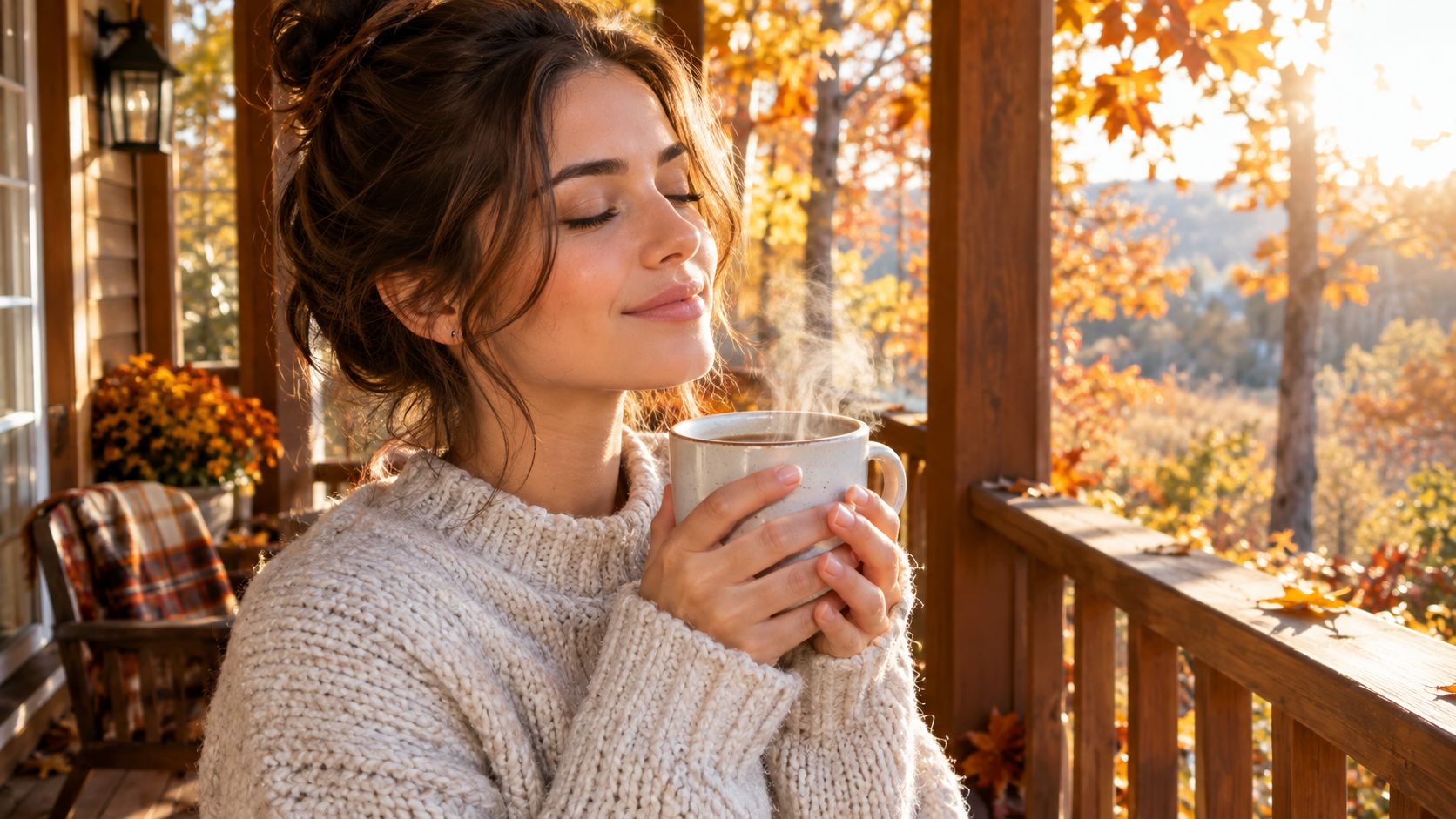
Autumn also carries a contrast that makes it emotionally distinctive. It can feel abundant, with harvest foods, colorful trees, and familiar gatherings, while the fading light reminds us that the year is moving toward winter. Some people find that reflective mood comforting. Others experience seasonal sadness, disrupted sleep, or a stronger need for structure.
A useful way to approach the season is to notice what your existing routines need rather than trying to reinvent your life. A warmer breakfast, a daylight walk, a layer by the front door, or a few quiet minutes in the shower may do more than an ambitious seasonal makeover.
Before choosing traditions or wellness habits, it helps to define the season precisely. Fall isn't a fixed calendar month everywhere, and its official starting point depends on the system being used.
How Astronomers and Calendars Define Fall
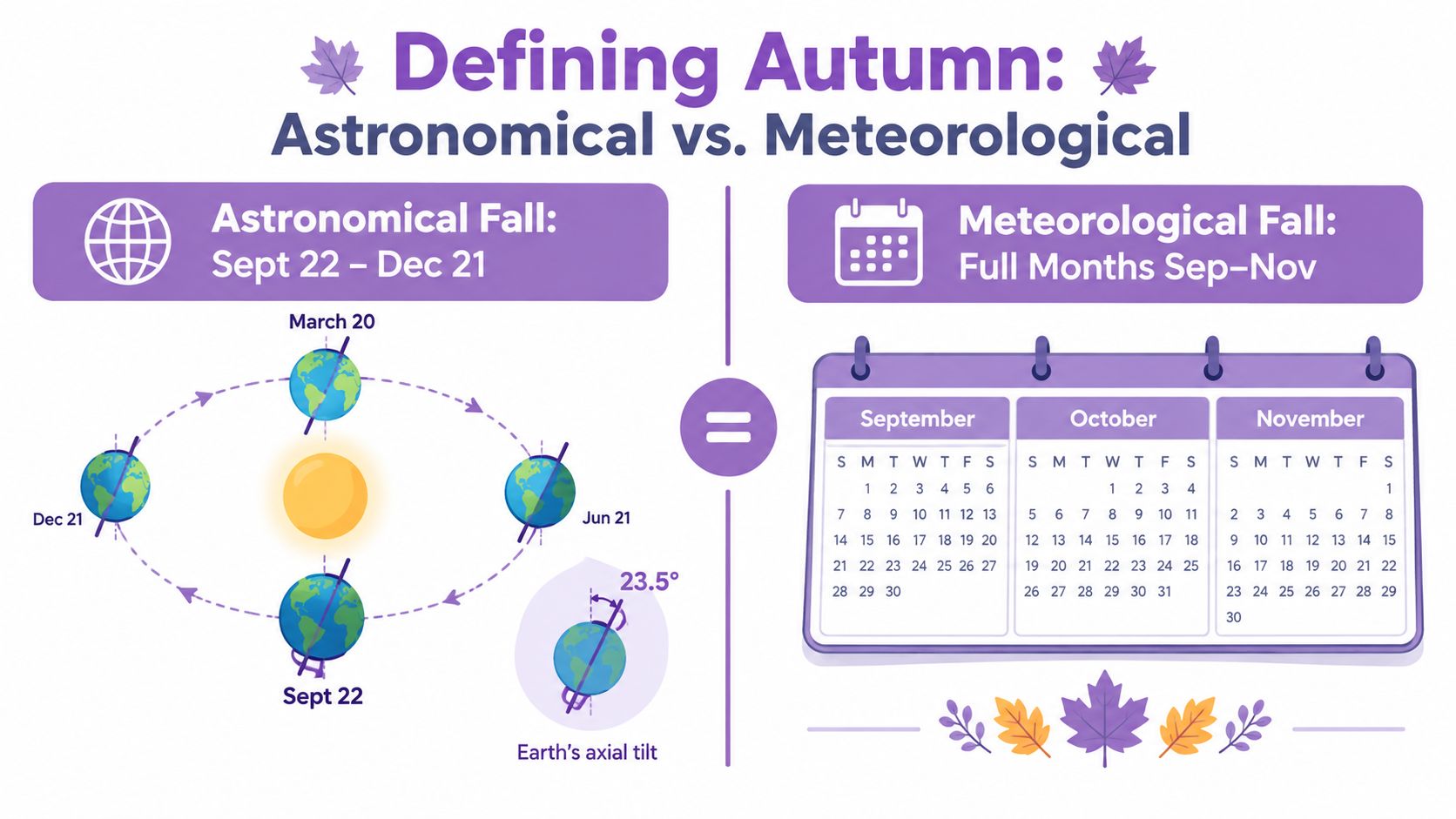
Think of the two main definitions as two different measuring tools. Astronomical fall follows Earth's position in relation to the Sun. Meteorological fall divides the calendar into practical three-month blocks so weather records and seasonal planning are easier to compare.
Astronomical autumn begins at the autumnal equinox, the moment when the Sun crosses the celestial equator and day and night are nearly equal. In the Northern Hemisphere, this usually occurs on September 22 or 23, although the date can fall between September 21 and 24. In 2026, the Northern Hemisphere equinox is listed for September 22 at 8:04 p.m. EDT, while the Southern Hemisphere's autumnal equinox is listed for March 20, according to PBS NewsHour's explanation of the autumnal equinox.
Astronomical fall continues until the winter solstice, which typically falls on December 21 or 22 in the Northern Hemisphere. The Southern Hemisphere reverses the seasonal order, so its autumn generally runs from the March equinox toward the June solstice.
A simple way to remember it: astronomical fall follows the sky, while meteorological fall follows a tidy calendar.
Meteorological fall runs from September 1 through November 30. Climate professionals, farmers, and planners often use this framework because full calendar months make it easier to compare temperature patterns, frost timing, growing-degree days, and seasonal demand. The Farmers' Almanac overview of meteorological fall explains why this practical definition matters for planning.
| Definition | Northern Hemisphere starting point | What it follows |
|---|---|---|
| Astronomical fall | September equinox, usually September 22 or 23 | Earth and Sun positions |
| Meteorological fall | September 1 | Complete calendar months |
The two systems aren't competing answers. If you're planning around an equinox event or teaching the seasons through astronomy, use the astronomical definition. If you're organizing planting, clothing, retail, or weather records, meteorological fall may be more useful.
That's why a crisp morning can feel like fall before the equinox arrives. Your local temperature and daylight are changing on their own schedule, while the astronomical boundary is determined by a precise solar event.
The Weather, Light, and Nature of Autumn
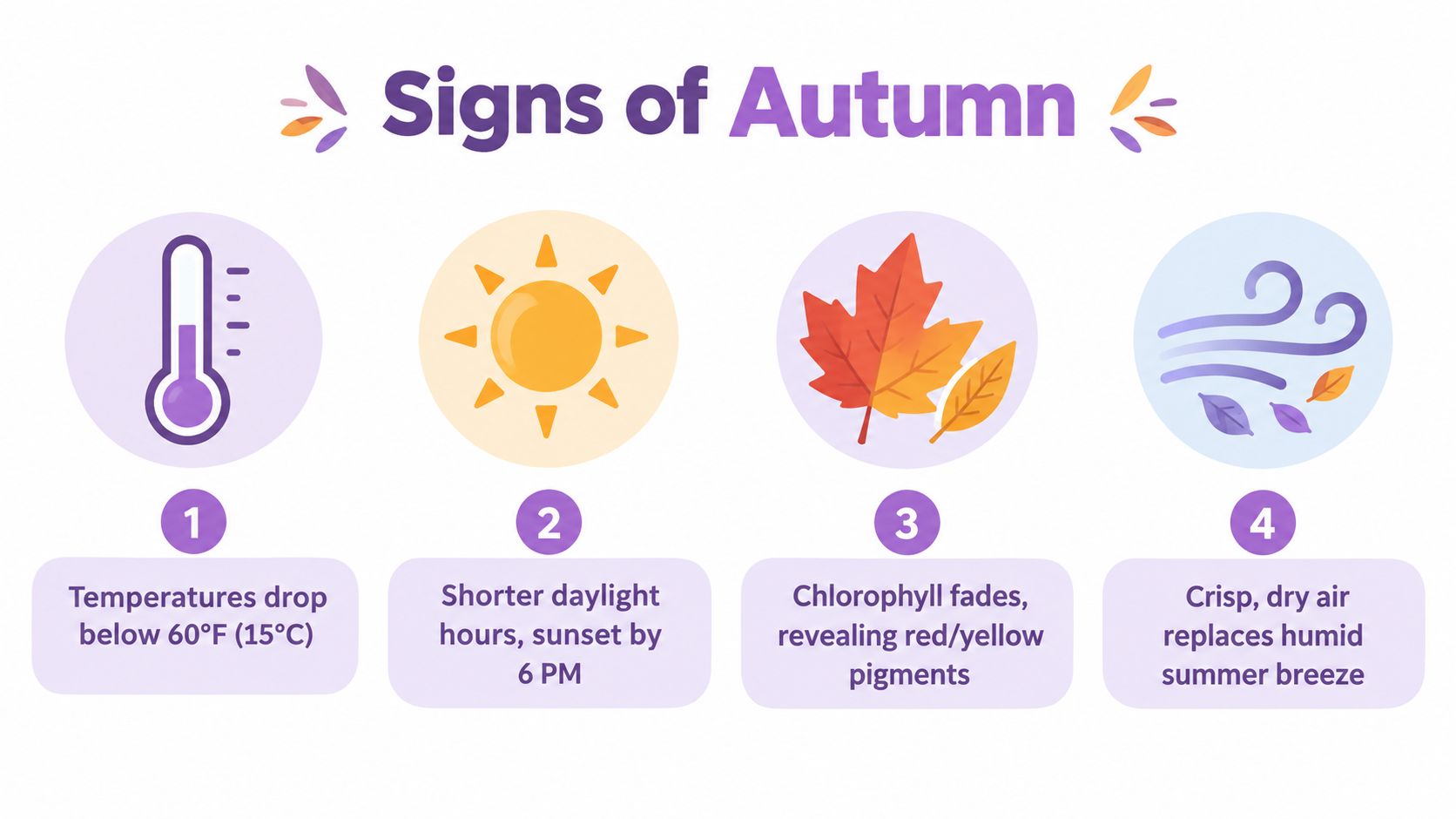
Autumn is easiest to understand as a collection of signals rather than one dramatic weather event. Temperatures begin to moderate, the air often loses its summer heaviness, and wind patterns can make mornings feel cooler even when the afternoon remains mild. In many places, the first frost becomes a practical marker because it changes what can survive outdoors.
Daylight shifts gradually but noticeably. Sunsets arrive earlier, which can affect commuting, exercise, meals, and sleep cues. You may feel ready for dinner or rest while the clock still seems early, especially if your body has associated darkness with winding down.
Plants show the transition through chemistry. As trees prepare for winter, chlorophyll breaks down, and the green color fades. Other pigments become visible, including yellow and orange carotenoids and, in some leaves, red anthocyanins. The result is the familiar range of gold, rust, scarlet, and brown.
Nature's seasonal checklist
Look for these signs in your own area:
- Cooling air: Morning walks need an extra layer, even when midday remains comfortable.
- Changing leaves: Green fades as trees prepare for the dormant part of the year.
- Ripening food: Apples, squash, pears, and other seasonal produce become more prominent in gardens and markets.
- Moving wildlife: Some birds migrate, while other animals gather food or prepare shelter for colder conditions.
- Garden preparation: Gardeners may plant bulbs, mums, or garlic as they shift their attention toward the next growing cycle.
The experience varies by region. Continental climates may move quickly from warm afternoons to frost, while coastal areas often stay milder and windier. Subtropical regions may notice changing light and humidity before they see colorful foliage. Your autumn is local, so you don't need a postcard photo to recognize the season.
Those environmental changes also influence how people arrange their days. Earlier sunsets invite indoor rituals, cooler air makes warm showers more appealing, and seasonal foods turn everyday meals into markers of time. For a practical look at how autumn can shape shower rituals and sensory routines, explore this guide to autumn falls.
If cooler weather brings stuffiness, a shower can become a simple transition point. The Cleverfy Eucalyptus and Menthol Megapack of 18 Shower Steamers contains menthol and eucalyptus scented tablets designed to release aroma in the shower. It's listed as vegan and cruelty-free, and the catalog describes the tablets as made with pure essential oils.
Holidays and Traditions That Shape Fall
The autumn fall season feels familiar partly because its rituals return every year. The weather may vary, but people recognize the sequence: harvest gatherings, school and work transitions, costume events, remembrance traditions, family meals, and the gradual movement toward winter celebrations.
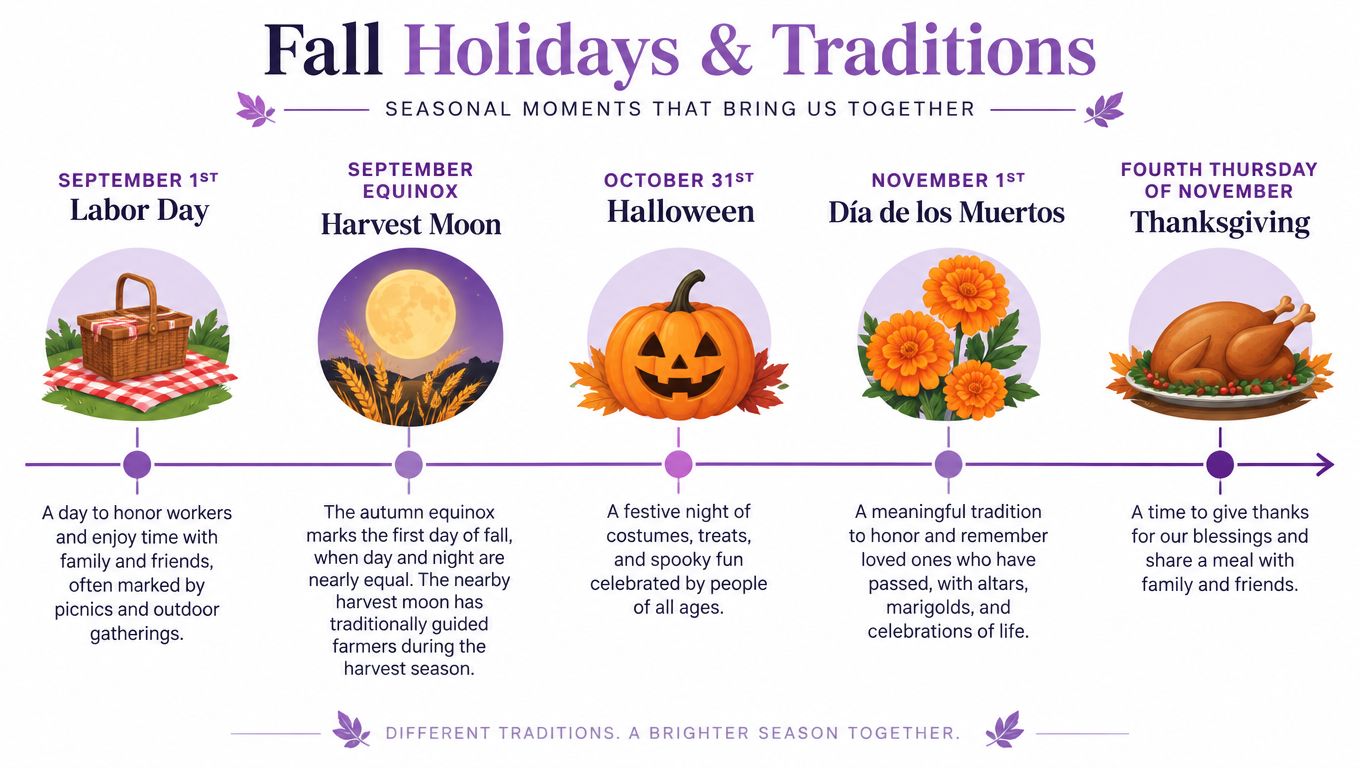
Early fall often begins with local harvest festivals, outdoor meals, and Labor Day weekend gatherings in the United States. These events turn seasonal produce and shared time into a form of gratitude. The equinox adds another natural reference point, connecting the cultural calendar with the changing balance of light and darkness.
Halloween brings play, creativity, and a little theatrical fear. Costumes, carved pumpkins, neighborhood walks, and sweet treats give families and communities a reason to step outside after dark. Día de los Muertos, observed around the same part of the calendar, centers remembrance, family connection, altars, flowers, and symbolic foods. It isn't just another version of Halloween. Its traditions create space to honor people who have died while keeping memory present in family life.
Diwali may fall during the autumn period in many years and regions. Lamps, shared sweets, gatherings, and the theme of light overcoming darkness add a different emotional texture to the season. The timing and practices vary, so it's better to learn from the families and communities observing it than to reduce it to a generic fall decoration.
A season with many cultural maps
International readers may recognize other autumn anchors:
- Oktoberfest: Communal food, music, and seasonal celebration.
- Mid-Autumn Moon Festival: Moon viewing, family gatherings, and traditional foods.
- Guy Fawkes Night: Outdoor fires and community events in parts of the United Kingdom.
- Thanksgiving: A family-centered meal and gratitude ritual, with customs differing by country and household.
Traditions don't need to be elaborate to create continuity. A weekly soup, a walk to see changing leaves, a shared recipe, or a candle lit at dinner can become a seasonal signal. If you decorate with living plants or pumpkins, practical advice about container pumpkin care basics can help you keep the display healthy for longer.
Fall feels emotionally layered because these rituals accumulate. One week may emphasize harvest and abundance, another memory and play, and another quiet meals with family. The result isn't one universal “cozy” mood. It's a collection of practices that different people adapt to their own beliefs, climate, and schedule.
Seasonal Activities, Fashion, and Home Shifts
Cooler air makes ordinary activities feel newly appealing. A short nature walk can replace a demanding outdoor workout, and an earlier sunset can turn a porch or window seat into a natural place to slow down. Choose activities that match the light you have rather than forcing a summer schedule into a different season.
Try a leaf-peeping drive, an orchard visit, or a pumpkin-picking afternoon. Hiking in a forest, attending a tailgate, or reading near a window can also make the season tangible. If your area stays warm, focus on the sensory cues available to you, such as evening breezes, seasonal food, or the changing quality of light.
Build outfits in layers
Fall clothing works best when each layer has a job. Start with a breathable base, add a flannel shirt, cardigan, knit dress, or light sweater, then finish with a scarf or transitional coat when needed. Trench coats and denim jackets can bridge the gap between late-summer warmth and colder winter conditions.
A practical palette might include rust, mustard, olive, burgundy, and warm neutrals. You don't need a completely new wardrobe. Rotating a few textures and accessories can make familiar clothes feel appropriate for the season.
For readers organizing clothes, festivals, or travel, this guide to getting ready for fall offers a broader planning perspective.
Make the home feel season-ready
Small changes usually work better than a full redecorating project:
- Rotate textiles: Bring out throw blankets and swap lightweight linen cushions for velvet or boucle textures.
- Adjust scent placement: Put a candle or diffuser where you already pause, such as beside a reading chair or near the entryway.
- Restock the pantry: Keep soup ingredients, roasted vegetables, apples, squash, cinnamon, and other warm spices within easy reach.
- Create a landing spot: Place jackets, scarves, and umbrellas near the door so changing weather doesn't disrupt the morning.
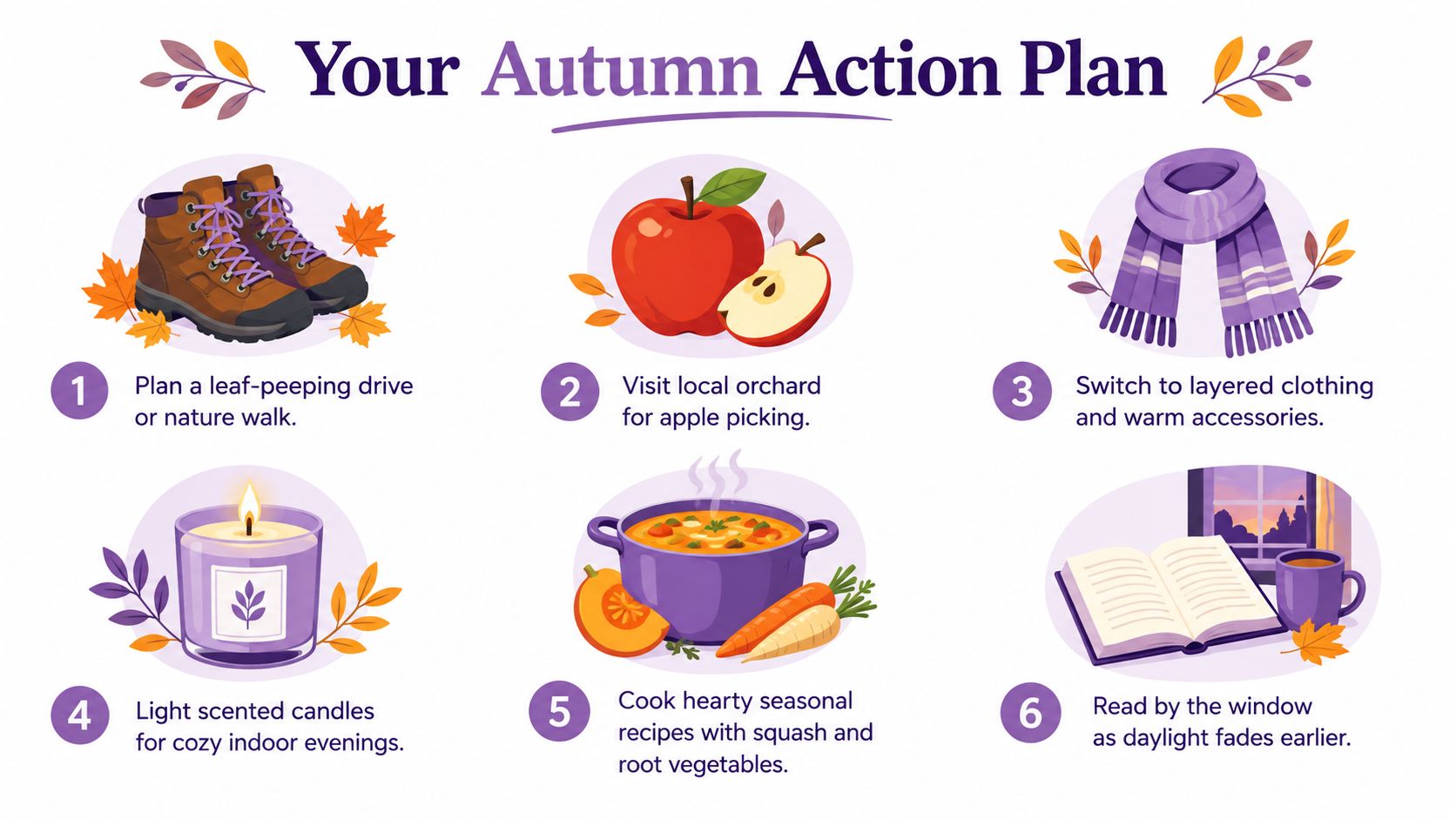
These adjustments are useful because they lower friction. You aren't adding a demanding seasonal project. You're making the things you already do, getting dressed, eating dinner, relaxing, and leaving home, fit the conditions around you.
Health and Self-Care Through the Transition
Autumn can affect the body through several overlapping changes. Ragweed-driven weed pollen is a major technical driver of fall allergy season in North America. Clinical and public-health sources report that weed pollen often peaks in late summer and autumn, with ragweed commonly peaking in September and continuing through October or until the first hard frost. Warmer autumns and later frosts can keep plants producing pollen for longer, as described in Climate Central's coverage of fall allergy season.
Mold from damp leaves can add another trigger, especially during yard work or walks through wet ground. If you have persistent or severe symptoms, speak with a qualified healthcare professional rather than treating aromatherapy or a home routine as medical care.
Shorter daylight can also change sleep timing, energy, and mood. A predictable rhythm often helps more than trying to force motivation. Get outdoor light early when possible, take a midday walk, and keep wake and sleep times reasonably consistent.
Use small anchors instead of a total reset
A useful fall routine might include:
- Morning light: Spend a little time outdoors soon after waking, even if the walk is brief.
- Hydration cues: Keep water beside your desk or connect drinking with regular meals.
- Food preparation: Favor warming cooked foods and ingredients such as garlic, ginger, and broth when they suit your diet.
- Gentle movement: Use stretching, yoga, or an easy walk to reduce stiffness after cooler nights.
- Vitamin D awareness: Ask a healthcare professional whether your diet, location, or health history warrants attention to vitamin D.
Practical rule: Build one reliable cue around waking, one around midday, and one around bedtime.
Self-care works best here as a system of modest choices. A warm meal won't solve every seasonal difficulty, and a single walk won't transform your mood, but repeated anchors can make the transition easier to manage. For more ideas that connect emotional wellness with simple daily actions, see these self-care rituals for emotional wellness.
Shower Aromatherapy and Cleverfy Routines for Fall
A shower already exists in most daily routines, which makes it a useful place for a seasonal ritual. Instead of adding a bath, a long meditation session, or another appointment, you can pair a shower steamer with a routine you already follow.
Choose the scent according to the moment:
- For a slow morning: Citrus and mint can create a bright, fresh atmosphere when you're trying to feel more alert.
- For a congested-feeling afternoon: Eucalyptus and tea tree provide a clear, herbal profile that suits a steamy reset.
- For evening unwinding: Lavender and cedar offer a softer, woodsy direction for a calmer end to the day.
Place the steamer on the shower floor where it receives splashes but isn't directly under the strongest stream. Turn on the water, allow the room to become steamy, and breathe normally for 60 to 90 seconds if that feels comfortable. Stop if the aroma irritates you, and follow the product's instructions.
Match the ritual to the transition
A morning steamer can mark the move from sleep to work. An afternoon shower can separate outdoor exposure, errands, or household tasks from the rest of the day. An evening shower can signal that screens, work messages, and unfinished chores no longer need your immediate attention.
Steam helps aromatic oils disperse quickly in the shower environment, which can suit people who don't have time to set up a diffuser. It also keeps the ritual contained. You use the scent during the shower rather than trying to maintain an all-day atmosphere.
For skin-focused seasonal ideas to pair with a shower routine, explore Skin Perfection's autumn alchemy recipes. To learn placement, water exposure, and basic technique, follow this guide on how to use shower steamers.
The most effective routine is the one you'll repeat. Start with one moment, such as the first shower after a chilly morning walk, and let the scent become a quiet seasonal cue rather than another obligation.
Building Your Own Autumn Rhythm
Autumn rewards gradual change. Trees don't switch from green to bare in one instant, and your routine doesn't need to jump from summer spontaneity to a highly managed wellness schedule. A few recurring cues can give the season shape without making every day feel planned.
Try anchoring your week around three simple moments. On Monday, make a closet swap by moving a few fall layers, scarves, and transitional shoes within easy reach. This reduces morning decisions and helps you respond to changing temperatures without searching through storage.
On Wednesday, take a 20-minute outdoor walk around midday if your schedule allows. The purpose isn't athletic performance. It's a chance to get daylight, notice local changes, and interrupt a long stretch indoors. If weather or mobility makes that difficult, sit near natural light or choose another accessible form of movement.
On Sunday, use a shower reset to prepare for the week. Place a suitable steamer on the shower floor, let the water create aromatic steam, and spend a quiet moment breathing normally. Pair the shower with laying out clothes, preparing a warming breakfast ingredient, or writing down the week's essential tasks.
Let the rhythm stay flexible
Your anchors should support your life, not judge it. A coastal autumn may call for lighter layers, while a colder continental climate may require earlier frost preparation. A family with young children may use a short evening routine, while a shift worker may place the same cues after waking at a different hour.
The same flexibility applies to mood. If you experience severe seasonal affective symptoms, significant sleep disruption, or persistent low mood, pair lifestyle changes with professional care. A routine can support treatment, but it shouldn't replace appropriate medical guidance.
The autumn fall season becomes easier to live with when you treat it as a transition rather than a single mood. Notice the light, adjust the layers, choose food that feels grounding, and use the shower as a practical place to reset.
Cleverfy Beauty offers aromatherapy shower steamer tablets and gift-ready assortments designed to add essential-oil scent to an existing shower routine. Visit Cleverfy Beauty to explore options for fall mornings, afternoon resets, and evening wind-downs.

