

10 Cozy Home Ideas for a More Relaxing Space
A room can look clean and still feel a little cold, especially when the lighting is harsh, the surfaces are bare, and nothing in the space invites you to slow down. That's usually the gap people notice when they search for cozy home ideas. They don't need a full remodel, they need a better mix of warmth, texture, scent, layout, and repeatable rituals that make a home feel lived in instead of staged.
The strongest comfort upgrades usually work on two levels at once. They change what you see, like lighting, textiles, or room zoning, and they change what you feel, like the warmth of water, the scent in the air, or the small routine that tells your brain the day is shifting. That matters because home comfort isn't just decoration, it's also a real spending category, with Americans spending an average of $1,598 per year on home decor and $5,635 on home renovation and remodeling projects in a 2024 report from The Home Décor Report. It also lines up with the idea of home comfort as relaxation, wellbeing, and control, not just style, as described in this 2019 study.
The list below keeps that practical. It focuses on easy changes, small-budget upgrades, and shower-based aromatherapy rituals that work in apartments, shared homes, and houses alike.
Table of Contents
- 1. Aromatherapy Shower Rituals
- 2. Scent-Based Mood Mapping and Daily Scheduling
- 3. Bathroom Sanctuary Design
- 4. Essential Oil Education and Scent Literacy
- 5. Stress-Relief Ritual Design
- 6. Gift-Giving as Connection and Wellness Sharing
- 7. Sensory Deprivation Recovery and Digital Detox
- 8. Seasonal and Holiday Aromatherapy Rotation
- 9. Wellness Accessibility and Inclusive Self-Care
- 10. Sleep Hygiene and Evening Wind-Down Protocols
- 10 Cozy Home Wellness Ideas Comparison
- Build Your Own Cozy Routine
1. Aromatherapy Shower Rituals
A shower can be basic maintenance or a daily reset. The difference usually comes down to whether you treat it as a rushed task or a short ritual with a clear sensory cue. Shower steamers make that easier because they fit into the routine you already have, which is why they work so well for homes that don't have a bathtub or for people who just prefer showers.
If you want a simple starting point, place a steamer on the shower floor away from direct spray so it dissolves more slowly, then keep the rest of the shower quiet and phone-free. Morning showers usually work best with brighter scents, while evening wind-downs call for calmer profiles closer to bedtime. Rotating scents through the week also helps prevent nose fatigue, so the ritual still feels noticeable instead of blending into the background.
Practical rule: The ritual should feel easy enough to repeat, because the repeatability is what makes it comforting.
A practical example is a lavender steamer after a long day, paired with a few minutes of uninterrupted standing under warm water. A morning version can be more energizing, especially if you keep the scent steady during your workweek and let the shower signal “start” before email and chores take over. The Ultimate Guide to Shower Steamers is a useful reference if you want more detail on how the format works in practice.
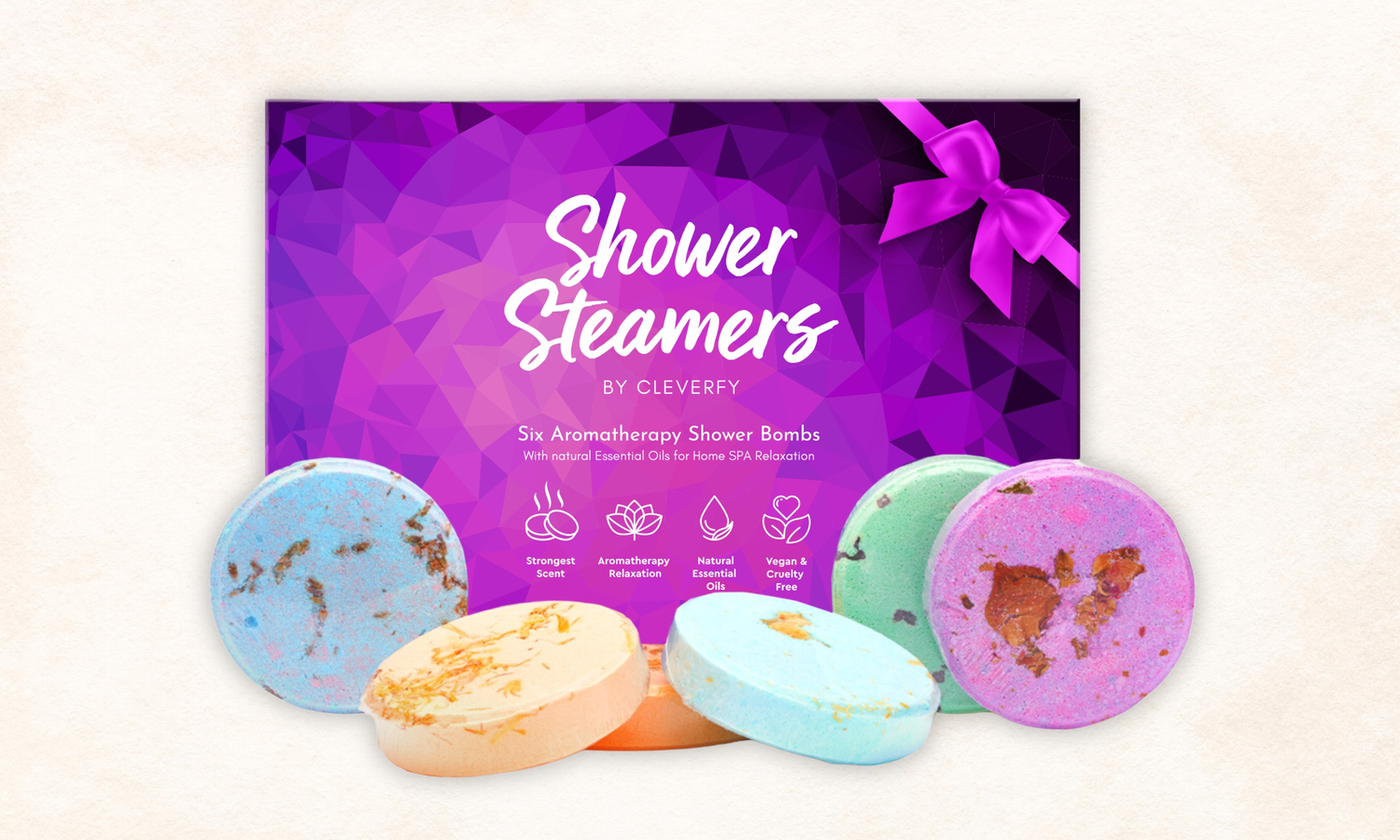
For a ready-made option that matches that use case, Cleverfy Energy Boost Megapack of 18 Shower Steamers is built for morning showers and includes ginger and orange, grapefruit, and cocoa and orange scents in an 18-tablet format. Store tablets in a dry, ventilated container so they keep their potency longer, and don't leave the ritual half-done with a phone in your hand.
2. Scent-Based Mood Mapping and Daily Scheduling
Not every scent belongs in every part of the day. That sounds obvious, but people often buy aromatherapy products and then use them randomly, which makes the experience feel inconsistent. A better approach is to map scents to the moments when you need them, then keep that mapping simple enough to remember.
Start with three anchors. One scent for morning energy, one for focus or midday recovery, and one for evening calm. That's enough to cover most routines without turning the bathroom into a cabinet of half-used bottles and forgotten sets. If your week has known pressure points, like a packed Monday, a late class day, or a chaotic commute, assign the scent before the stress hits instead of after.
Build a small scent schedule
- Morning: Use a brighter scent before work or school when you need to feel awake and mentally organized.
- Midday: Use a cleaner, more neutral scent when you're mentally tired but still have tasks left.
- Evening: Use a calmer scent when you want the house to feel quieter and less demanding.
The trade-off is consistency versus novelty. A stable scent can become a reliable cue, but too much repetition can make it fade into the background. That's why rotating by daypart or week works better than trying to create a new scent identity every shower. If multiple people share a home, it also helps to agree on a few “household scents” so the bathroom doesn't become a negotiation every morning.
The most useful habit is tracking your own response. A simple note in your phone or journal is enough to show which scents support focus, calm, or a cleaner sense of transition between tasks. That kind of personal pattern matters more than any generic promise about what a scent should do.
3. Bathroom Sanctuary Design
A cozy bathroom doesn't need to look expensive. It needs to feel edited. The fastest way to get there is to reduce visual noise, keep only the essentials on display, and give the room one or two tactile details that make it feel less clinical.
Warm lighting does a lot of work here. Swapping a cool bulb for a warmer one, or adding a dimmer where that's practical, changes the whole mood of the room. Soft towels, a bath mat with some texture, and a container for shower steamers that looks intentional all help the bathroom feel like part of the home instead of a purely functional utility space.

Keep countertops clear enough that the room feels calm at a glance, not crowded with products that all compete for attention.
A small bathroom benefits from restraint even more than a large one. One accent item is usually enough, whether that's a plant, a basket, or a decorative display of shower steamers grouped by scent family. Neutral palettes, like whites, creams, soft grays, and earth tones, help the room feel quieter, while natural textures like woven storage or wood-toned accessories make the space less slippery visually.
The trade-off is that too much decor can make a bathroom feel like a store display. A cozy bathroom should be easy to clean, easy to move through, and simple to reset at the close of the day. A Southwest Michigan bathroom remodel guide is useful if you're thinking about a more spa-like layout, but you can get most of the effect with a shelf, better lighting, and less clutter.
4. Essential Oil Education and Scent Literacy
People make better choices when they understand what they're smelling. That sounds straightforward, but it's one of the biggest gaps in cozy-home content. A lot of advice treats scent as decoration, when in reality scent is personal, specific, and tied to memory, mood, and preference.
A good place to start is by learning the basic character of the scents you already like. Lavender tends to read as soft and evening-friendly to many people, eucalyptus often feels cleaner and sharper, and citrus usually lands brighter and more active. But the important part is your response, not a generic label. Some people find herbal scents comforting, while others find them too sharp for quiet spaces.
The Cleverfy blog on how essential oils work in aromatherapy is useful if you want a practical overview before you build a routine around a specific scent family. It's also worth sampling themed sets rather than assuming one label fits every household member. A scent that feels fresh to one person can feel intrusive to another.
Best approach: Treat scent like lighting. Test it, adjust it, and use it where it actually helps the room feel better.
A scent journal sounds fussy, but it can be very simple. Write down what you used, when you used it, and whether the room felt more restful, more awake, or just different. That gives you a better read on your own scent literacy than any broad claim about what should work.
5. Stress-Relief Ritual Design
Cozy rooms matter more when they support a repeatable routine. A room that looks warm but doesn't help you settle down is only doing half the job. That's why a stress-relief ritual should be built from a few steps you can keep, not a perfect spa script that only works on weekends.
A strong version starts before the shower ends. Use one scent consistently for a few weeks, pair it with a simple breathing pattern, then follow it with the same post-shower steps each time, like a robe, a warm drink, or a few screen-free minutes. That sequence teaches your body what comes next, which is often more useful than chasing a different mood every night.
A simple evening sequence
- Start with one cue: Choose the same calming scent for your highest-stress days.
- Slow the pace: Breathe deliberately while the steam builds.
- Close the loop: Get dressed in something soft and avoid jumping straight back into notifications.
The trade-off here is that rituals only work if they stay realistic. If a 20-minute routine makes you skip it on busy nights, shorten it. A 5-minute version you repeat is better than an ideal version you abandon. The same logic applies to midday stress resets, which can be short enough to fit between tasks without making you feel like you've disappeared from your own day.
A useful habit is to keep the ritual tied to a clear time, not just a feeling. That way the cue becomes predictable, which makes the space itself feel more restful over time.
6. Gift-Giving as Connection and Wellness Sharing
A cozy home often starts with what people bring into it, and wellness gifts are easiest when they're practical instead of overdesigned. Shower steamer sets work well here because they're tied to an existing habit, which makes them easier to use than a gift that needs a whole new routine.
The best gift choice depends on the recipient's actual life. If they prefer showers over baths, a shower steamer makes more sense than a bath product. If they're under stress, a calmer scent family is a better fit than something energizing. If you don't know their scent preferences well, a set with variety is usually safer than a single-note choice.
A thoughtful note matters too. A few lines explaining why you picked that set can turn a practical item into something more personal. For a friend dealing with a hard stretch at work, a lavender-forward gift can feel supportive without being too sentimental. For a parent, partner, or teen, a shower-based wellness gift can fit into a busy week without adding more tasks.

If you want a straightforward gift that also has enough volume for ongoing use, the 18-pack format can make sense as a refill-style present or a shared household item. That works especially well when you're gifting comfort, not just a single-use surprise. The trade-off is that you should avoid assuming everyone wants the same scent intensity, so keep the note practical and the choice flexible.
7. Sensory Deprivation Recovery and Digital Detox
A cozy home should give your nervous system something to rest against. For a lot of people, that means reducing input, not adding more. The shower can become the cleanest part of the day because it narrows the experience down to warmth, water, and scent.
That narrow focus matters after hours of screens, noise, and constant interruption. Instead of trying to turn the whole evening into a relaxation project, use the shower as the anchor point where the phone stays outside the room and the sensory load drops fast. The change doesn't have to be dramatic to be useful. A single quiet ritual can be enough to mark the shift from external demands to private time.
Make the shower a low-stimulation reset
- Leave the phone out: Put it in another room if you need to.
- Keep the focus narrow: Pay attention to the scent, steam, and water temperature.
- Don't multitask: Let the shower be the only task for those few minutes.
The trade-off is that digital detox advice gets annoying when it sounds unrealistic. Nobody needs another perfect routine. The point is to create one place in the day where you aren't reacting to every ping and alert. That's especially helpful after work, after caregiving, or after a long stretch of video calls.
If you want the ritual to feel more complete, build a tiny transition afterward, like changing into comfortable clothes before you check your phone again. That keeps the reset from disappearing the moment the water shuts off.
8. Seasonal and Holiday Aromatherapy Rotation
Seasonal coziness works best when it feels like a natural shift instead of a décor overhaul. People often think of seasonal decorating as pillows, throws, and tabletop accents, but scent can do just as much to mark the change in atmosphere. A warmer, grounding profile can make late autumn feel different from spring without forcing you to redecorate the whole house.
The practical version is simple. Pick a few scent families that fit your climate and your actual schedule, then rotate them as the seasons change. If winter tends to make your home feel closed in, a brighter scent can help the bathroom feel less stale. If summer already feels overstimulating, something cleaner and calmer may be more useful than a loud festive fragrance.
A rotation calendar doesn't need to be elaborate. It can be a note in your phone that reminds you when to swap scents, gifts, or display items. That helps the bathroom, bedroom, or entryway feel coordinated with the rest of the house, especially if you also change textiles or lighting by season.
Seasonal coziness works best when the transition is gentle, not theatrical.
Holiday gifting fits into this rhythm too. A shower steamer set can work as a winter gift, a New Year reset, or a small household refill before a busy season. The trade-off is that not every region experiences the same seasonal mood, so adjust to your climate rather than following a generic calendar. A warm, dry winter and a damp, gray winter do not call for the same sensory response.
9. Wellness Accessibility and Inclusive Self-Care
The most useful cozy-home upgrades are the ones people can keep doing. That means comfort needs to fit different schedules, budgets, homes, and bodies, not just the ideal version of self-care that shows up in glossy photos. Shower-based aromatherapy is practical because it works for busy people, bath-free households, and anyone who wants a shorter route to a calmer routine.
Accessibility also includes language. A lot of wellness marketing talks as if everyone has the same amount of time, money, privacy, and physical ease. Real homes are messier than that. People are caring for kids, working shifts, dealing with pain, or sharing space with others, and a good cozy routine should respect that.
If a routine is too complicated, it stops being inclusive. A shower steamer, a soft towel, and a few quiet minutes can be a more realistic reset than an elaborate evening plan that asks too much of the day. That's especially true for people who can't use a bath, who live in small apartments, or who need something simple enough to repeat during a stressful week.
The trade-off is obvious. A simpler ritual can feel less luxurious, but it's often more sustainable. A cozy home should make people feel welcome, not underqualified because they don't have time for a perfect setup.
10. Sleep Hygiene and Evening Wind-Down Protocols
Evening coziness works best when it supports sleep instead of fighting it. That means the room should feel quieter, warmer, and less demanding as bedtime approaches. A shower can be one of the most effective transition tools because it naturally separates the active part of the day from the part where you want your body to settle.
A calming scent before bed can become a strong cue when it's used consistently. Keep the timing steady, then follow the shower with low-stimulation habits like reading, stretching, or journaling. If a scent feels too bright at night, move it earlier in the day and choose a softer one for evenings. Personal response matters more than any one-size-fits-all wellness rule.
The Cleverfy evening routine guide is a practical starting point if you want to shape a repeatable night routine around the shower itself. For some households, that routine might include one shower steamer, dimmer light, and no screens for the last stretch of the evening. For others, it might just be a warm shower followed by a calm, uncluttered bathroom and a consistent bedtime.

A better bedtime routine usually starts before bed, not after you're already wired.
The trade-off is that not every scent belongs at night, and not every person reacts the same way to the same fragrance. If something feels stimulating instead of settling, switch it out. Cozy should support sleep, not make bedtime another decision to manage.
10 Cozy Home Wellness Ideas Comparison
| Practice | 🔄 Implementation Complexity | ⚡ Resource & Time Requirements | 📊 Expected Outcomes | 💡 Ideal Use Cases | ⭐ Key Advantages |
|---|---|---|---|---|---|
| Aromatherapy Shower Rituals | Low, simple habit change; remember steamer placement | Minimal cost; 5–15 min per use; shower steamers only | Short, repeatable relaxation and mood lift | Busy mornings/evenings; renters without tubs; daily micro-wellness | Cost-effective, highly accessible; consistent touchpoints ⭐⭐⭐⭐ |
| Scent-Based Mood Mapping & Daily Scheduling | Medium, requires planning and experimentation | Moderate: multiple scents, tracking; upfront time to map | Improved mood transitions, intentional energy management | Workdays, students, people managing energy/mood cycles | Structured personalization; reduces ad-hoc choices ⭐⭐⭐⭐ |
| Bathroom Sanctuary Design | Medium, physical changes and upkeep required | Moderate cost for lighting, decor; initial setup time | Increased relaxation duration and perceived ritual value | Homeowners seeking lasting wellness space; long-term practice | High aesthetic impact; encourages longer mindful routines ⭐⭐⭐⭐ |
| Essential Oil Education & Scent Literacy | Medium–High, learning curve and research needed | Time investment; sampling recommended; low monetary cost | Better purchases, personalization, reduced mismatches | Frequent buyers, gift curators, scent-sensitive users | Empowers informed choices and long-term satisfaction ⭐⭐⭐⭐ |
| Stress-Relief Ritual Design | Medium, combines techniques; requires consistency | Minimal cost; daily commitment (2–4 weeks to condition) | Reliable stress reduction via multimodal conditioning | High-stress periods, therapy adjunct, daily coping routines | Evidence-aligned, synergistic effects when practiced consistently ⭐⭐⭐⭐⭐ |
| Gift-Giving as Connection & Wellness Sharing | Low, pick prepackaged sets; some recipient knowledge helpful | Low–moderate cost (6–18 pack); ready-to-gift packaging | Social connection and repeated wellness experiences for recipient | Holidays, encouragement gifts, milestone occasions | Easy to gift, multiple uses, clear value proposition ⭐⭐⭐⭐ |
| Sensory Deprivation Recovery & Digital Detox | Low–Medium, needs discipline to enforce phone-free rule | Minimal cost; 5–20 min phone-free window | Rapid reset from overstimulation; improved focus and sleep | Heavy digital users, parents, remote workers needing quick resets | Efficient nervous-system reset; integrates into existing hygiene ⭐⭐⭐⭐ |
| Seasonal & Holiday Aromatherapy Rotation | Medium, inventory and calendar planning required | Moderate cost to maintain multiple seasonal sets | Prevents scent fatigue; creates seasonal psychological markers | Seasonal ritualizers, marketers, customers who enjoy novelty | Encourages repeat purchase and fresh associations ⭐⭐⭐ |
| Wellness Accessibility & Inclusive Self-Care | Low, product format supports accessibility; marketing effort needed | Low cost per use; offers multiple price points and short durations | Broader, equitable access to aromatherapy benefits | People with mobility limits, caregivers, budget-conscious users | Democratizes self-care; supports diverse needs and markets ⭐⭐⭐⭐ |
| Sleep Hygiene & Evening Wind-Down Protocols | Medium, timing and routine adherence required | Minimal cost; schedule shower 60–90 min before bed | Improved sleep onset and quality for many users | Insomnia adjuncts, shift workers, anxious sleepers | Evidence-linked, non-pharmacological sleep support ⭐⭐⭐⭐ |
Build Your Own Cozy Routine
The easiest way to make a home feel warmer is to stop trying to fix everything at once. Pick one environmental change, like warmer lighting or softer textiles. Add one sensory layer, like a carefully placed shower steamer if that fits your routine. Then choose one repeatable ritual that tells your body the space has shifted, such as an evening shower, a phone-free reset, or a short wind-down before bed.
If you're starting from scratch, begin with the room you use most often. A bedroom can benefit from softer bedding and lower light. A bathroom can become the fastest comfort win because scent, steam, and warmth work together without much effort. Seasonal review helps too, because what feels cozy in winter may feel heavy in summer, and what helps a cramped apartment feel calm may not suit a larger room.
Keep product guidance and personal scent sensitivities in mind as you go. Some people want brighter morning scents, some want a calmer evening cue, and some prefer no scent at all in certain spaces. The point isn't to follow a perfect aesthetic, it's to build a home that feels easy to enter, easy to use, and easy to rest in.
If you want a practical place to start, Cleverfy Beauty focuses on shower steamer tablets, gift-ready scent sets, and routine-friendly formats that fit into daily showers. Their products connect naturally to cozy-home habits because they turn a normal bathroom routine into a small sensory ritual. Visit Cleverfy Beauty to explore options that can support your own comfort routine, then build around the ones that fit your home and your pace.

