

8 Daily Relaxation Tips for Every Part of Your Day
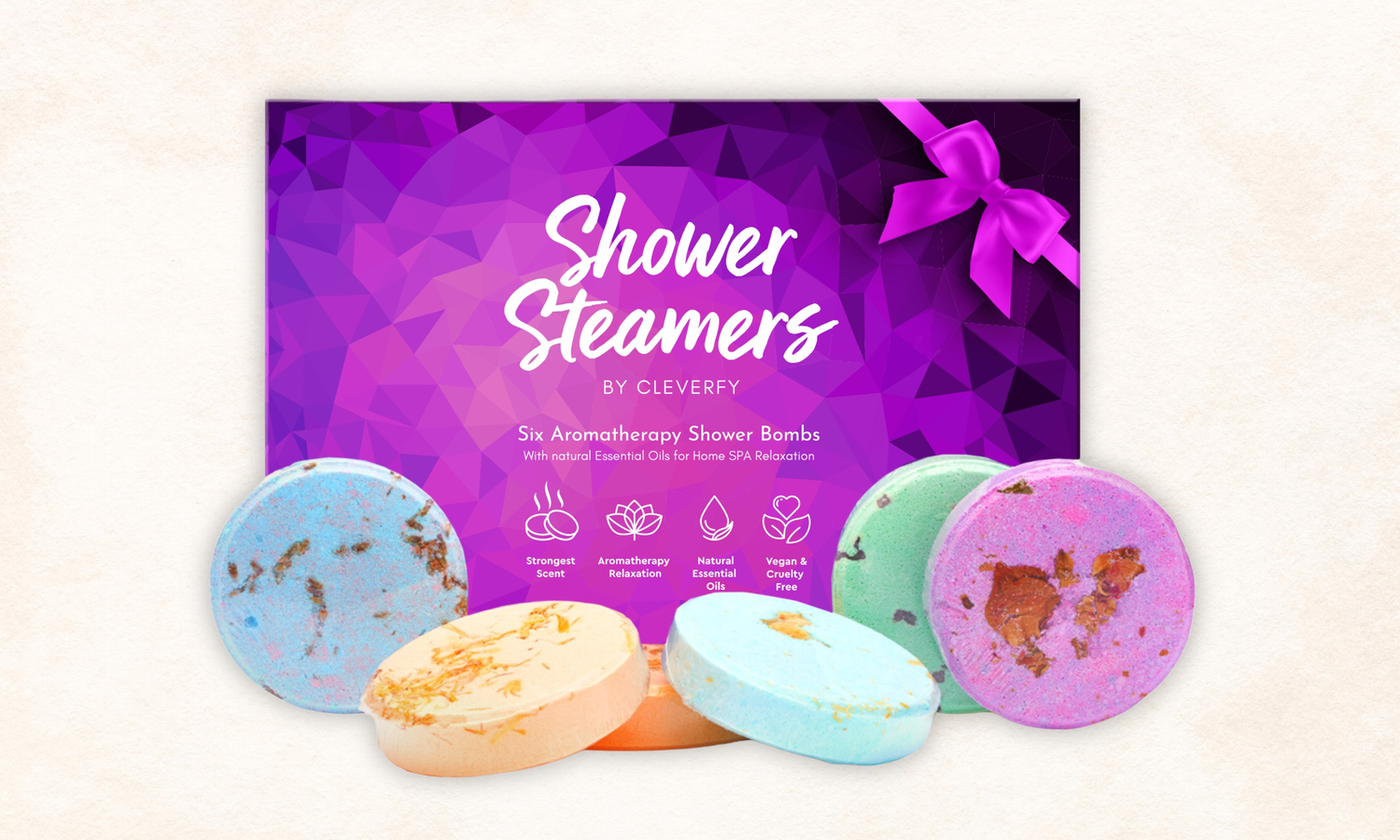
You don't need a perfect wellness routine to feel calmer. You need a few daily relaxation tips that fit the day you already live, the one with a rushed morning, a tense work stretch, a shower you can't skip, and a bedtime that arrives before your brain is ready to shut off. That's why the best habits attach to real transitions, like a shower, lunch break, device shutdown, or the last ten minutes before sleep. Cleverfy Beauty shower steamers can fit into some of those moments as a simple sensory cue, even if you don't have a bathtub.
Consistency beats intensity. A small routine you'll actually repeat is more useful than a big ritual you abandon by Thursday.
Busy adults are clearly looking for practical ways to decompress. A 2024 American Academy of Sleep Medicine survey found that 74% of U.S. adults sometimes, always, or often experience disrupted sleep because of stress, and 68% lose sleep because of anxiety, based on 2,006 adults surveyed from May 16 to 24, 2024, with a 95% confidence interval (American Academy of Sleep Medicine survey). That makes short, repeatable relaxation habits feel less like a luxury and more like basic maintenance. If you're wondering where to start, use the situations below as your menu.
Table of Contents
- 1. Aromatherapy Shower Rituals
- 2. Deep Breathing and Mindfulness Techniques
- 3. Guided Meditation and Body Scan Practices
- 4. Progressive Muscle Relaxation
- 5. Journaling and Expressive Writing
- 6. Herbal Tea and Warm Beverage Rituals
- 7. Digital Detox and Mindful Technology Boundaries
- 8. Gentle Yoga and Stretching Practices
- Daily Relaxation: 8-Point Comparison
- Turn the Best Tip Into a Repeatable Ritual
1. Aromatherapy Shower Rituals
A shower is already a built-in transition, so it is a practical place to add calm without creating another chore. Aromatherapy shower steamers turn an ordinary rinse into a short sensory reset, and they work even if you do not have a bathtub. If you want a simple setup guide, Cleverfy's own how to use shower steamers explains the basic routine clearly.
Use scent for the situation you are in. Lavender or chamomile fits an evening wind-down, eucalyptus or peppermint suits a morning reset, and rose can add a lift when your mood feels flat. Cleverfy's Breathe Easy 18-tablets of Shower Bombs for Congestion includes menthol and eucalyptus, is described as easy to use, and is presented as a vegan and cruelty-free option with a money-back guarantee and free shipping on qualifying orders.
Make the shower do more than clean you
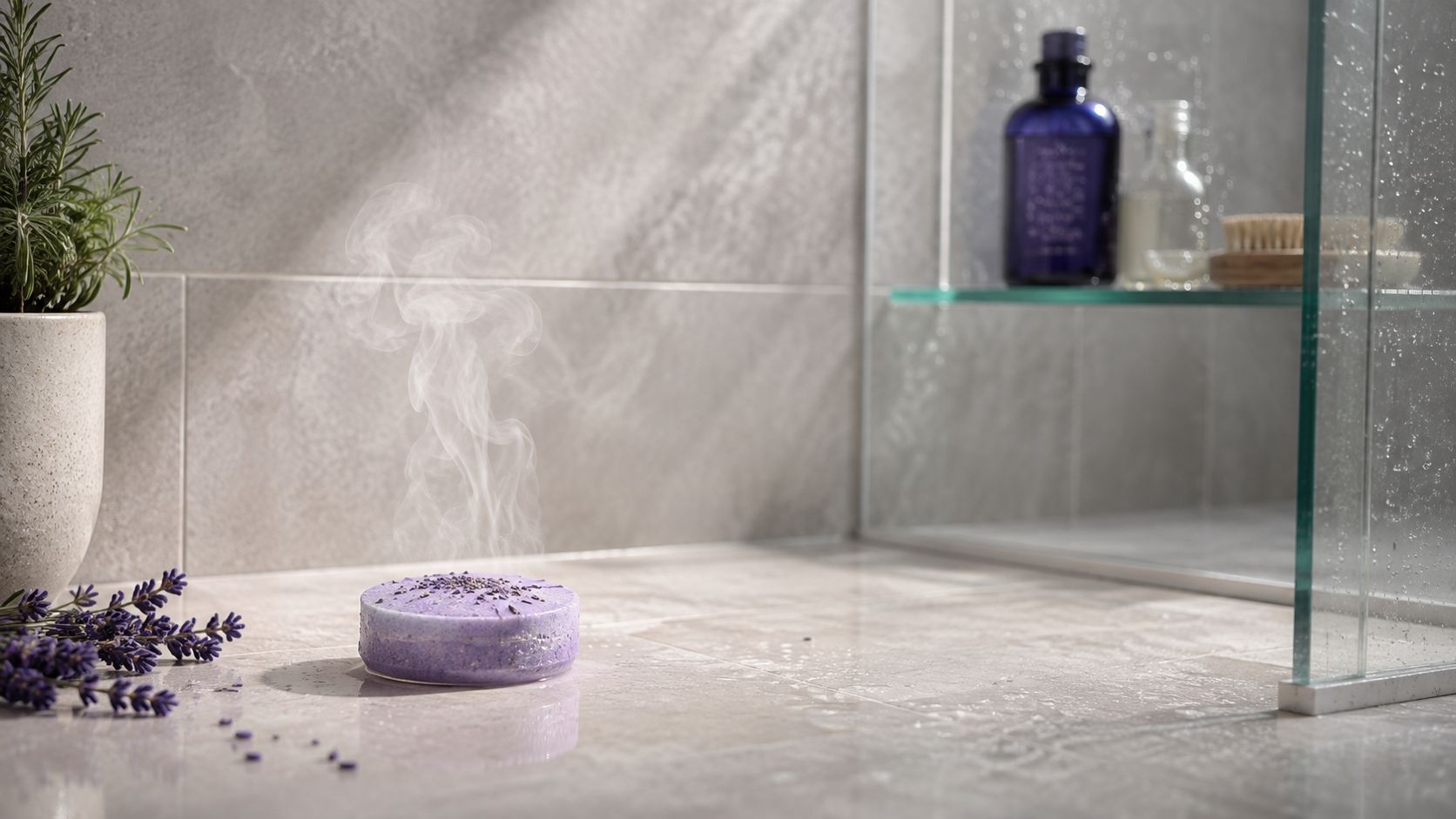
Place the tablet on the shower floor away from direct spray so it releases gradually instead of vanishing too fast. Pair the steam with slow nasal breathing, then let the scent signal that the day is changing.
This kind of routine also works well when you want a supplement-based reset, especially if you are comparing the best supplement for relaxation with a non-ingestible option. A shower steamer gives you a fast sensory cue without adding another pill to remember.
A good rule is to match the scent to the job, not to chase the strongest smell. Morning calls for clarity, evening calls for softness, and a quick pre-event rinse can use something bright and clean rather than sedating. If you use pure oils, Hemp Well Ireland oil safety is worth checking so the ritual stays comfortable and appropriate for your space.
2. Deep Breathing and Mindfulness Techniques
Deep breathing is one of the most practical daily relaxation tips because it works without equipment, privacy, or a long block of time. It fits into real moments, like a tense meeting, a crowded commute, or the minutes before you send a difficult email. Mayo Clinic notes that focused breathing can be as simple as taking a few deep breaths and being present, and that even brief mindfulness moments can help people reset during the day (Mayo Clinic mindfulness exercises).
Choose the pattern that matches the moment. Use 4-7-8 breathing before a presentation if you need a calmer start. Use box breathing during a stressful commute when you want something steady and easy to remember. If you have just stepped out of a shower with steamers, notice the scent on the inhale and exhale, then let that single focus settle your attention.
Keep it short enough to repeat
Start with 2 to 3 minutes. That is usually enough to feel a shift without turning the practice into another task you have to manage. A simple pattern works well, inhale through the nose for a count of 4, exhale through the mouth for a count of 6, and repeat without forcing the breath.
Breath work works best when it feels plain and repeatable. The goal is interrupting the stress loop with something you can do quietly in a meeting room or on a commute.
Scent can make the habit easier to remember. Cleverfy's Mindful Moments: Cultivating Calm with Daily Rituals supports that idea well, because a shower steamer can serve as a physical cue to slow your pace. If your day feels loud from the moment you wake up, use breathing as the bridge between motion and calm. It works best as a quick reset you can return to, not as a separate wellness performance.
3. Guided Meditation and Body Scan Practices
Guided meditation helps when your mind won't stay put long enough for silent practice. Instead of asking yourself to “be calm,” you follow a voice that tells you where to place attention, which is easier on days when you're already overloaded. That structure matters because the National Center for Complementary and Integrative Health says mindfulness can help with stress, anxiety, and sleep quality, and that even a few minutes can help people feel less overwhelmed (NCCIH meditation and mindfulness).
Use guided meditation where the day naturally opens a small pocket. A 10-minute body scan during lunch can help you notice tension before the afternoon turns it into a headache. Yoga Nidra in the evening can work as a sleep bridge when your thoughts are still active but your body is ready to shut down. A morning session can also be useful if you need to start with intention instead of reaction.
Let the structure do the work
Pick a single app or audio source and repeat it for a week. Insight Timer, Calm, or Ten Percent Happier can all provide structure, but the main point is consistency, not collecting options. If you prefer a body scan, move attention from the top of your head to your toes, or from your toes upward, and notice where you're gripping without trying to fix everything at once.
When you want to make the practice feel more grounded, combine it with a sensory cue. An evening body scan after a lavender or chamomile shower steamer can make it easier to settle because your body already has a calming association in place. Guided practice also fits busy schedules better than people expect, because you can do it seated, lying down, or even before sleep without special equipment.
4. Progressive Muscle Relaxation
Progressive muscle relaxation is a practical option for people who don't just feel stress in their thoughts, they feel it in their shoulders, jaw, back, or hands. The method is straightforward, tense one muscle group, release it, and notice the contrast. That contrast is useful because many people don't realize how much tension they're carrying until they feel it leave.
The best time to use PMR is often when you need a physical downshift, not a mental pep talk. Evening is a natural fit, especially if your body feels wired but tired. A seated version can also work during a work break, which is helpful on days when your posture has turned into stress without you noticing.
Make the sequence simple
Start at the feet and move upward, or do the reverse if that feels more natural. Hold each muscle group for about 5 seconds, then release and rest in the looseness for about 10 seconds. If you keep the same sequence every time, your body learns the pattern faster, and that familiarity makes the practice easier to return to on rough days.
Practical rule: Don't do PMR when you're rushing. If you only have two minutes and a deadline, use breathing instead.
PMR works especially well after a shower because your body is already warmer and less guarded. If you've used a calming steamer first, the scent can linger long enough to support the same wind-down mood while you relax your jaw, shoulders, and hands. That combination is simple, but it's often more usable than a long list of relaxation techniques that sound good and never make it into the day.
5. Journaling and Expressive Writing
Journaling helps when your mind is crowded, not because it erases stress, but because it gets the noise out of your head and onto the page. Writing turns vague unease into something you can look at, which makes it easier to sort out what needs attention. If you're already carrying a lot, writing can function like a release valve before the pressure spills into sleep or your next conversation.
Use journaling at the point in the day when you're most likely to overthink. Evening works well for reflection and emotional processing. Morning works well for intention-setting, especially if you want the day to feel less reactive. A short gratitude list can also help when you need a softer start.
Keep the page honest, not polished
Free-writing works best when you stop trying to make it sound meaningful. Use prompts if the blank page feels intimidating, such as, What stressed me today, and what can I let go of? or What do I need more of tomorrow? Handwriting often feels more reflective than typing because it slows you down just enough to notice what you're feeling.
The most useful journaling habit is usually the one that happens after another calming cue. A shower first, then a notebook, often works better than trying to write while your mind is still in work mode. Cleverfy's how to create an effective sleep routine fits this pattern well because it reinforces the idea of a sequential wind-down rather than a random stack of wellness tasks.
A few minutes is enough if you're consistent. Write long enough to name the feeling, the trigger, and the next small action. That's often all journaling needs to do.
6. Herbal Tea and Warm Beverage Rituals
A warm drink can settle the body faster than people expect, especially when it belongs to a calm routine instead of something you sip while checking messages. The warmth, aroma, and slow sipping together create a cue that tells your system the pace is changing. The ritual itself does most of the work.
Use tea to match the part of the day you want to soften. Chamomile, valerian root, and passionflower fit an evening routine. Peppermint can feel better during the day if your stomach is unsettled. Green tea suits calm focus when you want a gentle lift rather than a sharp one.
Build the ritual around the mug
Pick one mug and keep using it. That repetition gives the routine a physical anchor, which helps when the goal is to slow down instead of add another task. Sit down while you drink it, even for a few minutes, because standing over the sink does not send the same signal to your brain.
Pairing rituals can make the reset clearer. Shower first, then move to tea while the scent of steamers is still fresh in the room. Cleverfy's how to create an effective sleep routine fits that sequence because it supports a step-by-step wind-down rather than a random stack of wellness habits.
The trade-off is timing. Late caffeine can work against sleep, so green tea belongs earlier in the day if you are sensitive. Herbal blends are easier at night because they keep the ritual without adding stimulation. If bedtime is the primary pressure point, keep the drink warm, simple, and familiar.
7. Digital Detox and Mindful Technology Boundaries
A digital detox works best as a boundary, not a cleanse. If your phone is still in your hand at bedtime, your brain keeps waiting for the next alert. A cleaner off-ramp before sleep helps the day end instead of dragging it along.
The NPR report on bedtime wind-down routines notes that many students use social media and watch TV shows before sleep several days a week. That kind of habit explains why “just use your phone less” rarely changes much on its own. Screens are not the moral issue here. What matters is giving your nervous system a clean off-ramp before sleep.
Build a shutdown ritual you can follow
Set a device curfew and treat it as real. Put the phone outside the bedroom if you can, or charge it across the room so checking it takes effort. Then fill that gap with something concrete, like a shower steamer, a cup of tea, or a few minutes of journaling.
If screens are part of your workday, keep the boundary realistic. Check messages at a set time, finish the last task, then stop feeding your attention new material. A small ritual helps here because the brain responds to repetition faster than to willpower.
Cleverfy Beauty fits naturally into that handoff from work mode to rest mode. A shower steamer can mark the end of the day, while a quiet tea or writing routine keeps the wind-down going without more scrolling.
This is one of the most useful daily relaxation tips because it protects the rest of your routine. Breathing is easier when notifications are off. Journaling is clearer when you are not splitting attention. Sleep settles more easily when the last thing you did was step away from the screen.
8. Gentle Yoga and Stretching Practices
Gentle yoga works well on days when stillness makes tension feel louder. A restorative or beginner-friendly routine can loosen the body without turning into a workout, which matters if you want relief without adding another task to perform. The goal is practical: give tight areas a little room, then let the rest of the day feel less compressed.
Use it where it fits the day. A short morning flow can help you wake up with less stiffness. An afternoon stretch can reset you after long desk time or back-to-back calls. An evening sequence can help the body come down after a busy stretch of work.
Focus on breath, not flexibility
You do not need advanced poses to get the calming effect. Child's pose, seated forward folds, gentle spinal twists, and slow cat-cow movement are enough when you move with attention. Keep the exhale smooth and long, and let that pacing guide the session.
A beginner video can help if you want a simple structure. Yoga with Adriene or Alo Moves can give you a sequence without making you plan one from scratch. If you like pairing routines, a short stretch followed by a calming shower steamer can make the shift into rest feel more grounded, especially after a tense day.
Cleverfy Beauty fits naturally in that kind of reset, especially when you want a clear cue that the workday is over. Used this way, the product is part of the routine, not the main event.
Fifteen minutes of regular movement can be enough to settle your nervous system and ease built-up tension. A rare session that leaves you wiped out usually asks for more recovery than it gives back.
Daily Relaxation: 8-Point Comparison
| Practice | 🔄 Implementation complexity | ⚡ Resource requirements | ⭐ Expected outcomes | 📊 Ideal use cases | 💡 Key advantages & tips |
|---|---|---|---|---|---|
| Aromatherapy Shower Rituals | Low, quick, plug-and-play | Low, shower steamer or essential oils | ⭐⭐⭐, short-term mood lift and relaxation | Morning invigoration or evening wind-down in small bathrooms | Place steamer away from direct spray; choose scents by goal (lavender for sleep, eucalyptus for focus) |
| Deep Breathing & Mindfulness | Very low, easy to learn, practice-dependent | None, portable, any quiet moment | ⭐⭐⭐⭐, immediate stress reduction and improved focus | Acute stress, pre-meeting calm, anytime micro-breaks | Start 2–3 min daily; combine with scent to anchor attention |
| Guided Meditation & Body Scan | Low–Medium, needs guidance/audio | Low, app or audio, headphones recommended | ⭐⭐⭐⭐, improves sleep and anxiety with regular practice | Bedtime routines, structured practice for beginners | Start short (5–10 min); use quality guides and headphones |
| Progressive Muscle Relaxation (PMR) | Low, stepwise but straightforward | Low, quiet space, 10–20 minutes | ⭐⭐⭐⭐, rapid physical tension release, improves sleep | Pre-sleep routine, workplace reset, tension relief | Tense ~5s, release ~10s; practice 3–4× weekly for best results |
| Journaling & Expressive Writing | Low, habit formation required | Very low, pen/paper or digital device | ⭐⭐⭐, better emotional processing and sleep with consistency | Evening reflection, stress processing, goal-setting | Use prompts if stuck; handwrite for deeper processing |
| Herbal Tea & Warm Beverages | Very low, simple preparation | Low, tea, hot water, mug (3–5 min brew) | ⭐⭐, ritual-based calm; herbal effects vary by ingredient | Evening wind-down, midday reset, paired with other rituals | Choose blends by goal (chamomile for sleep, peppermint for digestion); mindful sipping maximizes benefit |
| Digital Detox & Tech Boundaries | Medium, behavioral change and discipline | Low, alarms, app timers, physical phone removal | ⭐⭐⭐⭐, improves sleep onset, reduces overstimulation | Evenings, meals, focused work periods, pre-bed routines | Set device curfew, remove phones from bedroom, replace screens with rituals |
| Gentle Yoga & Stretching | Medium, requires basic instruction/form | Low, mat optional, 15–45 minutes, videos/classes | ⭐⭐⭐⭐, reduces tension, boosts flexibility and sleep quality | Evening restorative sessions, morning energizing practice | Start with beginner videos; emphasize breath and restorative poses for relaxation |
Turn the Best Tip Into a Repeatable Ritual
You don't need all eight practices at once. Pick one morning reset, one midday reset, and one evening reset, then match each one to a cue you already have, like the shower, lunch break, device curfew, or bedtime. That keeps the habit attached to real life instead of turning it into another thing to remember. If a practice feels too awkward to repeat, it's probably too complicated for the moment you chose.
A simple way to start is to pair your habits with what's already happening. A shower steamer can anchor a morning rinse or an evening wind-down. A breathing exercise can fit into the pause before a meeting. A journal can live next to your bed so the page is there when the phone is out of reach. The point is not to optimize your personality, it's to make calm easier to reach when the day is noisy.
Track the practice by one question: Did this feel practical enough to repeat tomorrow? If the answer is no, shorten it. If the answer is yes, keep it. That's the test of daily relaxation tips, not whether they sound impressive on paper.
Cleverfy Beauty shower steamers can be one optional sensory anchor in that routine, especially if you prefer showers over baths and want a fast transition into calm. Use them exactly as directed, and stop if a scent causes sensitivity. Scent should support the routine, not fight with your skin or your comfort.
Try a seven-day experiment. Choose one two-minute practice for the day, like breathing or a brief body scan, and one longer wind-down ritual for the evening, like a shower steamer plus journaling or tea. Keep the plan simple for a full week, then adjust based on what you repeated, not what you hoped you'd do.
If you want a shower-based way to make relaxation feel easier to start, Cleverfy Beauty offers aromatherapy shower steamers in scent-focused sets for morning energy and evening wind-downs. Visit Cleverfy Beauty to see how a simple shower ritual can fit into your daily relaxation routine without adding another big task to your day.

