

DIY Self Care Package: Build a Spa Gift They Actually Use
You bought, or almost bought, a pretty basket for someone who says they're “burned out,” and now you're staring at a cart full of candles, chocolate, and a face mask that feels a little too random. That's the usual problem with a DIY self care package. It looks thoughtful, but it doesn't tell the recipient what to do with it.
The fix is simple: build the package around a specific moment or stress state, not a pile of generic pamper items. Winding down after work, resetting on Sunday, getting through a pre-exam panic, or easing into a slow morning all call for different contents. If you want a quick reminder of why the habit matters at all, the overview on the importance of self-care makes the case plainly.
Table of Contents
- Why Most DIY Self Care Packages End Up Unused
- Decide the Recipient, the Moment, and the Budget First
- The Core Item List Every Package Should Include
- Scent Pairing and Theme Ideas That Actually Fit
- Assembly and Packaging That Looks Intentional
- Personalization and Messaging That Make It Stick
- Budgeting, Sourcing, and Shipping the Package
Why Most DIY Self Care Packages End Up Unused
The classic mistake is stuffing a box with every soothing thing you can find, then hoping the recipient magically turns it into a routine. I've seen those packages on shelves, in closets, and under desks, still pristine months later. The problem isn't generosity, it's lack of use-cue.
A package becomes useful when it solves a moment. A pre-bed reset wants low light, a calming scent, and zero decisions. A midday stress rescue wants fast access, no mess, and items that can be used in ten minutes or less.
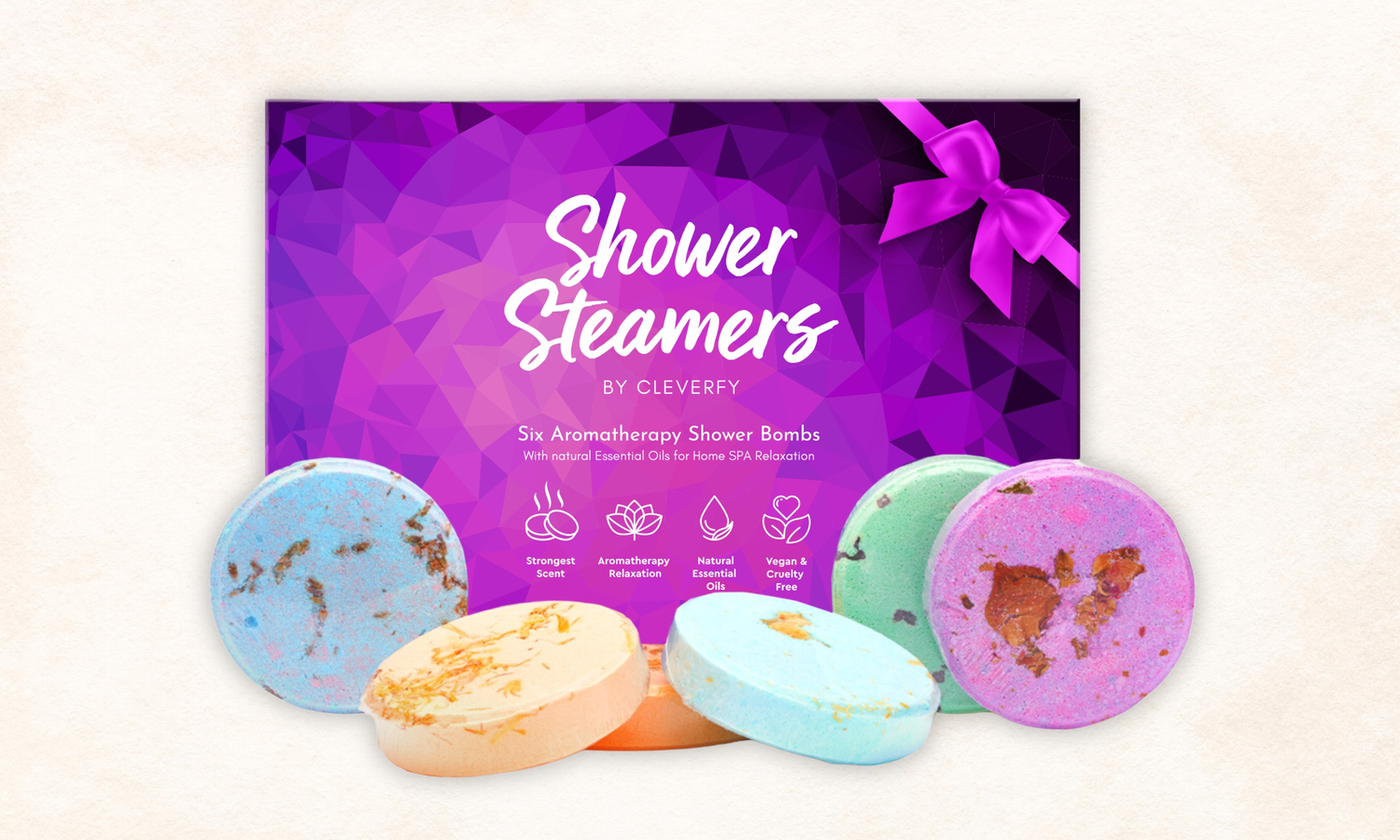
That's why themed sets usually outperform random assortments. A pre-themed option like the Cleverfy Purple Gift Set of 6 Shower Steamers already solves the “what is this for?” problem by giving the package a clear sensory direction. The right wrapper matters, but the value is focus.

Practical rule: if you can't name the exact moment the gift is meant for, the recipient probably won't use it.
Generic baskets also repeat things people already own. Another candle, another lotion, another notebook, and the whole thing gets lost in the same drawer as the rest of the “someday” self-care stuff. A better package is narrower and more intentional, with one clear job.
Use this filter before buying anything:
- Name the moment. Winding down, morning energizing, post-work decompression, or weekend reset.
- Pick one sensory anchor. Scent, sound, texture, or heat.
- Leave out filler. If it doesn't support the moment, it's clutter.
- Make it obvious how to use. A card or note matters more than extra product volume.
That's the shift. A DIY self care package is not a random bundle of wellness. It's a small, usable routine in a box.
Decide the Recipient, the Moment, and the Budget First
Start with the person, because the same package won't work the same way for everyone. A coworker thank-you needs to feel tidy and neutral. A partner gift can be more intimate and specific. A teen or college student usually needs something simpler, faster, and less fussy than a spa-style basket.
Then lock the moment. If it's a Sunday reset, you can include items that take a little longer to enjoy. If it's a pre-bed wind-down, keep the package quiet, soft, and low effort. That one decision drives scent, item size, and even the type of container you choose.
The budget comes next, not last. A smaller spend should lean on one strong centerpiece and a few supporting items, while a larger spend can cover more slots without feeling cramped. For a college care package, the ideas in Cleverfy's guide on the ultimate back-to-school care package ideas for college students are a useful model because the package has to be practical, not precious.
For the container, keep it simple:
- Rigid box: best for shipping and cleaner presentation.
- Kraft box: good when you want low-cost polish.
- Woven basket: works when hand-delivering and reusing matters.
- Reusable tote: strongest option for a student, commuter, or housemate gift.
If you want a shower-based centerpiece, the Cleverfy Purple Gift Set of 6 Shower Steamers fits a smaller, gift-first build because the six tablets give you enough variety without overfilling the box. That's the right scale for a thoughtful present that still feels edited.
For a larger self-use package, an eighteen-pack makes more sense because the whole point is repetition. One shower steamer is a treat. A stack that supports several uses is a habit.
Quick decision brief
| Decision | Good question to ask | Why it matters |
|---|---|---|
| Recipient | Who's actually opening it? | Tone and contents change fast. |
| Moment | When will they use it? | The use-case decides the item mix. |
| Budget | What spend feels right? | Prevents random overspending. |
| Container | Will it be shipped or hand-delivered? | Protects the items and the presentation. |
The Core Item List Every Package Should Include
Build the package by role, not by product type. That keeps you from buying three things that do the same job and forgetting the one thing that makes the routine feel complete.
Ambience, body care, sensory reset
Ambience should set the mood without making the package feel crowded. A small candle works, but a playlist QR code or a simple note with a favorite album can be better if the recipient doesn't want more stuff. If you're making your own candle, this guide on DIY candle making at home is handy because the container and scent choice matter as much as the wax.
Body care should stay basic. One lotion, one hand cream, one lip balm, or one face mask is enough. Don't pack a full skincare routine unless you know the person already likes that level of detail.
Sensory reset is the centerpiece. For a shower-based package, an aromatherapy shower steamer belongs here because it creates a fast ritual without needing a bath. That's also where a multi-scent set earns its place, since it gives the recipient a few mood options without adding extra clutter.
The centerpiece should be the thing the recipient reaches for first, not the thing they admire and forget.
Nourishment and comfort
Nourishment should be easy to consume during the moment, not just nice-looking. Tea, chocolate, or an electrolyte mix all work because they support the pause without demanding effort. Avoid anything delicate or messy unless the package is staying at home.
Comfort should feel physical. A pair of soft socks, an eye mask, or a tiny journal gives the package texture and presence. If you include a journal, keep it small. Oversized notebooks look serious, but they often stay blank.
If you want a concrete sample, use this structure for a $50 wind-down package:
| Slot | Item Example | Approx. Share |
|---|---|---|
| Ambience | Small candle or playlist card | Low |
| Body care | Hand cream or lip balm | Medium |
| Sensory reset | Shower steamer set | Largest share |
| Nourishment | Tea and a small sweet | Low |
| Comfort | Socks or eye mask | Medium |
For a shared-family version, the guide on how to create a spa-like experience at home for the whole family is useful because it shifts the thinking from solo pampering to repeatable household routines.
If you want one item to carry the theme, the six-pack is enough for a gift, while the eighteen-pack is the smarter pick for a longer self-use routine. That's where the package stops being decorative and starts being useful.
Scent Pairing and Theme Ideas That Actually Fit
Scent decides whether the package feels coherent or chaotic. A good smell tells the brain what kind of reset is coming, and a bad mix can make even nice products feel clumsy together. If you want the package to feel deliberate, scent has to lead.
Three themes that rarely miss
Relaxation belongs at night or after a long day. Lavender, vanilla, and eucalyptus sit in that lane because they read as soft, calm, and decompression-friendly. This is the easiest theme for a pre-bed package.
Focus works better when the person needs clarity, not comfort-first coziness. Peppermint and grapefruit fit that role well because they feel cleaner and sharper. Use this theme for study sessions, desk breaks, or a Sunday planning reset.
Morning boost should feel bright and fast. Orange, menthol, and citrus-mint style combinations are the right direction when you want energy without turning the package into a coffee substitute. That belongs in a weekday shower, not a sleepy nighttime basket.
How to combine scents without making a mess
Use an anchor + accent + surprise approach. Pick one main scent family, add one supporting scent that stays in the same mood, then include one unexpected note only if it still makes sense in steam. That keeps variety from becoming noise.
The best essential oil scents for every mood, energize, relax, focus, and sleep better is a useful reference point because the basic mood-to-scent logic is straightforward. You don't need a giant fragrance library. You need one clear direction.
Cleverfy's Purple Gift Set is a clean example of this logic in one box, because its mix of Lavender, Watermelon & Vanilla, Grapefruit & Coconut, Menthol & Eucalyptus, Orange, and Peppermint gives you several mood paths without forcing you to buy separate products. That makes it easier to build one package for multiple use cases, especially when you're gifting to someone who likes options.
Avoid putting heavy vanilla next to sharp peppermint in the same tiny space. In a steamy shower, that kind of pairing can feel disjointed instead of layered. Keep the package within one mood family, then let one scent lead.
Simple test: if the scents feel like they belong to three different rooms, they don't belong in one package.
Assembly and Packaging That Looks Intentional
The fastest way to make a DIY self care package look professional is to pack it like a display, not like a storage bin. Start with filler, because the filler holds everything else in place and keeps the package from looking sparse. Then put the tallest items at the back, slightly off-center, so the eye knows where to land.
Next, nest medium items in the middle and tuck smaller flat items toward the front. That ordering does two jobs at once. It prevents shifting, and it makes the box look fuller than it really is.
Here's the clean sequence I use every time:
- Lay the base. Crinkle paper or tissue gives you height and grip.
- Set the focal point. Place the tallest item at the back.
- Build the middle. Add lotions, teas, and anything boxy.
- Finish the front. Slip in small items like masks, socks, or cards.
- Close with detail. Ribbon, twine, or a tag, then stop.

If the box looks overpacked, remove one filler layer and let the tallest item breathe. If it looks half empty, don't add more product blindly. Add height at the back and one soft item in the front corners instead.
A few low-cost upgrades make a big difference:
- Kraft paper with twine: clean, natural, and hard to mess up.
- Reusable cloth wrap: good when you want the wrapping itself to be useful.
- Printed card tucked in the lid: adds intention without adding bulk.
The point is to make the recipient see order at a glance. When the package reads clearly from the outside, they're more likely to open it and use it.
Personalization and Messaging That Make It Stick
A pretty basket without instructions is just shelf decor. People get busy, then they postpone the “nice” thing until it becomes old. A short note that says when to use it, and how, fixes that.
The handwritten card should name the moment. “For your Sunday night reset” works better than “thinking of you,” because it gives the gift a job. That matters most for partners and parents, where the emotional layer is already strong.
The instruction card should be brutally simple if the package includes a shower steamer or another centerpiece item. Keep it to one line like, “Place on the shower floor away from the direct stream, then breathe deeply for the first five minutes.” Teeny instructions prevent hesitation.
A QR code to a playlist or guided meditation works best for close friends or self-use packages. It turns the package from a pile of objects into a complete ritual. A use-by note also helps, especially when the goal is to stop the recipient from “saving” the good stuff for later.
Use these three templates and tweak them:
- For a partner: “I made this for your slow night in. Use it when the day's too loud and you need a clean reset.”
- For a coworker: “A simple reset for a busy week. Open it tonight and keep the whole thing easy.”
- For yourself: “Use this on Friday after work. Don't save it, schedule it.”
That tiny layer of messaging does more than decoration. It gives the recipient permission to stop thinking about the gift as a thing and start using it like a routine.
Budgeting, Sourcing, and Shipping the Package
Spend where the ritual lives. That usually means the centerpiece item first, then the supporting pieces, then the wrapping. A smart $25 build should be tight and functional, a $50 build can feel balanced and giftable, and a $100 build should read like a fuller experience rather than just more items.
At the low end, keep it sparse and useful. Tea, a body care item, and one strong sensory anchor are enough. At the middle tier, add comfort and a better container. At the higher tier, you can layer in better packaging, a second body care item, or a larger centerpiece for repeat use.
Sourcing should be mixed on purpose:
- Centerpiece: use a pre-themed shower steamer set if you want the package to feel cohesive fast.
- Body care: drugstores usually cover lotion, lip balm, and hand cream without blowing the budget.
- Filler and wrap: dollar sections, tissue, twine, and simple tags do the job.
If you want to stretch a six-pack into a longer self-use routine, don't use all six tablets at once. Space them across several showers and tie them to specific days, like a worknight reset or a weekend unwind. That's how the package becomes a habit instead of a one-time treat.
Shipping needs more care than many assume. Use a sturdy box, not a soft bag, if there's any chance of crushing. Pad the bottom, keep fragile items centered, and add a label if anything can break or spill. Hand-delivery is easier for baskets with tall items, while shipping favors flat, compact builds.
For a package built around a shower steamer centerpiece, shipping is straightforward because the format stays compact and gift-ready. That's one reason people keep using shower-based kits instead of bath-heavy ones. They travel better, store better, and they fit the actual way people live.

Screenshot this checklist before you shop. Define the moment. Pick the anchor scent. Fill five slots. Write the card. Schedule one use in the first week. That's the whole job.
If you want a shower-based package that already gives you the hardest part, the scent theme, Cleverfy Beauty sells gift-ready shower steamer sets that fit this format well. Visit Cleverfy Beauty if you want to build a package around a clear routine instead of a random pile of spa extras.

