


Fall Autumn Season: Dates, Traditions & Wellness Rituals
Steam curls from a mug while your wool socks meet a cold bathroom tile. Outside, the air smells faintly of cedar, cinnamon, and damp leaves, and the morning feels quieter than it did a few weeks ago. That small shift is the heart of the fall autumn season, a time when astronomy, daylight, culture, clothing, and everyday rituals begin moving in the same direction.
This guide looks at fall through four connected lenses. First comes the autumnal equinox, the astronomical event that defines the seasonal transition. Next is light, and the way changing exposure can influence sleep timing, alertness, and energy. Then come traditions, from harvest gatherings to moon-viewing customs, followed by practical rituals for dressing, gifting, and using aromatherapy to make shorter days feel more grounded.
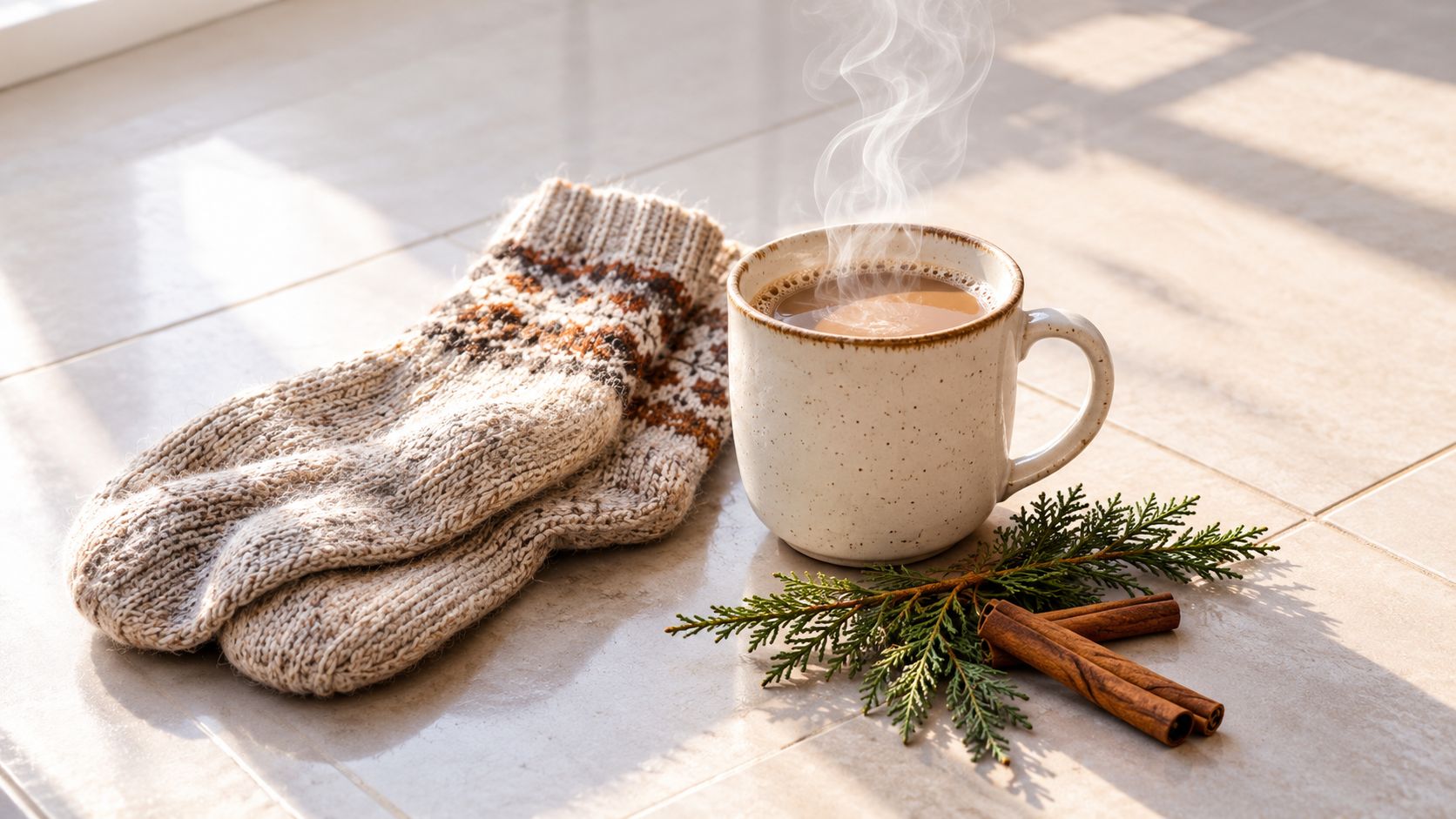
Table of Contents
- A Slower Breath and a Shorter Day
- What Makes Fall an Official Season
- How Autumn Light Reshapes Your Routine
- Traditions and Rituals Around the World
- Seasonal Activities for Every Kind of Fall
- Autumn Style and Gift Ideas That Actually Work
- Shower Steamer Routines for a Calmer Fall
- Your Intentional Fall Checklist
A Slower Breath and a Shorter Day
Fall often arrives first through the senses. A sweater becomes useful before a coat does. The shower feels more inviting when the room is cool. Dinner shifts toward roasted vegetables, soup, bread, and spices, while evening light becomes something you notice rather than background decoration.
The season also asks for a different kind of attention. Shorter days don't automatically require a complete lifestyle overhaul, but they do make small routines more visible. A morning walk, a warmer layer, or a deliberate evening scent can help mark the transition between summer's outdoor rhythm and autumn's more sheltered pace.
Four ways to read the season
The first lens is astronomy. The autumnal equinox is a precise moment in Earth's yearly path, not just the day a store begins displaying pumpkins. Understanding it clears up a common confusion about why the calendar date can vary by location.
The second lens is light and the body clock. Daylight is an important cue for circadian timing, so a change in when you receive light can affect how awake or sleepy you feel. Climate matters too. A crisp northern morning creates a different routine from a mild subtropical afternoon, even when both places call the season fall.
The third lens is tradition. Oktoberfest, Chuseok, moon-viewing, harvest meals, and remembrance customs give autumn emotional texture. They turn a change in temperature and light into something people share.
The fourth lens is practical. Clothing, gifts, and shower rituals can make the season easier to inhabit. Rather than buying novelty items that sit unused, choose sensory tools that fit a real morning or evening habit.
A useful seasonal rule: let the changing light set the pace, then use small, repeatable choices to make that pace feel intentional.
What Makes Fall an Official Season
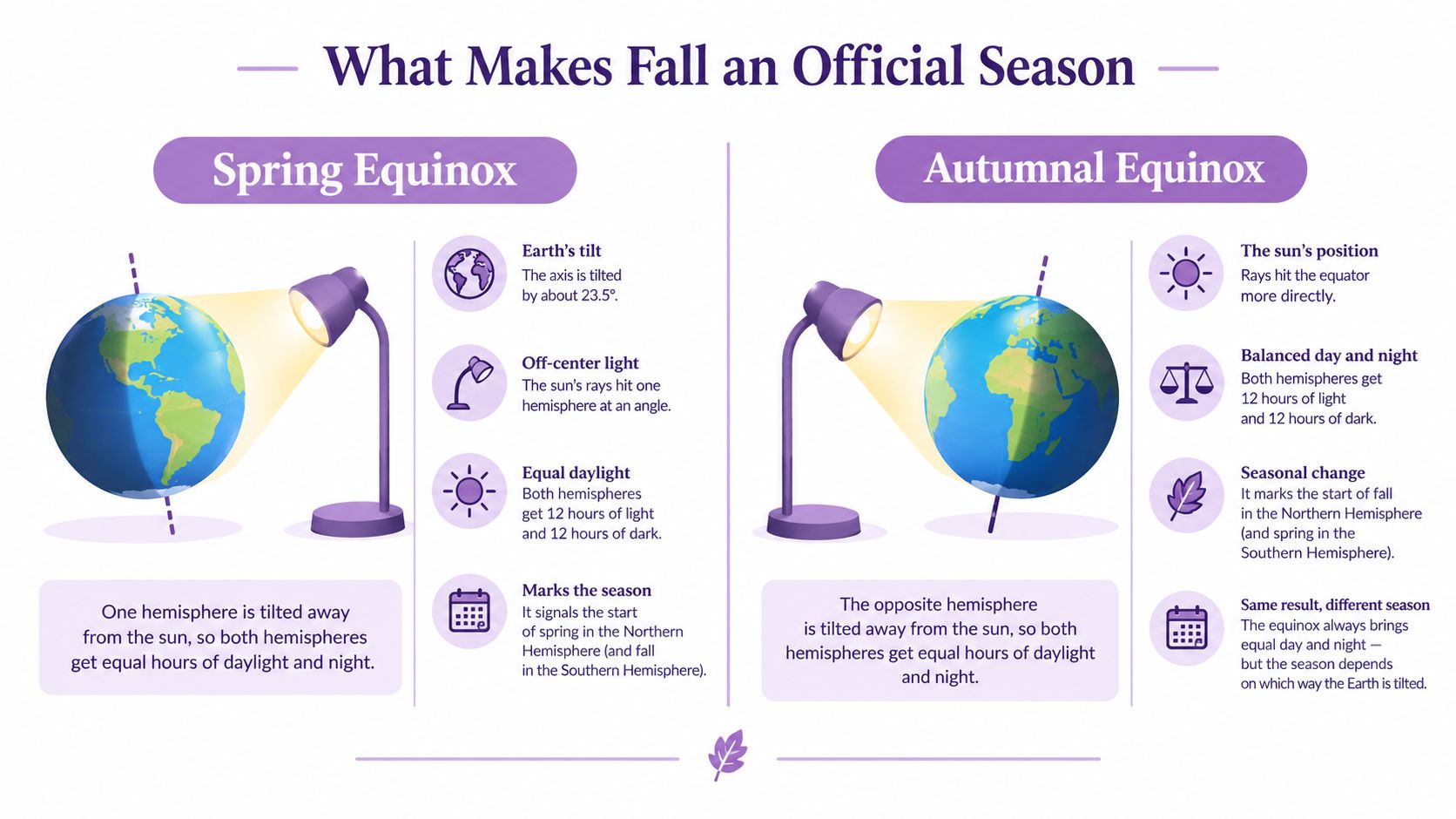
Think of Earth as a tilted lamp moving around a light source. The lamp's tilt means one hemisphere receives more direct light while the other receives less. As Earth travels through its orbit, that relationship changes. The tilt, not Earth's distance from the Sun, drives the seasons.
An astronomical equinox occurs when the Sun crosses the celestial equator. Around that moment, daylight and darkness are often described as roughly equal, although exact sunrise and sunset patterns vary with location and atmospheric conditions. Earth experiences two equinoxes each year, one around March 21 and another around September 22. The September event is the autumnal equinox in the Northern Hemisphere, while the March event serves that role in the Southern Hemisphere, as explained by PBS NewsHour's guide to the autumnal equinox.
Astronomical and meteorological fall
Astronomical fall begins with the equinox and follows Earth's position relative to the Sun. Meteorological fall uses a consistent calendar grouping, September through November, because fixed months make weather records and seasonal comparisons easier.
For the Northern Hemisphere, the 2026 autumnal equinox occurs on Tuesday, September 22 at 8:05 p.m. Eastern Time. The same moment occurs worldwide, but the calendar date can differ across time zones. In the Northern Hemisphere, the equinox can fall between September 21 and September 24, and September 22 is the most common first day of fall in the 21st century, according to The Old Farmer's Almanac. In the Southern Hemisphere, astronomical autumn arrives with the March equinox.
The science also offers a useful wellness clue. In an autumn field study from Sweden, participants received about 21% of their daily light exposure between 04:00 and 12:00 and 9% between 18:00 and 04:00, alongside seasonal changes in melatonin timing, as reported in this autumn light-exposure study. The finding doesn't mean every person will respond in exactly the same way. It does suggest that when daylight reaches you can matter as much as how much daylight exists.
How Autumn Light Reshapes Your Routine
A fall routine isn't shaped by temperature alone. Light arrives later, fades earlier, and changes the signals your body receives across the day. In temperate regions, a cool morning and earlier dusk can make the day feel compressed. In subtropical areas, the shift may feel less dramatic, but the timing of outdoor light can still influence daily habits.
Sleep research involving more than 500 university students in Seattle found that sleep timing is delayed during fall and winter, with daily daylight exposure serving as a strong predictor of that seasonal shift, according to research on seasonal sleep timing. The important detail is timing. Indoor routines can reduce morning exposure or place bright light later in the day, which may make seasonal adjustment harder for some people.
Build around the light you actually receive
Wake-ups may feel heavier when your morning is dark. Concentration can drift after lunch, and warm, filling foods may become more appealing as outdoor activity and daylight decrease. Those responses aren't character flaws. They're reasons to design a routine that meets the season instead of pretending the light hasn't changed.
Try these practical adjustments:
- Take a morning light break: A short outdoor walk soon after waking can place natural light at the beginning of your day. Keep it easy and consistent rather than treating it as a demanding workout.
- Dim the evening gradually: Lower screen brightness and soften indoor lighting as dusk arrives. This creates a clearer difference between active daytime and restful evening.
- Use visual warmth: Layer a textured throw, knitted cushion, or wool socks into your home. Tactile comfort can make darker rooms feel welcoming rather than dull.
- Protect the transition home: If commuting happens after sunset, prepare a calm landing routine before you leave work. A warm meal, low lighting, or a quiet shower can prevent the evening from feeling like an abrupt collapse.

A shower can become one of those light-independent anchors. The Cleverfy Eucalyptus and Menthol Megapack of 18 Shower Steamers contains menthol and eucalyptus-scented tablets designed to dissolve in the shower and release aromatic steam. Used as a sensory cue, an invigorating shower may help you distinguish a dark morning from the sleep that came before it, without pretending scent replaces daylight, sleep, or medical care.
Traditions and Rituals Around the World
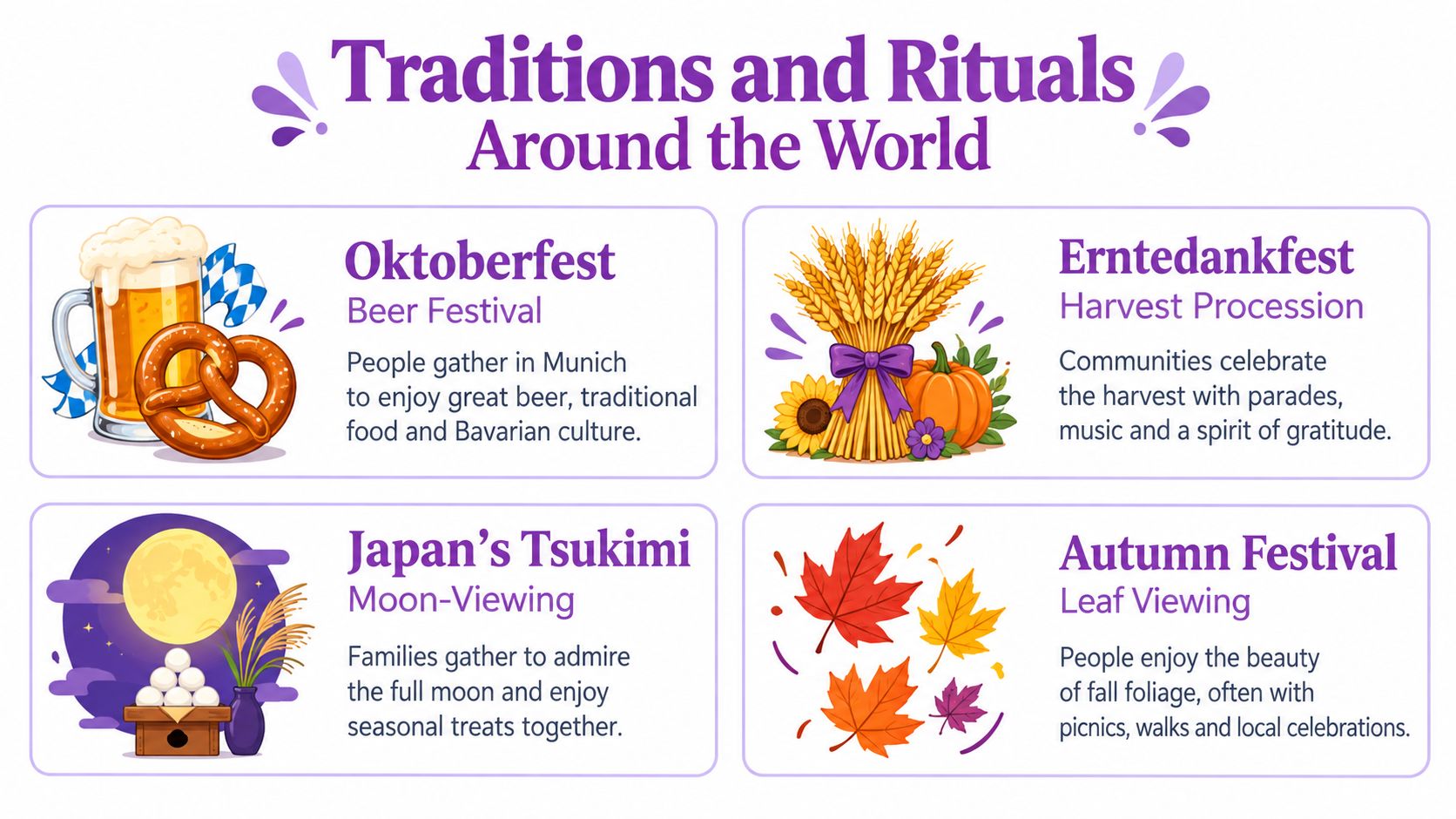
Autumn traditions give physical changes a social shape. In Germany, Oktoberfest brings shared food, music, and celebration, while Erntedankfest connects communities with harvest gratitude and processions. Roasted foods, baked goods, and gathered tables make the season feel abundant even as the natural world begins to quiet.
In Japan, tsukimi, or moon viewing, pairs the autumn moon with pampas grass and rice dumplings. The custom creates a pause for looking upward, noticing the season, and sharing a simple offering. China's Mid-Autumn Festival similarly centers the moon, family connection, and mooncake gifting, turning evening light into a reason to gather.
From harvest to remembrance
In North America, apple picking, pumpkin carving, cider, and harvest meals create hands-on family rituals. The pleasure comes partly from repetition. You know what the season smells like, which foods return, and which activities invite people to work together.
Mexico's Día de los Muertos connects autumn with remembrance through altars, flowers, food, and personal mementos. The emphasis isn't only on darkness or loss. It creates a space where memory, family, color, and affection can coexist. In Britain, Bonfire Night brings lantern light, outdoor gatherings, and the contrast of fire against an early-dark sky.
These traditions differ in history and meaning, so they shouldn't be treated as interchangeable decorations. Still, they share seasonal themes of harvest, gratitude, reflection, community, and connection with those who came before.
A borrowed ritual works best when you respect its origin and adapt only the simple, universal action, such as gathering for tea, sharing food, or taking a quiet evening walk.
You might host a moon-viewing tea, bake bread near the equinox, prepare an apple dessert with friends, or create a small gratitude table using local produce. For a calmer approach to daily ritual, explore Cleverfy's guide to mindful moments. The point isn't to recreate another culture's ceremony. It's to give your own fall a meaningful pause.
Seasonal Activities for Every Kind of Fall
The best autumn activity is the one that fits your energy, weather, company, and available preparation time. A leaf-peeping drive may delight an outdoorsy reader but exhaust someone who wants a quiet weekend at home. A family outing may feel memorable to one household and logistically overwhelming to another.
Use the comparison below as a menu rather than a schedule.
Fall activities by reader type
| Reader Type | Activity Ideas | Best Timing | Cost Tier |
|---|---|---|---|
| Nature lover | Leaf-peeping drive, hiking trail, cider mill visit, foraging walk | Choose the clearest stretch of foliage and check local weather first | Low to medium |
| Homebody | Batch-cooked stew, slow Sunday baking, library reading session, candle-lit journaling | Any cool or rainy day, especially when outdoor plans feel unappealing | Low |
| Family planner | Corn maze, pumpkin patch, costume swap, leaf-rubbing craft, movie marathon | Weekends with a simple backup plan for rain or early darkness | Low to medium |
A nature lover should prepare for changing conditions with layers, water, sturdy shoes, and a charged phone. If a trail includes elevation, color may change along the route, giving the outing more visual variety. A cider mill or orchard offers a gentler alternative when the group wants seasonal atmosphere without a long hike.
Homebodies can create a satisfying weekend from ingredients already on hand. Make a stew in the afternoon, bake something slowly, then turn off overhead lights for reading or journaling. For a hospitality-minded gift, Andes Autumn for hospitality gifts offers a seasonal resource to consider when you want to thank a host or bring warmth to a gathering.
Families benefit from activities with a clear beginning and end. A corn maze, pumpkin patch, or leaf-rubbing craft gives children something to do, while a costume swap reduces the pressure to make every seasonal item new. A sample week might pair one outdoor walk, one home-cooked meal, and one family craft, creating variety without filling every evening.
Autumn Style and Gift Ideas That Actually Work
Autumn clothing has to handle uncertainty. The morning may be cold, the afternoon mild, and the evening rainy. A versatility-first wardrobe solves that problem better than a closet full of highly specific trend pieces.
Start with lightweight layers. A knit vest adds warmth without restricting movement. An oversized cardigan works over a T-shirt or beneath a coat. Leather loafers suit work settings and casual errands, while a scarf in rust, mustard, or forest tones adds seasonal color without requiring a complete outfit change.
Dress for transitions
Choose pieces that can be removed, combined, and cared for easily. A breathable base layer helps indoors, a textured middle layer adds insulation, and weather-ready shoes protect the outfit when sidewalks turn wet. If you want more outfit combinations, this practical guide to a fall wardrobe from Cedar & Lily Clothier can serve as visual inspiration.
The same logic applies to gifts. A good autumn present should be pleasant to use and easy to fit into an existing routine.
- For a host: Pair a plush throw with spiced tea or a small candle. These items support the shared atmosphere without demanding a particular size or personal taste.
- For a partner: Choose a hand-care set, a soft accessory, or an evening scent that matches how they relax.
- For a coworker: A tea collection or modest desk-friendly comfort item feels considerate without becoming too intimate.
- For a self-care friend: A gift-ready shower steamer set can turn an ordinary shower into a deliberate pause. Cleverfy's wellness gift ideas can help when you want a themed option rather than assembling every item yourself.
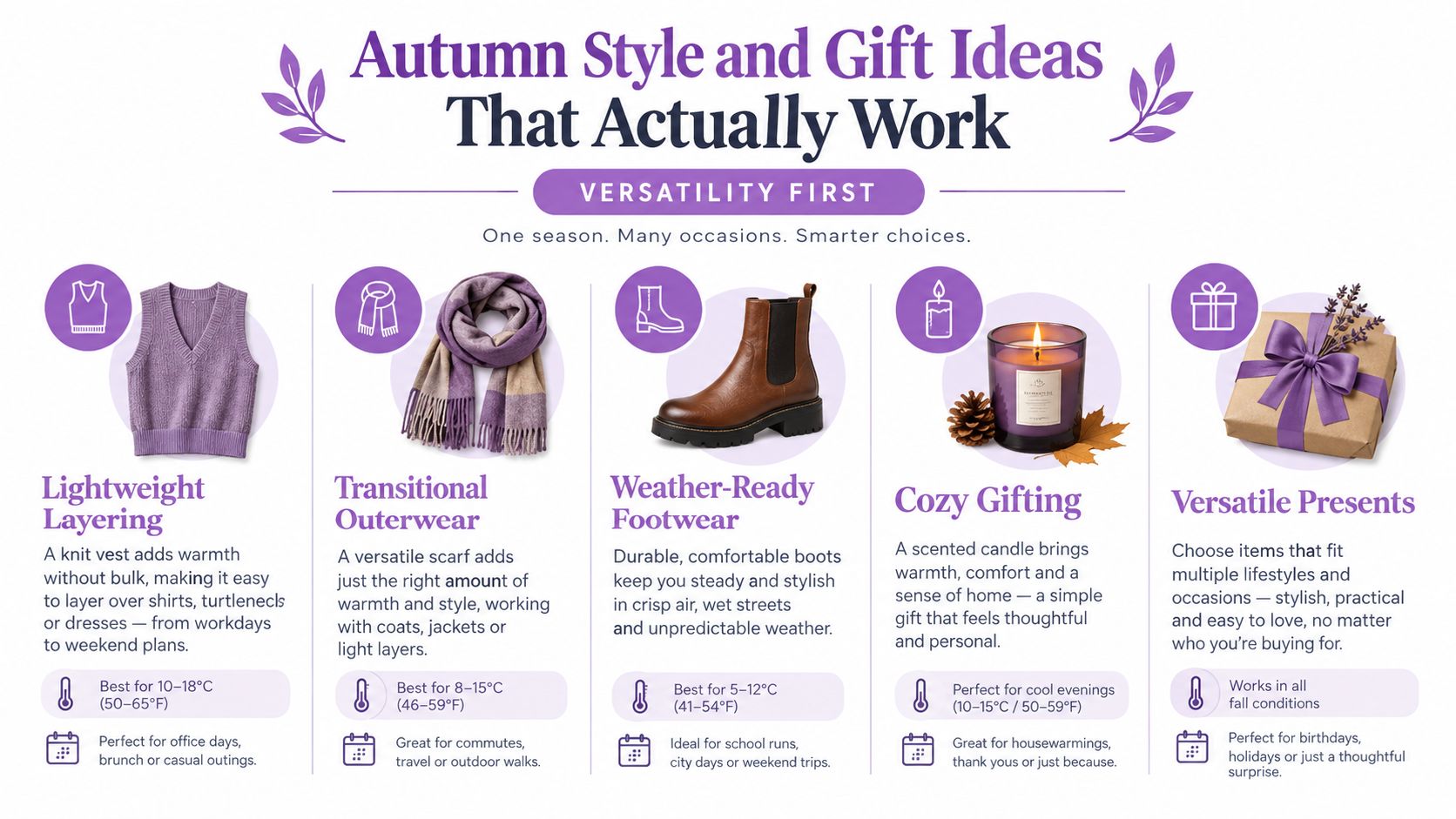
Use one decision rule: pick something that engages a sense, fits a real morning or evening ritual, and remains useful when the weather changes. A scent-based gift works well in fall because indoor routines become more prominent, but the recipient should still have an obvious place to use it.
Shower Steamer Routines for a Calmer Fall
A shower steamer works through water, heat, and fragrance. Place the tablet on the shower floor where it receives splashes rather than directly under the strongest stream, so it dissolves gradually. Keep the water comfortably warm, not scalding, and stop if a scent irritates your skin, eyes, or breathing.
Menthol and eucalyptus are commonly associated with a cool, clearing sensation, while citrus notes often feel bright and lively. Lavender, cedarwood, and vanilla are more naturally suited to a quiet evening atmosphere. These aromas don't reset the circadian system by themselves, but they can become useful behavioral cues attached to routines that support consistent sleep and waking.
A four-step seasonal ritual
- Set the cue before you step in. Choose the tablet according to the moment. For a dark early commute, an invigorating scent can mark the start of the day. For a late shower, select a softer profile and keep the bathroom lighting low.
- Let steam create a pause. Spend a couple of minutes breathing normally while the aroma disperses. Don't force deep inhalations, and keep ventilation comfortable.
- Add five calm breaths. Notice your shoulders, jaw, hands, and stomach. On each exhale, release one area of tension. This body scan gives the shower a clear purpose instead of turning it into background noise.
- Record the result. After drying off, write one line about mood, energy, or sleepiness. Over several uses, you may notice which scent belongs to your morning and which belongs to your evening.
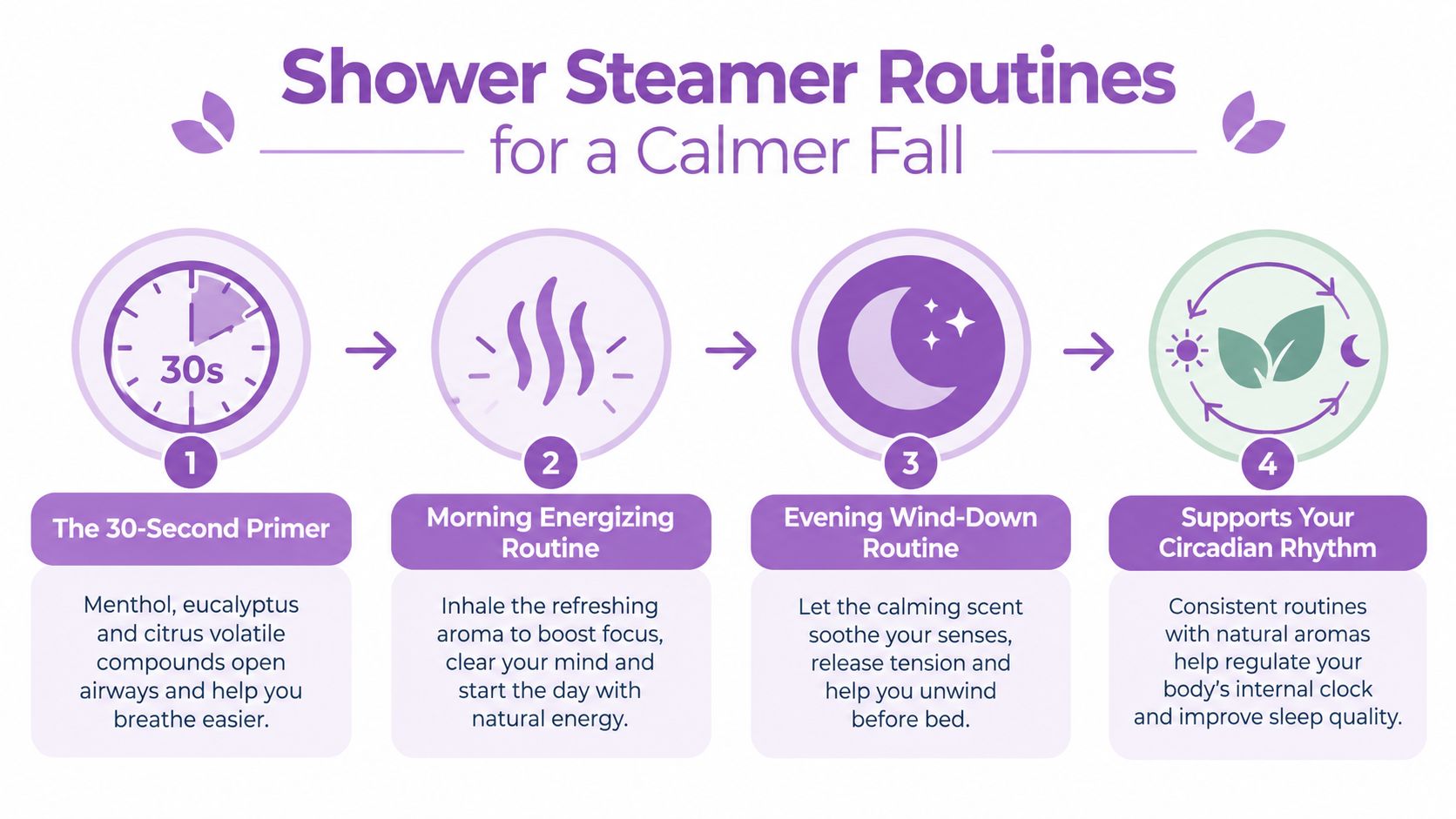
For a midday slump, use a bright scent as a boundary between work blocks. For a 9 p.m. wind-down, keep the water warm and the pace unhurried. Store unused tablets in an airtight jar away from humidity, since bathroom moisture can start dissolving them before you use them.
If you're new to the format, follow this practical guide on how to use shower steamers. People with asthma, fragrance sensitivities, allergies, or other health concerns should check ingredient information and seek professional advice when needed.
Your Intentional Fall Checklist
A good fall routine doesn't need to be elaborate. It needs a few anchors that you can repeat when the weather changes, daylight fades, and your calendar becomes crowded.
Astronomical anchors
- Mark the equinox: In the Northern Hemisphere, note September 22, 2026, and remember that the worldwide moment can appear on a different local calendar date.
- Watch the weather: Track your region's first-frost pattern rather than assuming the same seasonal timing applies everywhere.
- Notice the transition: Use the equinox as a reminder to review sleep, clothing, food, and evening plans.
Light and routine habits
- Take morning outdoor time: Add a short walk or coffee break outside early in the day.
- Soften the evening: Dim screens and indoor lighting as darkness arrives.
- Keep the bedroom consistent: Make your wind-down cues repeatable, even when work or social plans vary.
Tradition and activity touchpoints
- Choose one local gathering: Visit a harvest market, cultural festival, orchard, or community event.
- Create one tea ritual: Try moon-viewing tea, spiced cider, or a quiet cup after dinner.
- Pick three activity lanes: Add one outdoor plan, one home activity, and one family or friend gathering.
Build a small sensory kit
Keep a shower steamer selection, a candle, and a textured throw where you can reach them. Pair a morning tablet with the first part of your day for three days, then use an evening blend for four nights. After that week, reassess your sleep timing, mood, and energy rather than judging the routine after a single use.
Autumn becomes easier when you stop treating it as a deadline and start treating it as a series of cues. Let the sky, the temperature, the table, and the shower each remind you to slow down with purpose.
Cleverfy Beauty offers aromatherapy shower steamer tablets, gift-ready sets, and larger assortments designed to bring essential-oil fragrance into a regular shower routine. Visit Cleverfy Beauty to explore scent options for grounded fall mornings, thoughtful wellness gifts, and calmer evening rituals.

