

Aromatherapy Benefits: A Complete Guide for 2026
You step into a hot shower after a draining day, expecting only clean skin and a few quiet minutes. Then steam fills the room, a familiar scent rises, and your breathing seems to slow before you've consciously decided to relax. That small shift is the practical appeal behind many aromatherapy benefits. It fits into an existing routine instead of asking you to find a bathtub, roll out a yoga mat, or create a separate wellness appointment.
Aromatherapy can support a calmer mood, an easier transition into sleep, and a repeatable daily ritual. It isn't a cure for disease, and the evidence isn't equally strong for every claim. The most useful approach pairs each goal with an appropriate scent, delivery method, and honest understanding of what research can and can't establish.
Table of Contents
- What Aromatherapy Actually Is
- How Aromatherapy Works in the Body
- Stress and Anxiety Relief
- Sleep, Focus, Congestion, and Pain Relief
- Shower Aromatherapy and Scent Profiles
- Safety, Contraindications, and Common Misconceptions
- Daily Routines, Practical Tips, and Gifting
What Aromatherapy Actually Is
Aromatherapy is the deliberate use of plant-derived essential oils to create a desired mental or physical experience. The oils may come from flowers, leaves, peels, bark, or other plant material, and people commonly use them by breathing in the aroma or applying a properly diluted preparation to the skin.
That definition separates aromatherapy from enjoying a pleasant smell. A scented candle, perfume, or room spray may improve the atmosphere, but it isn't automatically aromatherapy. The difference lies in the intentional use of concentrated essential oils and the chosen route of exposure.
Two ways people use essential oils
Inhalation is the most relevant route for shower steamers, diffusers, personal inhalers, and scented tissues. You breathe in aromatic molecules, and the scent becomes an immediate sensory cue. A lavender aroma before bed, for example, can become associated with turning off work, lowering the lights, and beginning a sleep routine.
Topical application means placing diluted essential oils on the skin, usually in a carrier oil. This route is more often discussed for massage, muscle tension, joints, or skin-level experiences. It also creates more safety concerns because concentrated oils can irritate skin, trigger allergic contact dermatitis, or cause other reactions if handled carelessly.
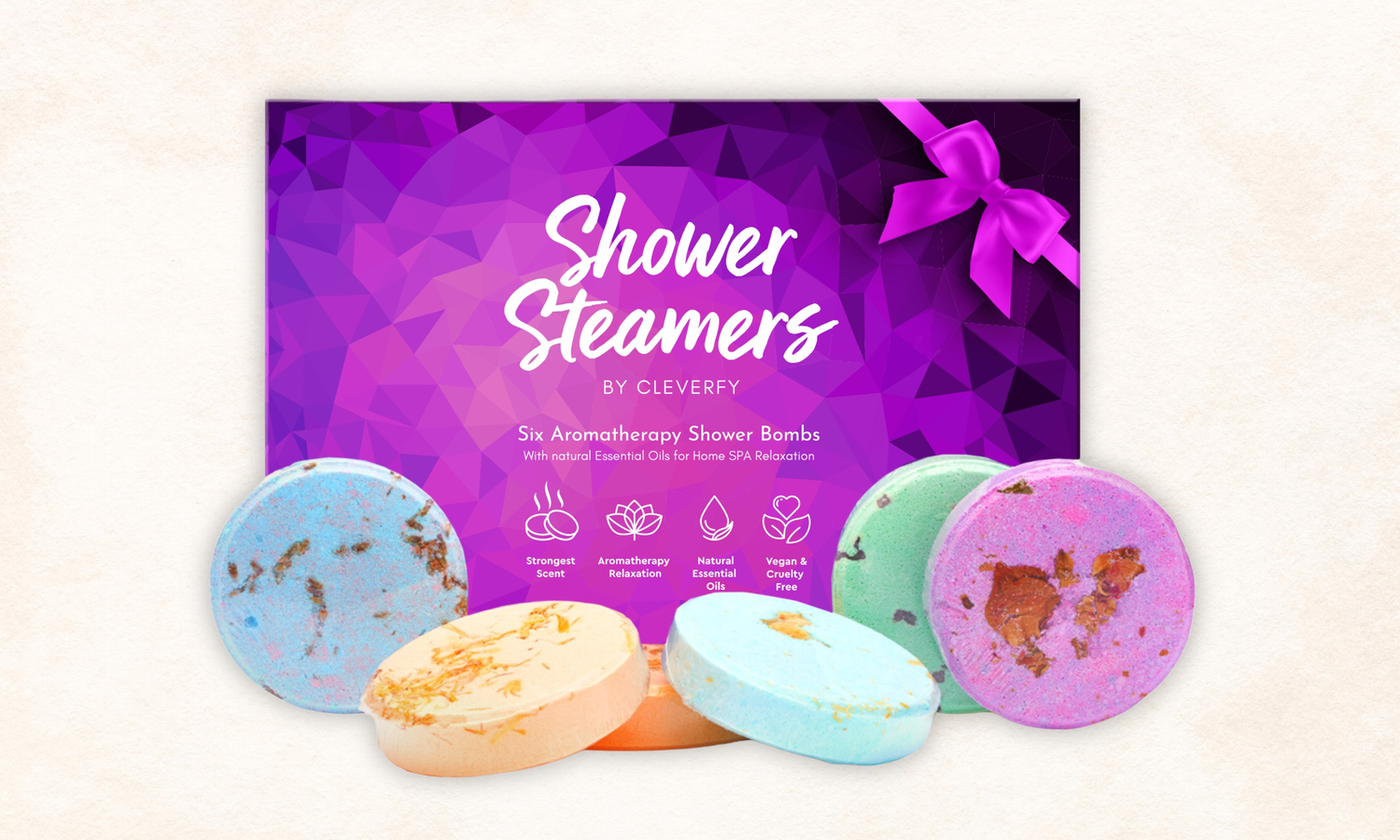
The distinction matters because a shower steamer offers an inhalation-focused experience without requiring oil to touch your skin. A product such as the Cleverfy Purple Gift Set of 6 Shower Steamers includes lavender, watermelon and vanilla, grapefruit and coconut, menthol and eucalyptus, orange, and peppermint scent options, allowing you to compare profiles by mood rather than commit to one aroma.
Practical rule: Treat aromatherapy as supportive wellness care. Use it to create a calmer environment or a wind-down cue, not as a substitute for medical diagnosis or treatment.
The three most realistic outcomes to explore are calmer subjective stress, sleep support through a bedtime ritual, and a low-effort moment of sensory reset. Those benefits may feel meaningful, but they're shaped by the oil, the delivery method, your personal response, and how consistently you use the routine.
How Aromatherapy Works in the Body
Think of scent as a thermostat, not a light switch. A thermostat doesn't rebuild a room or fix a broken furnace. It nudges the environment toward a more comfortable setting. Aromatic stimulation can work in a similar way by providing the brain with a sensory input linked to emotion, memory, attention, or relaxation.
When you inhale an essential-oil aroma, scent molecules reach receptors in the nose. Signals then travel through the olfactory system toward brain areas involved in emotion and memory, including the limbic system. That helps explain why a smell can change your mood quickly or bring back a vivid memory before you've analyzed what you're smelling.

Why inhalation feels immediate
Inhalation works as a fast environmental cue. You notice the aroma while showering, breathing, or sitting near a diffuser, so the effect you perceive may involve both the scent itself and the context around it. A warm shower, slower breathing, dim lighting, and a familiar lavender aroma can combine into one recognizable “time to unwind” signal.
That doesn't mean inhaled oil travels through the body like a medicine or produces a guaranteed therapeutic response. It means the nervous system receives a strong sensory message, and your brain interprets that message according to the scent, your memories, your expectations, and the situation.
Topical use is different. An oil diluted in a carrier substance contacts the skin and may be used during massage or on a specific body area. The method is more relevant when touch, warmth, or massage is part of the goal, but it requires careful dilution and greater attention to skin sensitivity.
For a plain-language explanation of oil delivery, scent perception, and practical use, see this guide to how essential oils work in aromatherapy.
Essential oils are highly concentrated. The same compound that smells refreshing in a diffuser may irritate the lungs, eyes, or skin when exposure is excessive or the oil is used incorrectly.
Scent is a powerful input, but it isn't a magic trick. The oil, dose, route, setting, and person all matter.
Stress and Anxiety Relief
Stress often follows you home. You finish a demanding meeting, keep replaying a difficult conversation, or sit down for dinner while your body still feels ready to respond to the next notification. A familiar scent can interrupt that sequence by giving your attention something immediate and sensory to follow.
A 2023 systematic review of inhalation aromatherapy found that over 70% of included studies reported a positive effect on anxiety compared with control groups (PubMed review). The review also concluded that inhalation aromatherapy has potential to reduce stress and anxiety across multiple clinical contexts. That makes anxiety reduction one of the more consistently observed aromatherapy benefits in the available evidence, while still leaving room for differences in study quality, oil choice, and setting.
What the evidence supports
The finding supports a modest, practical interpretation. Aromatherapy may help reduce subjective anxiety, create a calmer emotional state, or make it easier to begin a relaxation routine. It doesn't establish that a particular oil treats an anxiety disorder, replaces psychotherapy, or works identically for every person.
For a shower-based ritual, lavender is a sensible starting point because its floral profile is widely associated with evening calm. Bergamot offers a brighter citrus-floral option, while frankincense provides a resinous, grounded aroma. These pairings are practical choices, not guarantees of a specific clinical outcome.
You don't need to build an elaborate spa routine. Place an inhalation product in a well-ventilated space, breathe normally, and let the aroma accompany an activity you already perform. If anxiety tends to intensify at night, additional guidance on calm anxiety before bed can help you think beyond scent alone and consider the broader sleep environment.

Set the right expectation
Aromatherapy works best here as a low-burden relaxation tool. You're adding a cue that may help your body and attention shift away from work tension. You're not asking a scent to resolve the cause of stress.
That broad pattern helps explain why wellness brands use many different oils and formats to support winding down, stress management, and mood regulation. The commercial appeal isn't based on one universal oil. It comes from a flexible ritual that can be adapted to a person's preferred scent and existing routine.
If an aroma makes you feel tense, gives you a headache, or worsens breathing discomfort, stop using it. A calming scent should feel comfortable, not like another demand placed on your nervous system.
Sleep, Focus, Congestion, and Pain Relief
Aromatherapy claims become harder to evaluate once you move beyond anxiety. Sleep has a promising signal in recent evidence, while focus, congestion, and pain depend more heavily on the specific context, method, and outcome being measured.
The Australian Natural Therapies Review 2024 reported an insomnia meta-analysis with an overall standardized mean difference of -1.63, with a 95% confidence interval from -2.20 to -1.04 (Australian aromatherapy evidence evaluation). That result indicates a large improvement in insomnia severity within the included trials. It still doesn't mean an essential oil treats every sleep disorder, or that a shower steamer can replace assessment for persistent insomnia.
Lavender is the most intuitive pairing for sleep, with vanilla offering a softer, warmer companion scent. Use the aroma as part of a consistent wind-down pattern, such as showering, lowering the lights, and putting away your phone.
For readers comparing scent rituals with other natural sleep aid options, the important distinction is that aromatherapy is best viewed as a supportive routine rather than a guaranteed sleep intervention.
Match the goal to the evidence
Focus is more experiential. Peppermint and rosemary have crisp, stimulating profiles that some people use as a coffee-adjacent cue before work or study. The evidence is weaker than the anxiety and sleep signals, so judge these scents by whether they help you feel more alert, not by expecting a measured cognitive transformation. This essential-oil scent guide for mood, focus, and sleep can help you compare profiles.
Menthol and eucalyptus often feel “clearing” because of their cooling sensory character. That perception can make a steamy shower feel refreshing, but it shouldn't be confused with treating an infection or opening restricted airways. Recent ICU research suggests psychological effects, especially anxiety and sleep, are more reliable than respiratory benefits, which remain weaker or very uncertain (Frontiers in Medicine research).
Pain evidence is narrower. An evidence map found moderate-confidence support for selected uses, including pain associated with dysmenorrhea, perioperative anxiety, hemodialysis-related stress and sleep, and sleep quality in some groups. It found insufficient evidence for most other conditions. For topical pain rituals, diluted oil combined with massage is the relevant method, not undiluted application.
| Goal | Evidence strength | Best-supported scents | Best delivery method |
|---|---|---|---|
| Anxiety and stress | Stronger signal, with limitations | Lavender, bergamot, frankincense | Inhalation |
| Sleep and insomnia severity | Promising, low-certainty overall evidence | Lavender, vanilla | Inhalation |
| Focus and alertness | Weak | Peppermint, rosemary | Inhalation |
| Congestion sensation | Weak and uncertain for respiratory outcomes | Menthol, eucalyptus | Inhalation and shower steam |
| Selected pain contexts | Moderate in limited contexts | Peppermint, ginger | Diluted topical use with massage |
The Australian evaluation judged the overall evidence as low or very low certainty for all outcomes, so even encouraging findings need measured interpretation. The useful question isn't “Does aromatherapy work for everything?” It's “Which goal, scent, route, and expectation fit the evidence and my situation?”
Shower Aromatherapy and Scent Profiles
A shower steamer solves a simple access problem. You may want an aromatic ritual, but you don't have a bathtub, spare time, or interest in cleaning a diffuser. A tablet placed on the shower floor can dissolve gradually as water reaches it, allowing warm steam to carry the aroma through the enclosed space.
Keep the steamer away from the direct water stream. Direct spray can dissolve it too quickly, while a position near the edge of the shower floor lets the tablet release its scent more gradually. Because the tablet is designed for the shower environment rather than direct skin application, the format can fit naturally into a shower-first routine.

Choose a scent by the job
Start with the result you want from the shower, then select the scent profile. This prevents trend-driven buying and makes it easier to decide whether the ritual is helping.
- Evening wind-down: Lavender and vanilla create a soft, familiar profile for the transition from screens and work into rest.
- Refreshing shower: Eucalyptus and menthol provide a cool, invigorating aroma that many people associate with a clearer-feeling shower.
- Morning energy: Grapefruit and orange bring bright citrus notes that can make a routine feel more awake before coffee.
- Focus reset: Peppermint and rosemary offer sharper herbal profiles for a desk-to-task transition or a pre-study shower.
- Men's and unisex blends: Ginger and frankincense add warm, woody, spicy notes without leaning heavily floral.
A themed gift set can make experimentation easier because you get several scent families instead of guessing at one bottle of oil. It also gives the recipient room to discover whether they prefer floral, citrus, mint, or warm aromatic notes.
The shower format needs no bathtub and no separate cleanup ritual. You add the tablet to a suitable spot, turn on the water, and let the steam become part of the shower you were already taking. The extra step is small, which matters because routines survive when they create little friction.
A guide to choosing shower steamers according to mood can help you compare profiles before selecting a set.
Treat the steam as an inhalation setting, not a reason to apply the tablet to your body. If the aroma feels overpowering, increase ventilation, shorten exposure, or discontinue use.
Safety, Contraindications, and Common Misconceptions
“Natural” describes an origin, not a complete safety profile. Independent reviews report adverse effects ranging from mild dermatitis to severe reactions. One systematic review identified 71 affected patients, while also noting that the true frequency is unknown (systematic review of adverse effects).
The main risk depends on how you use the oil. Undiluted topical application can irritate skin or provoke allergic contact dermatitis. Citrus oils may create phototoxic reactions when applied to skin before sun exposure. Accidental contact can irritate the eyes, and ingestion can be dangerous.
Situations that need extra care
People who are pregnant, caring for infants or young children, managing asthma, or living with sensitive skin should take a cautious approach. The safest choice may be to ask a qualified healthcare professional before using a new essential oil, especially if the product will be inhaled frequently or applied topically.
Pets also require special caution. Animals can respond differently to concentrated aromatic compounds, so keep oils, tablets, and diffusers away from them and avoid assuming that a scent safe for an adult is appropriate for a household pet.
Shower steamers reduce direct skin contact, but they don't eliminate every concern. Steam carries aroma into the air, and a small bathroom can concentrate scent quickly. Ventilate the room, avoid placing a tablet where it creates a slipping hazard, and stop immediately if you develop coughing, wheezing, eye discomfort, nausea, headache, or skin irritation.

A short safety checklist
- Dilute topical oils: Use a suitable carrier oil and follow product guidance before applying anything to skin.
- Never ingest essential oils: Keep them out of food, drinks, and children's reach.
- Ventilate the room: Fresh airflow helps prevent an overpowering exposure.
- Patch test carefully: Test a new topical product on a small area first, unless a clinician advises otherwise.
- Protect children and pets: Store oils and shower products securely and don't share adult aromatherapy products with infants.
Natural does not mean risk-free. The route of use and concentration matter as much as the plant name on the label.
Daily Routines, Practical Tips, and Gifting
Build your routine around the part of the day that needs help.
- Morning: Use grapefruit, peppermint, or orange in the shower as an energizing cue before coffee.
- Midday: Try rosemary or lemon from a personal inhaler during a desk break to mark a focus reset.
- Evening: Choose lavender, vanilla, or eucalyptus in the shower as a screen-to-sleep transition.
Start with one scent for a week before deciding whether it suits you. Store shower tablets somewhere dry, and choose by goal rather than trend. For gifting, lavender fits a stressed friend, eucalyptus suits someone who enjoys post-workout showers, ginger and orange work for a warm partner-focused gift, and citrus blends can suit teens who prefer bright aromas.
Aromatherapy works best as a small, repeatable ritual layered onto an existing routine, not as one dramatic event.
Cleverfy Beauty offers essential-oil shower steamer tablets and gift-ready multi-scent sets for people who prefer a quick, bathtub-free aromatherapy ritual. Visit Cleverfy Beauty to explore scent options for relaxation, mood support, morning energy, and everyday gifting.

