

Autumn Fall Season Guide: Meaning, Signs, and Cozy Ideas
You wake up, crack the window, and the room tells you before the calendar does. The air feels cooler on your hands. Steam curls up from a mug a little faster. A leaf skitters across the porch, and suddenly your usual summer habits feel slightly off.
That's the quiet power of the autumn fall season. It doesn't arrive only as colder weather. It arrives as a full-life transition. The light changes, your clothes change, dinner gets earlier, and your home starts to matter in a different way. You notice scent more. You think more about comfort. You start wanting routines that help you settle in rather than stay out late.
A lot of people stop the conversation there and call it pumpkin spice season. But autumn is bigger than that. It's a mix of seasonal science, cultural rhythm, body cues, and sensory habits. Once you understand those layers, it gets easier to build a fall that feels good instead of just looking good on social media.
Table of Contents
- What Makes the Autumn Fall Season Feel Different
- Astronomical vs. Meteorological Fall Explained
- How Autumn Shows Up in Nature and Climate
- Cultural Traditions and Holidays That Define the Season
- Seasonal Activities and Wardrobe Tips for Cooler Days
- Health and Wellness Considerations in Autumn
- Seasonal Aromatherapy and Shower Rituals Worth Trying
- Autumn Gift Ideas for Wellness-Minded Recipients
What Makes the Autumn Fall Season Feel Different
The first difference is usually sensory, not intellectual. Morning light looks softer and lower. Your skin notices the air before your brain names the season. Food starts to shift from crisp and cold to warm and grounding. Even small choices, like reaching for socks, closing windows earlier, or wanting a stronger-smelling soap, start happening almost automatically.
That's because autumn is a transition season. Summer often pushes people outward. More daylight, lighter meals, later evenings. Fall pulls many of those habits inward. People begin nesting without always realizing it. They stock the pantry a little differently, notice blankets again, and become more aware of how a room feels at night.
Why the shift feels bigger than the temperature
Temperature matters, but it's not the whole story. Autumn changes how the day is structured. School schedules return. Work often feels more fixed after summer travel. Social life becomes less spontaneous and more planned. That's why fall can feel both comforting and demanding at the same time.
It also creates a strange mix of energy and nostalgia. One person feels motivated to reset routines. Another feels a little sad watching the evenings shorten. Many feel both at once.
Autumn often feels “cozy” because it gives the senses more to notice at home. Texture, warmth, scent, steam, and softer lighting suddenly matter more.
The season changes your habits before you plan them
You might see it in ordinary moments:
- In the kitchen: soups, roasted vegetables, baked fruit, and warmer drinks start sounding better than icy snacks.
- In the closet: breathable layers become more useful than single-purpose summer outfits.
- At home: candles, showers, blankets, and evening wind-down rituals feel more rewarding.
- In your schedule: earlier walks, quieter nights, and more intentional weekends often replace long outdoor evenings.
That's why the autumn fall season is such a useful time to reset. The environment is already nudging you. You don't need a dramatic overhaul. You need a few smart adjustments that match what the season is already doing.
Astronomical vs. Meteorological Fall Explained
If you've ever heard two different answers to “When does fall start?” both answers may have been reasonable. People use two different systems.
One system follows Earth's position in space. The other uses a fixed calendar for weather tracking. It is like using two clocks in the same kitchen. One tells you when the sun rises. The other helps you plan the school run. Both are useful. They just answer different questions.

The astronomical version
Astronomical fall begins at the autumnal equinox. In the Northern Hemisphere, that usually falls on September 22 or 23, though in this century it can occur from September 21 to 24 according to this equinox and shifting seasons overview. The same source notes that September 22 is the most common equinox day in UTC in the 21st century, occurring 76 times, while September 23 occurs 22 times and September 21 occurs twice.
This system matters because it reflects a real seasonal turning point tied to Earth's tilt and orbit. It's the version that feels most poetic and most connected to nature, calendars, and traditional observances.
The meteorological version
Meteorological fall is simpler. It runs from September 1 through November 30. Weather services often prefer this fixed setup because it makes month-to-month climate tracking cleaner and more comparable over time.
Here's the practical difference. Astronomical fall asks, “When does the seasonal turning point happen?” Meteorological fall asks, “What three full months should we group together when studying fall weather?”
Astronomical vs. Meteorological Fall at a Glance
| Feature | Astronomical Fall | Meteorological Fall |
|---|---|---|
| Start point | Autumnal equinox | September 1 |
| End point | Winter solstice | November 30 |
| Based on | Earth's position relative to the sun | Fixed calendar months |
| Best for | Seasonal meaning, cultural observance, sky-based timing | Weather records, climate comparisons, forecasting |
| Usual public use | Almanacs, seasonal traditions | Forecasting and climate summaries |
A simple rule helps. If you're talking about the sky, traditions, or the “official” seasonal turning point, use astronomical fall. If you're talking about weather patterns, wardrobes, or month-based planning, meteorological fall is often the cleaner tool.
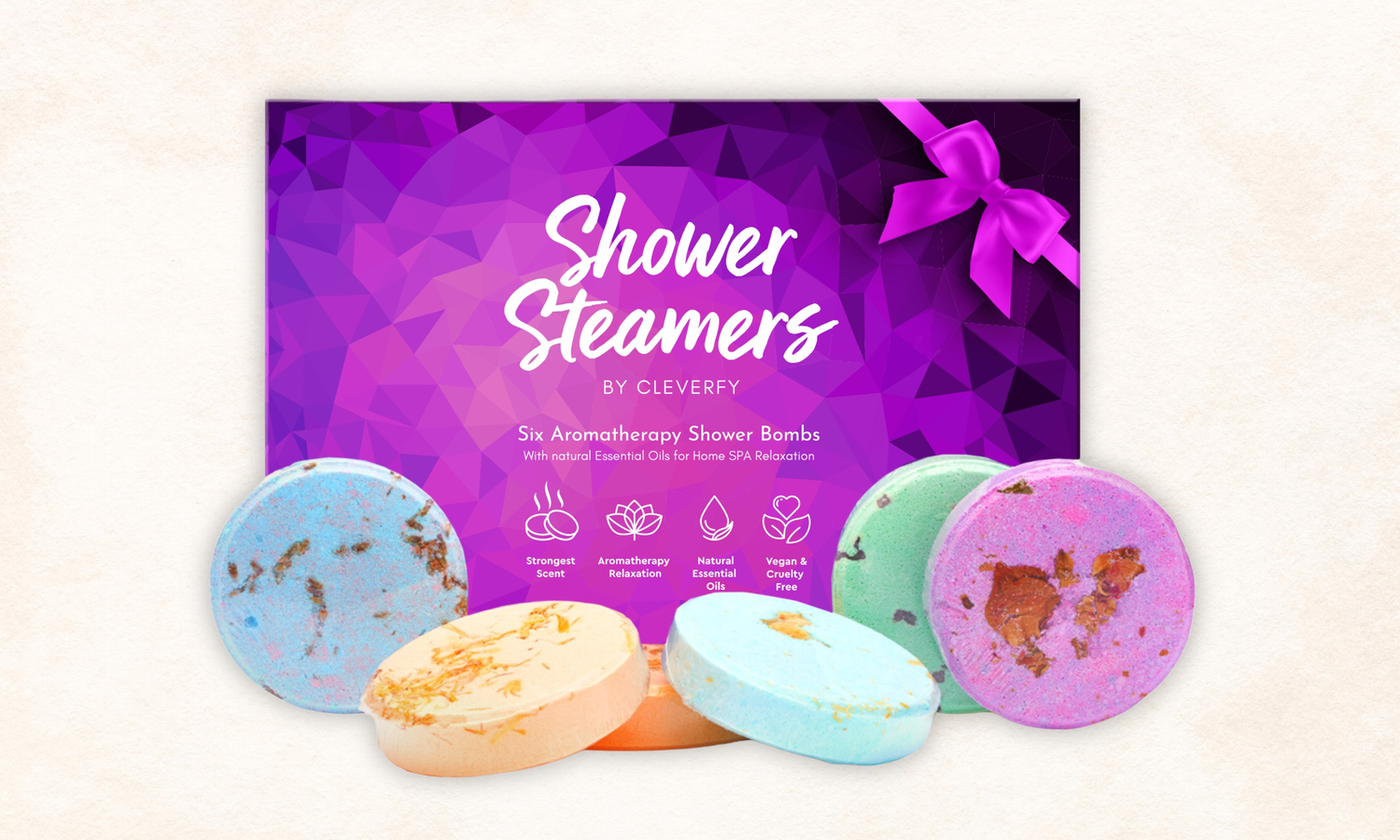
That's also why a shower-based routine can feel oddly well-timed in early fall. A product like the Cleverfy Purple Gift Set of 6 Shower Steamers fits that in-between moment because it's easy to use in a regular shower and includes several scent options, from Lavender to Menthol & Eucalyptus, without requiring a full seasonal reset.
How Autumn Shows Up in Nature and Climate
You don't need a weather app to notice autumn at first. Trees start telling the story. Green leaves lose chlorophyll, and the hidden yellows, oranges, and reds become easier to see. Cooler nights and shorter days help trigger that visual shift, which is why one neighborhood can look transformed while another still seems stuck in late summer.
Animals respond too. Birds begin migrating. Squirrels get busier around food sources. Insects change their patterns, and some seem to vanish almost overnight. Even people who don't spend much time outdoors usually notice that the living world becomes more active in some ways and quieter in others.

Autumn still varies a lot by region
Fall doesn't look the same everywhere. One place gets crisp mornings and fast leaf color. Another keeps warm afternoons well into the season. That regional difference is normal, and it's part of why people argue about whether it “really feels like fall” yet.
Climate change is adding another layer. A recent analysis found that later autumns have shifted by an average of 8.4 days across 130 temperate regions, according to this seasonal change summary. The same source reports that Climate Central's 2025 fall analysis found fall has warmed in every county across the contiguous U.S. since 1970, and 237 of 243 cities analyzed, or 98%, saw higher average fall temperatures. Among those cities, the average increase was 2.8°F from 1970 through 2024, and 103 locations, or 42%, warmed by 3°F or more.
What that means in daily life
Warmer, later fall changes the season people experience. The same analysis says 238 of 243 cities, also 98%, now see more days above their normal fall temperatures than in 1970. That helps explain why summer clothes can linger in rotation even while stores are filled with boots and knitwear.
Practical rule: Don't rely on the date alone. Watch for a cluster of signs in your area.
A simple local checklist helps:
- Leaves: are green canopies starting to turn patchy gold, orange, or red?
- Light: does late afternoon feel dimmer earlier than it did a few weeks ago?
- Air: are mornings cooler and drier, even if afternoons stay mild?
- Wildlife: are birds grouping, squirrels storing, or insects thinning out?
- Daily habits: are you naturally reaching for layers, warmer drinks, or longer showers?
Those signs together tell you more than one chilly morning ever will.
Cultural Traditions and Holidays That Define the Season
Autumn feels rich because so many traditions sit close together. The season opens with harvest energy. Apple orchards, farmers markets, corn mazes, lanterns, and big trays of food all speak the same language. They mark gathering, preserving, and making use of abundance before winter arrives.
In many families, that rhythm begins softly. Someone brings home apples. A neighbor sets out gourds. Children come back with school projects made from leaves. Then the calendar gets denser, and the emotional tone deepens.
The season holds both play and remembrance
Halloween often brings costume parties, porch decorations, and neighborhood walks after dark. Día de los Muertos brings a different mood, one centered on memory, tribute, and continuity with loved ones. Both belong naturally to fall because autumn already carries themes of change, endings, and reflection.
Thanksgiving often becomes the season's centerpiece for people in the United States. It pulls together food, travel, gratitude, family tension, generosity, and ritual all at once. If you want that tradition to feel less wasteful and more intentional, this guide to Zero-waste Thanksgiving planning offers practical ideas that fit the season's harvest mindset.
Other autumn customs give the season even more texture
Across the world, fall rituals highlight slightly different values:
- Harvest festivals: Germany's Erntedankfest centers gratitude for the harvest.
- Leaf viewing: Japan's momiji season turns autumn color into a shared outing, much like spring blossom viewing.
- Family remembrance: China's Double Ninth Festival often connects with respect for elders, climbing, and seasonal reflection.
- Bonfire tradition: Guy Fawkes Night in the UK brings firelight, crowds, and cold-weather gathering.
Some holidays in autumn ask people to celebrate. Others ask them to remember. Many ask for both at once.
That emotional mix is part of why the season feels fuller than a simple weather phase. People don't just decorate for autumn. They use it to mark gratitude, memory, feast days, family roles, and the shift toward home-centered time. Once you notice that, the season stops feeling like a pile of unrelated holidays and starts feeling like one long cultural arc.
Seasonal Activities and Wardrobe Tips for Cooler Days
Autumn rewards people who plan for variation. A morning can feel cold enough for a jacket, an afternoon can warm up, and evening wind can make the same outfit feel wrong again. The easiest fix isn't buying a whole new wardrobe. It's learning how to build a flexible one.
Activities work the same way. Fall days often feel shorter, so the best plans are the ones that fit real energy levels. A scenic drive, market stop, trail walk, or soup night can all count as autumn living. You don't need a full weekend cabin trip every time the leaves turn.

A simple way to dress for the season
Use a three-part layering system.
- Start light: wear a breathable base layer that won't feel sticky if the day warms up.
- Add insulation: choose a sweater, fleece, or vest that traps warmth without making movement awkward.
- Finish for weather: keep a light shell, trench, or water-resistant jacket for wind or surprise rain.
Accessories matter more in fall than many people expect. A scarf can fix a whole outfit. A light beanie can make an early walk much more comfortable. Boots help because they handle puddles, leaves, and colder ground better than thin summer shoes.
Good autumn plans don't need to be elaborate
Try alternating between outdoor and indoor options so the season feels balanced.
- Outside ideas: leaf-peeping drives, short hikes, orchard visits, weekend markets, local fairs, or campsite dinners.
- Inside ideas: reading nights, board games, slow baking, closet resets, soup prep, or movie marathons with blankets.
- Hybrid routines: coffee walk in the morning, market at midday, and a home-cooked dinner at night.
If you like making a seasonal drink at home, these barista-level pumpkin spice tips can help you make it taste more layered and less sugary.
Small schedule shifts help more than big resolutions
Try moving dinner a little earlier, especially as evening light drops. Take a short walk before sunset instead of promising yourself a late workout you probably won't want to do in the dark. Keep one lightweight extra layer near the door, in the car, or at your desk.
The best fall wardrobe is the one that lets you stay outside a little longer without getting uncomfortable.
That idea applies to routines too. Autumn isn't asking for perfection. It's asking for readiness.
Health and Wellness Considerations in Autumn
Autumn changes how people feel physically and mentally, even when they enjoy the season. Less daylight can affect mood and energy. Cooler, drier air can irritate sinuses and skin. Earlier darkness can make some people sleepy sooner, while stress from packed calendars can make others sleep worse.
That's why “cozy” advice only goes so far. A blanket is nice. It won't solve dry indoor air, a shifting sleep rhythm, or a week of sinus pressure.
What indoor air often does in fall
Autumn is a real transition period indoors, not just outdoors. One indoor-environment dataset reported average autumn indoor conditions of 23.0 ± 0.6°C and 44 ± 6% humidity, compared with 14.7 ± 1.7°C and 52 ± 10% outdoors, according to this PMC table on seasonal indoor and outdoor conditions. That means buildings can stay noticeably warmer and drier than the air outside as cooling begins.
Another peer-reviewed classroom study cited by the EPA recommends indoor relative humidity between 30–50% or at least below 60% to help limit mold, dust mites, and pests, as described in this study on indoor humidity and classrooms. The same study found autumn indoor relative humidity averaged 35.8% ± 13.4%, which fits the comfort-but-drier range many people start feeling once heating systems kick in.
Common Autumn Health Shifts and Practical Responses
| Autumn Effect | What to Do |
|---|---|
| Drier indoor air | Use a humidifier if your home feels overly dry, and watch for signs like tight skin or scratchy airways |
| Earlier darkness | Get outside for morning light when you can, and keep sleep and wake times consistent |
| Sinus irritation or congestion | Use steam, stay hydrated, and read practical guidance on preventing seasonal allergies and sinus congestion |
| Schedule stress | Simplify evenings, prep a few repeat meals, and protect wind-down time |
| Lower thirst cues | Keep drinking water even if tea and coffee replace cold drinks |
Independent public-health coverage also noted that the 2025–2026 influenza season was expected to be moderate, according to the CDC seasonal outlook page. That doesn't mean panic. It means autumn is a smart time to tighten routines that support sleep, hydration, movement, and recovery.
One more point often gets missed. Fall wellness doesn't need to feel medicinal. A warmer shower, a better bedtime, and more attention to indoor moisture can do a lot of quiet work.
Seasonal Aromatherapy and Shower Rituals Worth Trying
Scent may be the most underrated tool in the autumn fall season. Clothes keep you warm, and food makes you feel comforted, but scent changes the mood of a moment almost immediately. It can make a rushed weekday shower feel grounded, or turn a dark morning into something sharper and more awake.
That matters even more in fall because indoor air often shifts toward the drier side. As noted earlier, buildings can stay warmer and drier than outdoor air during autumn's transition, which changes how comfort feels from room to room. A sensory ritual works well here because it doesn't need extra time. It just makes a routine you're already doing feel more intentional.

Three scent families that fit fall well
Warm woods like cedar or sandalwood often feel steadying after a busy day. Spice notes such as cinnamon, clove, and cardamom read as comforting, especially in the evening. Evergreen and resinous profiles, including fir, frankincense, or eucalyptus, can feel fresher on cold mornings or during stuffy weather.
A good way to choose is by goal, not by trend.
- For winding down: reach for woods, lavender, or softer creamy blends.
- For dark mornings: try orange, ginger, peppermint, or eucalyptus.
- For a clear-head feeling: evergreen, menthol, or herbal notes often suit the moment.
If you're curious about brighter citrus-spice combinations, this piece on ginger and orange essential oils and their aromatherapeutic effects gives a useful starting point.
A short shower ritual that actually feels doable
Keep it simple enough that you'll repeat it.
- Warm the space first. Let the bathroom steam lightly before you step in.
- Choose one scent direction. Don't mix everything you own.
- Use a low-effort method. A diffuser outside the shower, a diluted chest application, or a shower steamer all work.
- Shift the temperature slightly. A warm shower with a brief cooler finish can feel refreshing without being harsh.
- End deliberately. Dry off slowly, moisturize, and keep the scent going with a matching lotion or light room mist.
If your scent routine leaves the whole bathroom smelling muddy, you're probably layering too many strong notes at once.
A simple layering rule helps. Pick one base note, one middle note, and one top note. For example, sandalwood as the base, cardamom in the middle, and sweet orange on top. That gives structure without overload.
Keep safety in mind. Essential oils should be diluted when they touch skin. Shared bathrooms call for low-residue options. If pets, children, pregnancy, or scent sensitivity are part of your home, use extra caution and keep the routine gentler.
Autumn Gift Ideas for Wellness-Minded Recipients
Autumn gifts work best when they match a person's routine, not just the season's color palette. A good fall gift says, “I thought about how your days feel right now.” That's why wellness gifts often land well in autumn. People are rebuilding structure, spending more time indoors, and starting to think ahead to holiday stress.
Instead of shopping by product type, shop by recipient. The same candle or shower item won't fit every person equally well.
Autumn Gift Ideas by Recipient Type
| Recipient | Set Size | Scent Direction | Budget |
|---|---|---|---|
| Overworked professional | Compact travel-friendly set | Cedar, lavender, eucalyptus | Under $30 |
| New homeowner | Fuller home-and-shower bundle | Warm woods, soft citrus, clean herbal notes | $30–$60 |
| Fitness or outdoors friend | Recovery-focused kit | Peppermint, eucalyptus, grounding woods | $30–$60 |
| Host or hostess | Curated sampler with home accents | Spice, vanilla, orange, clove-inspired warmth | $60+ |
How to make each one feel personal
For an overworked professional, convenience matters most. Pick something that works in a fast morning or hotel shower and add a handwritten note with one suggested use, like “save this one for the night before a big meeting.”
For a new homeowner, think in zones. An entryway scent item, a shower product, and a hand soap feel more coherent than three unrelated gifts. If you want ideas that go beyond bath and body, this roundup of stylish home gifts for any budget is helpful for mixing practical and decorative pieces.
For someone focused on workouts or outdoor activity, recovery and freshness make more sense than bakery-style scents. For a host or hostess, presentation matters. Autumn is a good time to bundle items in a basket, reusable box, or tray that can stay out through the season.
A wellness gift also works better when it points to a habit. Pair the set with a small “November reset” card: one evening walk, one long shower, one phone-free wind-down each week. If you want more ideas in that direction, this guide to wellness gift ideas can help you think in routines instead of random products.
The best autumn gifts don't just smell seasonal. They support how someone wants to feel as the year begins to narrow and slow.
If you want to turn the autumn fall season into something practical, Cleverfy Beauty offers shower steamers and gift-ready wellness sets that fit real routines, especially for people who prefer showers over long bath rituals. You can browse scent assortments, everyday self-care options, and seasonal gifting ideas at Cleverfy Beauty.

