

Back-to-School Survival Kit: Essential Checklist for 2026
The first week of school always looks simple on paper. Then you're standing in the kitchen with a half-zipped backpack, a missing charger, a nervous kid, and three different people asking where the forms went. That's exactly why a Back-to-School Survival Kit works better than a shopping list. A list tells you what to buy. A kit solves the core problem, which is getting everyone out the door with less panic and fewer forgotten essentials.
Back-to-school spending is already a huge seasonal event, not a quick trip for notebook paper. The National Retail Federation's 2024 survey said families with children in elementary through high school expected to spend an average of $874.68 on clothing, shoes, school supplies, and electronics, with total back-to-school spending projected at $38.8 billion; Deloitte's 2025 survey put K-12 spending at $30.9 billion, or about $570 per student. At the same time, Numerator reported that online retailers captured 37% of traditional school-supply sales in 2023, up from 22.7% in 2019, which tells you the season has turned into a convenience-driven buying moment, not just an in-store paper chase. That's why compact, ready-to-give kits make sense.
The primary reason people buy these bundles is stress. PwC reported parents expected to spend an average of $922 on back-to-school shopping, and 47% said they planned to spend more than the year before. Credit Karma found that in 2025, 39% of surveyed parents said they were unable to afford back-to-school shopping, and 44% expected to take on debt to cover expenses, up from 34% in 2024. When families are already stretched, they don't need a giant list. They need a small set of useful things that reduce decision fatigue, save time, and feel thoughtful enough to hand to a student, a parent, or a teacher helper.
By the end of this guide, you'll know exactly what belongs in a kit, how to tailor it to the person carrying it, and how to package it so it looks intentional even if you assembled it the night before.
Table of Contents
- Why a Back-to-School Survival Kit Beats a Shopping List
- The Modular Build System for Any Survival Kit
- Three Custom Kits for College, High School, and Busy Parents
- The Overlooked Layer for Digital Fatigue and Emotional Reset
- Matching Scent Profiles and Pack Sizes to Each Kit
- Packaging and Gifting the Kit Without Overthinking It
- Budget Options and a Ready-to-Use Final Checklist
Why a Back-to-School Survival Kit Beats a Shopping List
The last week of summer has a predictable rhythm. Someone is hunting for a missing pencil, someone else is trying to find a lunchbox that still closes, and the parent in the room is doing mental math on what can wait until tomorrow. A shopping list adds more decisions. A survival kit removes them.
The difference is the format. A list says, “Buy deodorant, snacks, paper, and a charger.” A kit says, “Put the useful stuff together now so the student doesn't have to think later.” That matters because back-to-school shopping has become a broad retail season with a lot of pressure around convenience and timing, not a single errand. Families are already spending heavily, and they're doing it earlier than before, with NRF noting that about one-third of shoppers had already started browsing and buying by early June in the latest survey cycle covered in the brief. That kind of pressure rewards anything that cuts chaos.
Practical rule: if an item solves a morning problem, a lunch problem, or a confidence problem, it belongs in the kit. If it only looks cute on a shelf, skip it.
A good kit also works as a gift without feeling generic. That's the part most guides miss. The season isn't just about supplies anymore. It's about getting a kid, a teen, or even a parent through the first stretch of the year with less friction. A small, well-built kit can do that because it feels personal, not random.
The biggest advantage is emotional. When a student opens a bag and finds the exact things they'll use in the first week, they don't waste energy asking, “Where's the charger? Who has the extra socks? Did I pack lip balm?” They just move. That's the whole point. You're not buying stuff, you're buying smoother mornings.
The Modular Build System for Any Survival Kit

Container first, contents second
A kit works better when the container fits the life around it. A backpack makes sense for a student who carries the kit every day. A pencil pouch fits a locker or a small bag. A small plastic box stays organized on a desk, a dorm shelf, or in a parent's car console. A drawstring bag still works, but only when the load stays light and nothing inside needs hard-sided protection.
The shell sets the limits. A soft, deep bag can handle stacked categories. A narrow pouch needs flatter items and fewer extras. A bin lets you divide the contents into visible sections so nothing disappears under everything else. That is the point of the build system. Pick the container first, then choose items that belong in it.
The three categories that keep the kit useful
Every working Back-to-School Survival Kit needs three zones.
- Schoolwork spares: pencils, erasers, paper clips, a small stapler, highlighter, and a schedule copy cover the “I need this now” moments.
- Personal care items: deodorant, lip balm, spare socks or underwear, and a phone charger handle the annoyances that throw off the day.
- Emergency or comfort items: medicine approved by a parent or school nurse, some cash or change, and a few calming extras make the kit more flexible.
This setup matches common school-survival guidance that points to the same basics, including a phone charger and approved medicine. It also makes refills simpler because each zone has one job. When something runs out, you know exactly where to replace it.
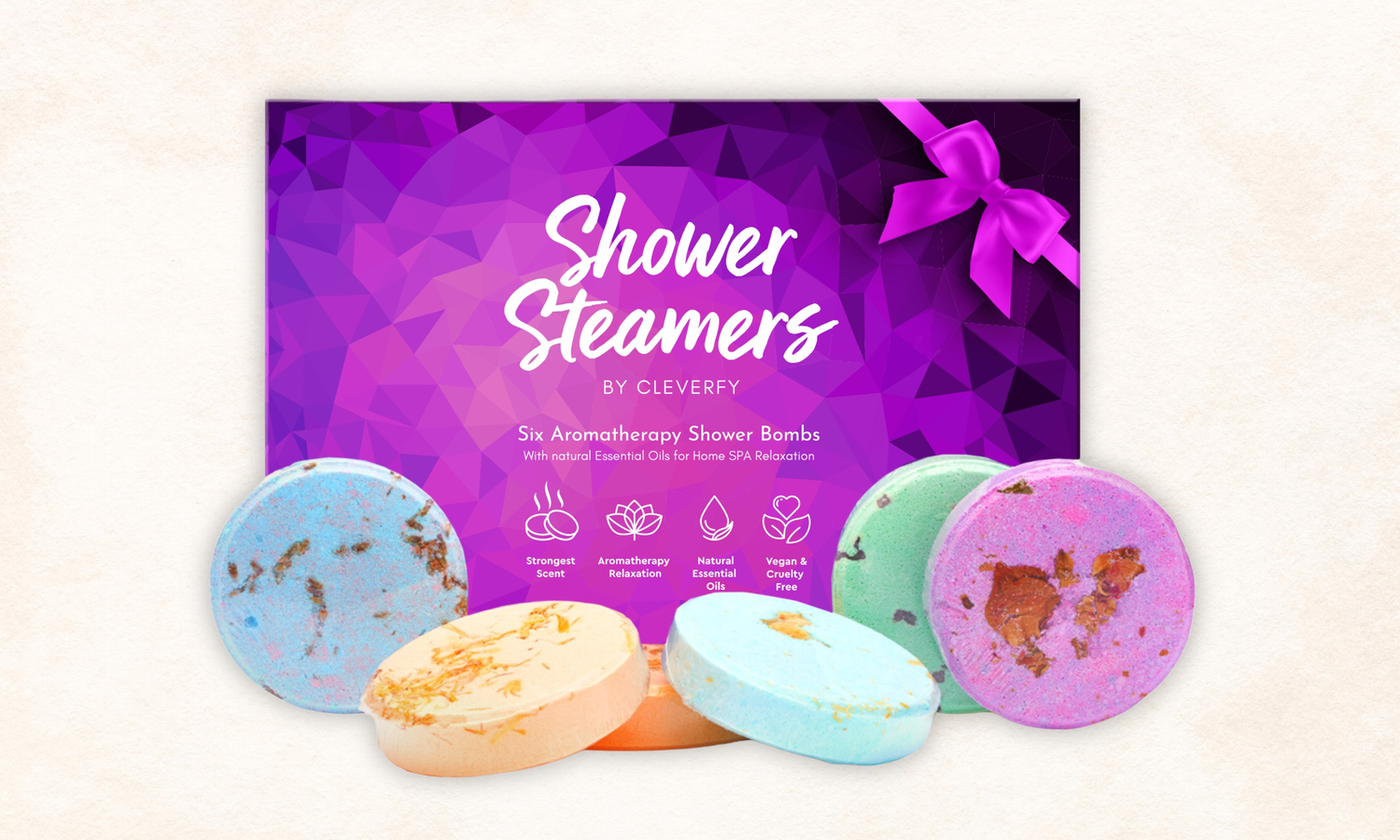
A good comfort add-on can still be practical. The Cleverfy Purple Gift Set of 6 Shower Steamers fits the same modular idea, with six shower steamers made with essential oils and a shower-first format that works as a wind-down item without taking much space.
The last check matters as much as the contents. Mainstream back-to-school checklists advise keeping a child's bag at no more than 10 to 15% of body weight, placing daily-use items in easy-to-reach pockets, and packing the night before. They also call out the usual failure points, overfilling, poor labeling, and not practicing how compartments and lunchboxes open before the first day. Those are the mistakes that create morning drama. Skip them.
Three Custom Kits for College, High School, and Busy Parents
The easiest way to build a kit that gets used is to stop forcing one setup on everyone. A college freshman, a high schooler, and a parent juggling several schedules run into different pressure points, so the kit has to answer different problems.
| Category | College Freshman | High Schooler | Busy Parent |
|---|---|---|---|
| Schoolwork spares | Charger, pencils, highlighter, paper clips | Small stapler, pencils, erasers, schedule copy | Printed schedule, pen, sticky note pad |
| Personal care | Deodorant, lip balm, spare socks, shower-friendly reset item | Deodorant, spare socks or underwear, lip balm | Lip balm, hand cream, mints, on-the-go snack |
| Emergency or comfort | Approved medicine, cash or change, charger backup | Approved medicine, emergency contacts card, cash or change | Small reset item for the car, tissues, cash, calm note |
College freshman kit
College life is mostly about cutting down on avoidable annoyance. Shared bathrooms, late-night study sessions, and cramped rooms punish messy packing fast. Put in one charger, a backup charger if you already own one, a small pouch of schoolwork spares, deodorant, lip balm, and a few emergency basics.
Keep the kit small enough to stay in a backpack or desk drawer. If it spills onto the dorm floor, it stops functioning as a kit and turns into clutter. For a freshman, the point is self-sufficiency, not overpacking.
A shower reset item also earns its place here. The Mindful Moments guide to using shower steamers as part of daily rituals fits that role well because it gives a quick mental break without taking much space.
High schooler kit
High schoolers need portability and discretion. A locker-friendly pouch with a small stapler, pencils, erasers, a schedule copy, deodorant, spare socks, and an emergency contacts card handles the usual problems without taking over the bag. Add cash or change only if it makes sense in your school environment.
A teen kit should feel useful, not babyish. If it looks like a toddler project, it stays in the backpack and never helps when the day goes sideways.
Busy parent kit
Parents need a kit that lives where stress happens. That usually means the car, the work bag, or a desk drawer. Put in a printed schedule, a pen, a snack, lip balm, and a small reset item that helps between school drop-off, errands, and the next meeting. A small pile of supplies will not fix a packed calendar, but it does keep one missed appointment from throwing off the whole day.
For parents who want a simple comfort item that still feels practical, a shower-steamer reset can fit the role too, especially if it is something they can use after the day settles.
The Overlooked Layer for Digital Fatigue and Emotional Reset
Most back-to-school kits stop at the physical basics. That's a mistake. Students are coming back to screen-heavy learning, parents are juggling packed calendars, and both groups are carrying more mental noise than a pouch of pens can fix. The kit has to support transitions, not just storage.

Build a no-phone zone on purpose
A paper planner, index cards, and a designated no-phone pouch do more than look old-fashioned. They give the brain one place to park information when the day gets fragmented. That matters for students moving between online assignments and in-person classes, and it matters for parents who keep checking messages while they're trying to leave the house.
The point is not to reject technology. It's to stop technology from swallowing every transition. Schools have, in some cases, overcorrected toward technology, and the practical response is to restore a little analog structure where it helps most. A written plan on paper is often easier to trust than another app you'll forget to open.
Use sensory comfort on purpose
A sensory comfort item should match the person, not the aesthetic. Some people want a soft fabric, some want a familiar scent, and some want a small object they can touch while they reset. A shower-based aromatherapy item can fit nicely into that role for someone who wants an easy evening routine, especially because it works inside a normal shower instead of requiring a bath.
You can also tie the kit to a simple routine instead of more stuff. One example is a calm-down card with three steps, “put the phone away, breathe, shower, sleep.” Another is a note that tells a teen who to contact if panic spikes. That's far more useful than a random handful of trendy supplies.
For a deeper routine idea, the Mindful Moments guide on daily rituals fits the same logic, because it treats calm as something you build into the day instead of something you wait to feel.
Keep the emotional plan specific
This is the part people skip, and it's the part that matters most when a student is overwhelmed. A teen who worries about friends, body changes, or a packed schedule does not need a prettier pencil case. They need a clear note that says what to do during a spiral, who to call, and which item helps them feel grounded.
Best practice: fewer items, clearer instructions. Specificity beats quantity every time.
Matching Scent Profiles and Pack Sizes to Each Kit
A shower steamer gives you the shower version of a bath-bomb routine, which is useful for students and parents who want a reset without adding another chore. That matters in a back-to-school kit because the point is speed, not pampering. You want something that cuts through decision fatigue, softens digital overload, and gives the day a clean stop point.
Choose the scent for the job
Use scent by function, not by habit.
- Wind-down scents: keep these for evening homework, the handoff from screen time to sleep, and the “I'm done for the day” moment.
- Invigorating scents: use these on slow mornings when someone needs a sharper start and less grogginess.
- Congestion-relief scents: save these for early-fall sniffles or allergy season, when comfort matters more than scent preference.
- Focus-oriented scents: bring these out for study blocks when a student needs a stronger cue to stay on task.
That's the simplest way to build this part of the kit. Don't throw in random scents and hope they cover every problem. Match the aroma to the job, then keep the routine tied to that same purpose. For a more detailed breakdown of which essential oil scents fit each mood, this guide to energize, relax, focus, and sleep better is the right reference point.
Pick the pack size by use case
A 6-pack makes sense for one student or a small gift. It fits neatly in a dorm, bathroom, or desk drawer without turning into clutter. An 18-pack works better when you want refills across a semester or when you are splitting sets into smaller kits for siblings, roommates, or care packages.
If you want fewer second guesses at checkout, Cleverfy's scent variety matters. Cleverfy says it ships to the U.S. and Canada, offers free U.S. shipping on orders of 50 USD and above, and includes a money-back guarantee. That makes it easier to try a multi-scent set as part of a back-to-school kit without treating the purchase like a gamble.
Use one set as a function, not a decoration
The purple six-tablet set includes Lavender, Watermelon and Vanilla, Grapefruit and Coconut, Menthol and Eucalyptus, Orange, and Peppermint, so it belongs in the “reset and refresh” lane, not the “extra clutter” lane. It fits a student who showers at night after practice, or a parent who needs a quick wind-down routine after the drop-off rush. In both cases, the set earns its space by solving a real stress point instead of sitting there looking organized.
Packaging and Gifting the Kit Without Overthinking It
People stall at the packaging step because they think it has to look curated from a boutique. It doesn't. It just has to look deliberate. The easiest way to do that is to choose one container, fill it in layers, and make the most useful items visible first.

College gift box
Use a simple box or sturdy bin. Put the charger, charger backup, and schoolwork spares on top so they're the first things the recipient sees. Tape a printed checklist to the inside lid, because that does the nagging for you without a repeated lecture.
If you want a handwritten card, keep it short. “Packed this so your first week is easier” lands better than a long speech. It sounds normal because it is normal.
Dorm drop bag
A labeled reusable bag is enough. Add a tag with the student's name, place the kit in sections, and keep the container light enough to carry from the car to the room in one trip. The point is speed, not ceremony.
If you're using a shower steamer set or another small reset item, tuck it near the personal-care zone so it's grouped with items the student will use. That makes the bag feel organized instead of random.
Parent self-care kit
This is the least dramatic version, and the one adults need most. Put the kit in the car or a desk drawer. Keep the snack, lip balm, printed schedule, and reset item visible so you grab them fast on the worst days.
For a compact add-on that isn't fussy, the new compact gift sets fit the same logic. Small, giftable, and easy to drop into a larger kit without changing the whole shape of it.
Budget Options and a Ready-to-Use Final Checklist
You do not need to overspend to build a useful kit. Spend where the friction shows up, skip the extras that sit untouched, and keep the whole thing easy to grab on a chaotic morning. That is the budget rule that holds up.

Budget tiers that work
- Under $15: buy one container, a few schoolwork spares, and one comfort item. A zip pouch, a spare pen, a mini eraser pack, and a lip balm or snack cover the basics without clutter.
- $15 to $40: add personal-care items, a printed schedule, and a better container that keeps things separated. A small pouch with sections, a travel deodorant, and a charger cable are better buys than decorative fillers.
- $40 and up: build a fuller gift kit, add a multi-scent set, and include enough refill items to last beyond the first week. This tier works best when the kit is meant to be opened often, not just admired once.
If you are using a multi-scent set as value, the pack size matters. A 6-pack makes sense for one student who will use the kit alone. A larger assortment fits better when you are splitting items across several kits or want extras ready for later refills. For a budget-minded build, compare single-use items against sets that can do more than one job, such as a charger backup that replaces multiple loose cords or a small reset item that gets used after school and again before bed.
Final checklist
- Container: backpack, pouch, bin, or bag
- Schoolwork spares: pencils, eraser, stapler, highlighter, schedule copy
- Personal care: deodorant, lip balm, spare socks, charger
- Emergency or comfort: approved medicine, cash or change, contact card, reset item
Use the checklist as a packing filter, not a decoration list. If the kit solves decision fatigue, cuts digital overload, and gives the person a fast emotional reset, it earns its spot. A kit that fits the user and gets used on the first hard day beats a prettier one every time.
Cleverfy Beauty makes shower steamer sets that fit neatly into a Back-to-School Survival Kit as a compact reset option for students or parents who want a simple wind-down routine. If you want a giftable add-on with scent variety, shipping into the U.S. and Canada, and a straightforward guarantee, visit Cleverfy Beauty and choose the set that matches the person you're packing for.

