

Fall Autumn Season Explained Dates Traditions and Wellness
The first cool morning of the season often sneaks up on you. You step into the shower a little sleepier than usual, notice the bathroom air feels drier, and realize your usual routine doesn't fit quite the same way it did in late summer. Outside, trees start shifting color. Inside, evenings feel darker sooner, and your body seems to notice before your calendar does.
That's why the fall autumn season matters as more than a backdrop for sweaters, candles, and pumpkin displays. It changes light, air, skin comfort, mood, and the way many people organize daily life. For a lot of households, September behaves less like an ending and more like a second new year. People restart habits, stock up on practical comforts, and look for simple rituals they can keep.
Table of Contents
- Welcome to the Fall Autumn Season
- When Is Fall and How Dates Differ Around the World
- Why Nature Changes in Fall
- Fall Traditions Activities and Ways to Celebrate
- How to Reset Your Routine for Shorter Days and Better Mood
- Fall Skincare Humidity and Aromatherapy Shower Steamer Rituals
- Make the Most of Fall With Thoughtful Gifts and Next Steps
Welcome to the Fall Autumn Season
One reason people love the fall autumn season is that it feels easy to recognize, even when it's hard to define in a single sentence. A school morning gets busier. The sun feels lower. A walk that felt casual in August suddenly calls for an extra layer. You may not think, “the Earth has reached a seasonal turning point,” but your routine often says it for you.

Fall carries both public and private meaning. Publicly, it's a recognizable season tied to harvest, changing daylight, and annual traditions. Privately, it's when people start asking quieter questions. Why am I more tired? Why does my skin feel tight after a hot shower? Why does the house feel stuffy once the heat kicks on?
Why fall feels bigger than a style trend
A lot of seasonal content stops at aesthetics. Leaves. Blankets. Warm drinks. Those things are lovely, but they only tell part of the story. Fall also marks a practical shift in how people care for themselves. It's a season of prevention, preparation, and small adjustments that make winter easier.
That's also why seasonal language matters. Some people even like pairing the mood of the season with journaling, memory-keeping, or photography captions. If you like that reflective side of autumn, these poetic quotes for fall photos can help put words to the feeling many people struggle to describe.
Practical rule: Treat early fall like a routine check-in, not just a decorating season.
What people usually get confused about
The most common confusion is simple. People ask when fall starts, why dates differ, and whether “equal day and night” is really true. Others assume the season is mostly about colder temperatures, when light and indoor air often affect daily comfort just as much.
This guide keeps it simple. You'll get the dates, the natural science, the traditions, and the wellness side of the season in plain language. Most of all, you'll leave with practical ideas for routines, home comfort, and thoughtful self-care that fit real life.
When Is Fall and How Dates Differ Around the World
A lot of people ask for one clean date. Fall does not work that neatly.
The confusion usually comes from using two different calendars for the same season. One tracks a precise sky event. The other uses fixed monthly blocks because they are easier for weather records, school schedules, and everyday planning. It works a bit like having a birthday and a fiscal quarter. Both are real. They just answer different questions.

The astronomical start of fall
Astronomical fall begins at the autumn equinox, the moment the Sun crosses the celestial equator. In 2026, that happens on Tuesday, September 22 at 8:05 p.m. EDT, which is Wednesday, September 23 at 00:05 UTC. The exact calendar date can land on September 22 or 23 depending on the year and your time zone. Places also usually get a little more than 12 hours of daylight on the equinox rather than a perfectly even split of day and night, as explained in BBC Weather's autumn equinox guide.
That last point trips people up. “Equinox” suggests a perfect balance, but real sunrise and sunset measurements are affected by how daylight is counted and how sunlight bends in the atmosphere.
The equinox marks a seasonal turning point, not a perfectly equal 12-hour day everywhere.
For wellness routines, this date matters because late September often acts like a reset cue. Days are shorter, evenings come earlier, and many homes start cycling through drier indoor air. That is why fall is useful to treat as a prevention season, not just a decorating season.
The season as a usable calendar block
Many weather services and calendars also use meteorological fall, which runs from September 1 through November 30. This fixed block makes seasonal records easier to compare from year to year. Astronomical fall, by contrast, starts at the equinox and continues until the winter solstice on about December 21 or 22 in the Northern Hemisphere, as summarized by the Royal Meteorological Society's explanation of the autumn equinox.
Here is the quick version:
| Definition | What it means |
|---|---|
| Astronomical fall | Starts at the September equinox |
| Meteorological fall | Runs from September 1 to November 30 |
| Northern Hemisphere fall | Happens around late September through late December |
| Southern Hemisphere fall | Occurs around March through late June |
If you are planning routines, the meteorological calendar is often the more practical one. A September start gives you time to adjust sleep, shower habits, skin care, and home humidity before winter discomfort builds.
Why dates differ by region
Location changes the experience of fall as much as the date. In the Northern Hemisphere, fall arrives while the Southern Hemisphere is entering spring. Farther from the equator, daylight drops more sharply, so the seasonal shift can feel sudden. Near the equator, the change is often subtler.
Culture shapes the feeling of the season too. Some communities treat the harvest, the school year, or the first stretch of cool dry weather as the beginning of fall. That is why two people can both be “right” when they talk about when autumn starts. One is using the sky. The other is using daily life.
Both ways are useful. One helps you understand the science. The other helps you decide when to start those small September reset habits that support mood, comfort, and skin before deeper cold sets in.
Why Nature Changes in Fall
Fall looks dramatic because several natural processes line up at once. Light changes, plant chemistry changes, temperatures shift, and animals start preparing for a harder season ahead. It can seem like nature suddenly flips a switch, but it's more like a carefully timed chain reaction.

Why leaves change color
Leaves look green in the growing season because chlorophyll does the heavy lifting. As daylight shortens in fall, many trees stop investing energy in keeping that green pigment active. Once the green fades, the yellows, oranges, and reds become easier to see.
A helpful analogy is a stage curtain. Summer keeps the green curtain pulled across the front. Fall draws it back and reveals colors that were there all along, or that become more visible during the transition.
Why the air feels different
Temperature shifts matter, but they aren't the whole story. Light changes first, and living things respond to that cue. Plants slow down, growth patterns change, and many start conserving energy for winter.
Animals respond too. Some migrate. Some gather food. Some change behavior in subtler ways, becoming more active at different times of day or more focused on shelter.
Here's the pattern in plain terms:
- Less daylight: Signals many plants to slow growth and begin seasonal shutdown.
- Cooler conditions: Support the crisp-air feeling many people associate with fall.
- Ripening cycles: Help explain why harvest season is so closely tied to autumn.
- Preparation mode: Pushes both ecosystems and households toward storing, sheltering, and simplifying.
Why fall can change how mornings feel
Nature's shift also affects human routines. Shorter daylight can make wake-ups feel heavier, especially when skies are dim and schedules stay packed. That's one reason some people add a sensory cue to morning hygiene, such as opening curtains early, stepping outside soon after waking, or pairing a shower with scents they associate with alertness.
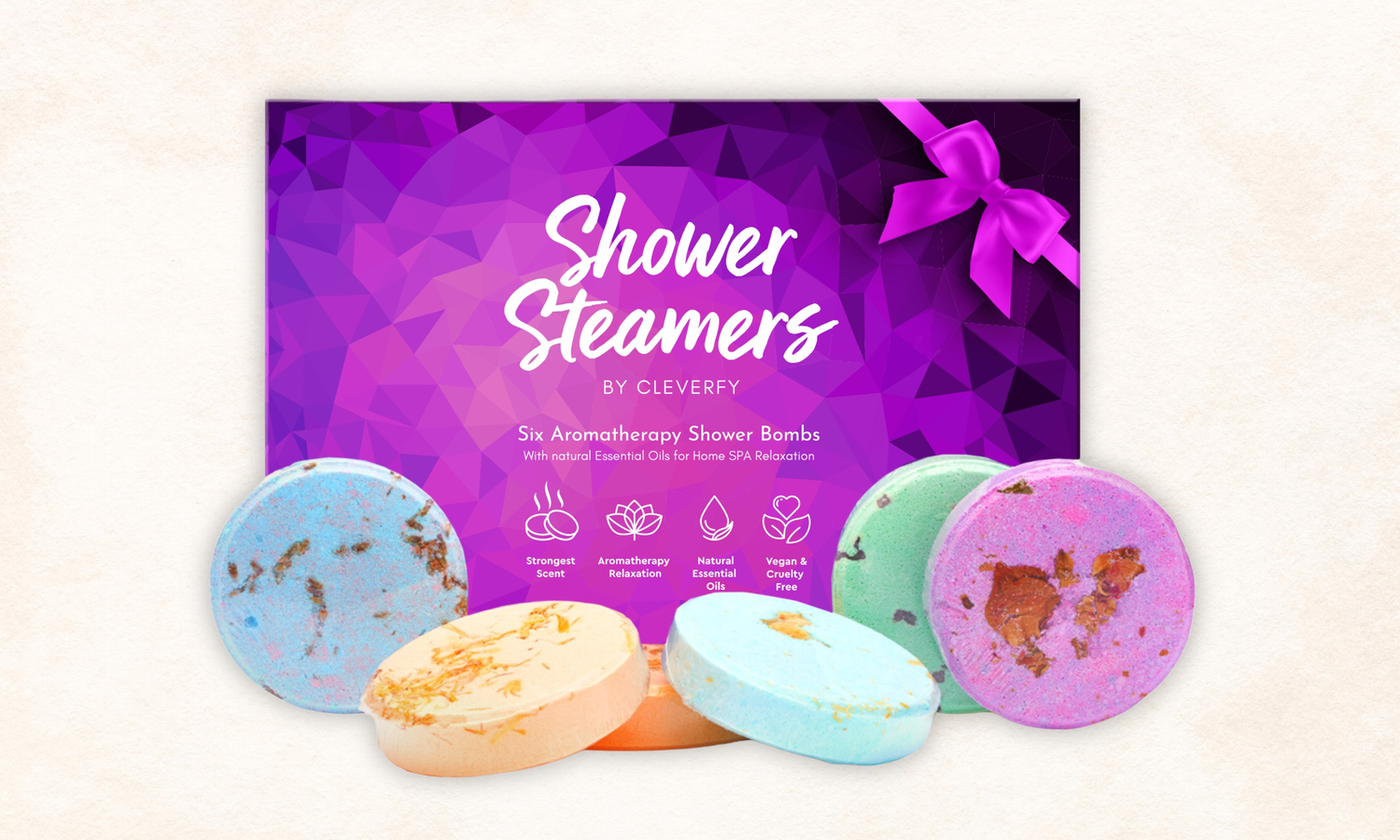
One shower-based example is Cleverfy Energy Boost Megapack of 18 Shower Steamers, described as an 18-tablet set for morning showers that you pop into the shower and turn on with water, made from pure essential oils, with scents including 6x Ginger & Orange, 6x Grapefruit, and 6x Cocoa & Orange. That kind of routine doesn't change the season itself. It gives your body a clearer signal that the day has started.
Seasonal change isn't only something you see in trees. It's something you often feel first in your own energy.
Fall Traditions Activities and Ways to Celebrate
Some seasons ask to be observed. Fall asks to be participated in. People walk slower under changing trees, cook foods that feel grounding, and gather in ways that mirror what nature is doing outside. The traditions vary by region, but many of them share the same theme. Notice what's changing, then mark it together.

Traditions that connect to the season
Harvest festivals are one of the clearest examples. They make sense because autumn has long been tied to gathering crops, storing food, and preparing for colder months. Even modern versions, like farmers markets, orchard visits, neighborhood fairs, and seasonal baking days, still carry that same practical spirit.
Many families also create tiny traditions that don't cost much. A foliage walk after dinner. A Saturday soup routine. A first-candle-of-the-season moment. A yearly photo in the same park.
If you like building atmosphere at home, this guide to seasonal candle inspiration offers scent and mood ideas that fit the season without turning everything into the same pumpkin-spice formula.
Everyday ways to celebrate without overcomplicating it
Not every fall ritual has to be a big outing. Often the most memorable ones are the easiest to repeat.
- Take a color walk: Pick one street, trail, or neighborhood loop and visit it weekly as the leaves shift.
- Make evenings softer: Use warmer lighting, put on music earlier, and let the home feel different after sunset.
- Host something simple: Soup, tea, cider, or a movie night counts. Fall gatherings don't need a theme to feel seasonal.
- Mark Halloween with care: If you want a wellness spin on spooky season, this Halloween shower steamer self-care idea shows how people can build a playful ritual around an ordinary shower.
Why these rituals matter
Traditions work because they give shape to transition. Fall can feel beautiful and unsettled at the same time. Schedules tighten. Darkness arrives earlier. People often feel the year speeding up.
Small rituals slow that down. They tell your mind, “we're in a new season now,” in a way that a calendar alone can't.
How to Reset Your Routine for Shorter Days and Better Mood
September has started to function like a second reset season for many people. Recent UK research found 44% of adults see September as the right time to restart healthy habits, 48% regret not investing in wellbeing before winter, purchases of cough-and-cold remedies rose 72%, and health checks rose 44% versus the prior month, according to this report on September wellness behavior. That pattern makes sense. People can feel winter approaching before winter arrives.

Start with the morning, not the to-do list
A fall reset works better when it begins with signals your body understands. Light, movement, temperature, and timing all matter.
Try this simple sequence:
- Get daylight early. Step outside or sit near natural light soon after waking.
- Move before you settle. A short walk, stretch, or quick house task can help shake off that heavy morning feeling.
- Keep breakfast and caffeine predictable. Autumn routines feel easier when mornings stop changing every day.
If you want ideas for building a routine you'll stick with, this article on creating healthy routines is a useful companion.
Protect the evening from accidental overstimulation
Fall evenings can get away from people fast. It gets dark sooner, work spills later, and screens fill the gap. Then bedtime feels oddly wired instead of restful.
A better approach is to create a visible transition into night:
- Lower the brightness: Lamps often feel gentler than overhead lights.
- Repeat one calming action: Shower, tea, journaling, reading, or gentle stretching all work.
- Stop chasing productivity late: Autumn often asks for steadier pacing, not more squeezing.
Evening cue: The goal isn't to make nights perfect. It's to make them recognizable.
Why mood can dip in late fall
The emotional side of autumn is real, even if it doesn't match the cozy images people post online. Independent coverage of a Purdue-linked study reported that mood dropped more sharply and stayed lower after the fall clock change than after the spring one, with average sentiment shifting from +5.65 during daylight saving time to -13.02 during standard time, as discussed in this fall consumer mood summary.
That doesn't mean everyone will struggle. It means your lower energy or flat mood may be a seasonal response, not a personal failure. When you treat fall as a support season instead of only a decorating season, your routines get kinder and more realistic.
Fall Skincare Humidity and Aromatherapy Shower Steamer Rituals
By mid-September, the signs often show up in small ways. Your face feels tight after a normal cleanse. Your hands seem rougher even though you have not changed soap. You wake up with a dry nose after the heat clicks on for the first few cool nights.
That shift is not just “fall weather.” It is often your indoor air changing faster than your routine.
As homes start heating up, indoor relative humidity can fall below 30%, and many seasonal skin guides place the more comfortable home range around 40 to 60%. Lower humidity can weaken the skin barrier and increase moisture loss, as noted in Cetaphil's seasonal skin guidance.
Skin reacts a bit like a sponge left on the counter instead of sealed in a container. It loses water to the surrounding air more easily. That helps explain why fall can bring tighter cheeks, rougher knuckles, and that dry, scratchy feeling around the nose before winter even begins.
The shower can help because it gives you a short, repeatable pocket of warmth and humidity inside a dry season. Research summarized in this review on humidity and airborne virus behavior found that lower humidity and cooler temperatures can support longer airborne persistence for some viruses, especially in poorly ventilated indoor spaces. A shower is not a medical treatment, but it can be a practical reset point in a month when daylight is shrinking, indoor air is drying out, and the body often appreciates simple comfort cues.
That is part of fall's prevention side. September is a good time to notice the environment early and respond before skin irritation, congestion, and low mood become your “normal” for the season.
A shower ritual that fits real life
Keep it simple enough to repeat.
- Use warm water, not very hot water. Hot showers can feel good in cool weather, but they can strip already dry skin faster.
- Moisturize soon after drying off. Skin holds onto water better when you seal it in while it is still slightly damp.
- Treat the shower as a cue, not just a task. A morning shower can signal “start,” and an evening shower can signal “power down.”
- Pair comfort with actual air care. If your home feels dry, check humidity and consider a humidifier rather than asking skincare to do all the work.
- Add shower aromatherapy if baths are not your thing. This guide to shower steamer benefits explains why some people use steamers as a bath-bomb-like option for a regular shower.
Scent can be useful here because it gives the brain a familiar cue. Citrus or mint often feels clearer in the morning. Lavender or eucalyptus may feel more settling at night, depending on your preference. The goal is not perfection. The goal is to make one healthy action easier to repeat when shorter days start draining momentum.
If you want a wider view of how seasonal changes can shape wellbeing habits, Solawave on seasonal light benefits is a helpful companion read.
A practical shower ritual also makes good fall self-care gifting because it is easy to use, tied to an existing routine, and suited to the season people are living through. Cozy can be nice. Useful comfort tends to last longer.
Make the Most of Fall With Thoughtful Gifts and Next Steps
The healthiest way to approach the fall autumn season is to stop treating it like background scenery. It's a real environmental shift. Light changes. Indoor air changes. Schedules tighten. Mood can wobble. People usually do better when they respond on purpose.
That response doesn't need to be dramatic. In fact, the best fall changes are often small enough to repeat without effort.
A simple fall checklist
| Focus area | Good next step |
|---|---|
| Home comfort | Check whether your indoor air feels overly dry once heating starts |
| Morning energy | Add one consistent cue after waking, such as light, movement, or a shower ritual |
| Evening mood | Create one repeatable wind-down habit before bed |
| Seasonal tradition | Choose one simple ritual you can return to each week |
| Gift giving | Pick something useful, sensory, and easy to enjoy in a regular routine |
Giftable self-care works especially well in fall because it meets the season people are living through. Practical comfort tends to land better than clutter. A shower-based wellness gift, a candle, a soft throw, or a small evening routine set can all make sense because they fit shorter days and more indoor time.
For different recipients, it helps to think by routine rather than by trend. A busy professional may want something that turns a fast shower into a reset. A teen may like a scent-forward self-care item that feels personal but low-pressure. Someone who loves spa rituals may appreciate a gift-ready set they can use throughout the season.
The thread running through all of it is simple. Fall is not only for looking cozy. It's for getting ready, feeling steadier, and caring for yourself before winter asks for more.
Cleverfy Beauty offers aromatherapy shower steamer tablets and gift-ready sets that fit naturally into the fall reset ideas in this guide, especially for people who want shower-based relaxation, morning energy cues, or easy self-care without needing a bathtub. If you're building your own autumn routine or picking a useful wellness gift, visit Cleverfy Beauty to explore the options.

