

Creating Healthy Routines That Actually Stick
You wake late, skip breakfast, answer messages while brushing your teeth, and promise yourself that tomorrow will be different. By evening, the ambitious routine you planned, exercise, meal preparation, meditation, journaling, and an early bedtime, has already become another source of guilt.
Creating healthy routines that survive real life doesn't require an hour-long morning ritual or perfect discipline. It requires stable cues, small behaviors, and enough repetition for the routine to become familiar. A shower can become that reliable starting point, especially when a pleasant two-minute sensory ritual gives you a reason to begin even on a rushed day.
Table of Contents
- Why Most Healthy Routines Fall Apart Quickly
- The Foundation for Routines That Last
- Designing Your Morning and Evening Anchors
- The Shower First Micro Ritual for Busy Days
- Troubleshooting Common Barriers and Staying Consistent
- Your Sustainable Routine Template and Next Steps
Why Most Healthy Routines Fall Apart Quickly
A client once described her mornings as a daily negotiation. She wanted to stretch, drink water, prepare a balanced breakfast, and review her priorities before work. Her wake-up time shifted, her children needed different things, and one late night disrupted the whole plan. By the time she reached the kitchen, the routine felt like another test she had failed.
The issue was the routine's design. It contained too many moving parts and no dependable starting cue. On changing mornings, each step required a fresh decision, so one interruption could push the entire plan aside. A shower-first ritual gives the routine a steadier entry point, especially when two minutes of aromatherapy make beginning feel pleasant rather than demanding.
Here's what the research says about why these plans break down.

The timeline is longer than popular advice suggests
The familiar “21-day” habit idea sets people up for disappointment. A 2024 systematic review of 20 studies involving 2,601 participants found median habit-formation times of 59 to 66 days, mean times of 106 to 154 days, and individual estimates ranging from 4 to 335 days (systematic review of habit formation). Its practical lesson is clear. A routine may need roughly 2 to 5 months of repeated practice before it feels more automatic, while some behaviors take longer.
That range changes how early setbacks should be interpreted. Difficulty during the first weeks does not prove the routine has failed. The behavior may still be building familiarity, and complexity, context, and consistency influence how quickly it becomes easier.
Why smaller beats bigger
Overhauling sleep, food, exercise, hydration, screen use, and self-care at once creates competing demands. Missing one workout can make the whole plan feel broken, even when a smaller behavior could have continued.
Start with one action attached to something that already happens. “After I turn on the shower, I'll take two quiet minutes before rushing into the rest of the day” gives you a cue, a behavior, and a context. Adding a familiar scent can strengthen that two-minute anchor without turning the morning into an hour-long project.
Practical rule: Measure success by returning to the same cue, not by feeling motivated every day.
The Foundation for Routines That Last
A routine survives busy days when its structure is simple: a cue you can predict, a behavior small enough to repeat, a reason that matters to you, and a reward you can notice. That structure favors a two-minute shower ritual over an idealized hour-long morning routine.
Choose the cue before choosing the habit
A useful cue is stable, visible, and already part of your day. Turning on the shower, placing your toothbrush on the counter, finishing lunch, or plugging in your phone at night gives the behavior a clear starting point. A fixed clock time can disappear when meetings run late or sleep shifts. “After I step into the shower” remains workable across more kinds of mornings.
Choose an anchor that occurs often enough to provide regular practice. Keep the behavior in the same setting whenever possible, then adjust the timing only when real life requires it. Consistency of context matters more than a perfect schedule.
Make the first action almost too easy
Low energy should not cancel the routine before it begins. Start with one glass of water, a brief stretch, one minute of slow breathing, or placing walking shoes by the door. Expand the practice only after the smallest version feels dependable. The first version must be easy to complete.
Predictable windows can also help when attention is scattered. Scheduling blocks of time for focus can protect a short movement session or quiet period without forcing every minute into a rigid timetable. The trade-off is clear: a block provides protection, while an anchor tied to an existing action requires less scheduling.
Use an If-Then plan with flexibility
Implementation intentions follow the format “If situation X happens, then I will do Y.” Research has found that using this format daily can increase repetition of a target behavior in the same situation and strengthen automaticity (implementation-intention research). Planning works best when it includes a smaller response for disrupted days.
- Stable day: If I turn on the shower, then I'll spend two minutes on a calming or energizing ritual.
- Disrupted day: If the shower becomes rushed, then I'll take three slow breaths while drying off.
- Missed cue: If I miss the morning shower, then I'll attach the behavior to my evening shower instead.
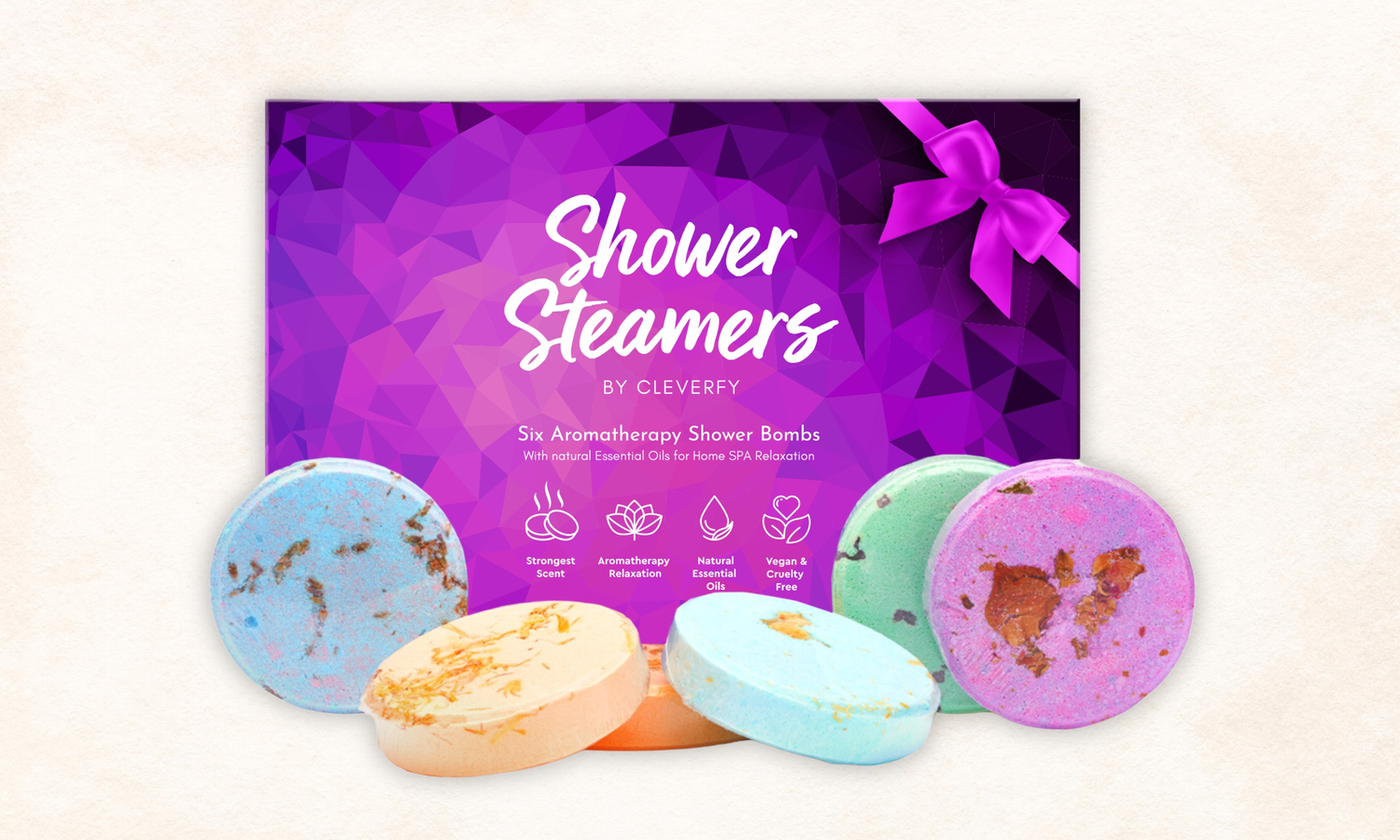
This backup plan protects continuity without pretending every day will follow the ideal version. For more guidance on changing an old pattern, see this resource on creating and replacing habits. A shower-based option, the Cleverfy Energy Boost Megapack of 18 Shower Steamers, includes ginger and orange, grapefruit, and cocoa and orange scents, with tablets designed for morning showers.

Designing Your Morning and Evening Anchors
A routine becomes easier to keep when its first cue is already part of the day. Sleep provides that frame. Public-health guidance recommends consistent bedtimes and wake times, limiting weekend shifts to about one hour, and using the hour before bed for quiet activities (CDC health-risk behavior guidance). Caffeine can affect sleep for up to 8 hours, so late-day coffee may work against an evening anchor.

Build the morning from a fixed starting point
Select a morning event that still occurs on difficult days, such as waking, using the bathroom, or turning on the shower. Attach one small action to it, rather than building an hour-long sequence that collapses when time is short.
A workable minimum might include:
- Wake at a consistent time: Keep weekday and weekend timing reasonably close.
- Drink water: Put a glass somewhere visible before you reach for your phone.
- Move briefly: Stretch, walk around the room, or complete gentle bodyweight movements.
- Choose one priority: Write the day's most important task before opening notifications.
With more time, extend the movement or prepare food. On a rushed morning, reduce the duration while keeping the same cue and order. A two-minute shower-based sensory ritual can also mark the start of the day without requiring a separate appointment. These morning routine ideas offer practical combinations to adapt.
Give the evening a quiet landing
An evening routine should lower stimulation and make tomorrow easier. Dim the lights, choose a quiet activity, prepare what you need for the morning, and keep caffeine earlier when possible. Reading briefly or writing a simple journal entry can signal that work and scrolling are finished.
Oral care offers another dependable sequence. If you are unsure about the flossing before brushing order, choose one order and repeat it nightly. Removing the decision matters when you are tired.
Parents and shift workers often need two versions. The full routine may include reading and preparation. The minimum version can be quiet lighting, oral care, and placing the phone away from the bed. Protecting the cue is more useful than trying to perform an ideal schedule every night.
Plan movement across the week as well as within each day. The World Health Organization recommends that adults aged 18 to 64 complete 150 to 300 minutes of moderate-intensity aerobic activity each week, or 75 to 150 minutes of vigorous activity, plus muscle-strengthening activities at least 2 times per week (WHO activity guidance and CDC FastStats). Use these benchmarks to shape a realistic weekly plan, not to abandon the routine after a difficult week. A short walk or brief mobility session can preserve the pattern when a full workout is unavailable.
The Shower First Micro Ritual for Busy Days
The shower is useful as a routine anchor because it already has a clear beginning and end. You don't need to add a separate meditation appointment, commute to a class, or create a special room. You can use the existing transition from sleep or work into the day as a two-minute aromatherapy micro-ritual.

Place a shower steamer tablet on the shower floor where it receives some water but isn't directly under the strongest stream. As it dissolves, the steam carries its scent through the shower, creating a bath-bomb-like aromatherapy experience without requiring a bathtub. Follow the product's directions, keep the tablet away from the drain if that causes a slipping concern, and stop using any scent that irritates your skin or breathing.
Match the scent to the job
The ritual works best when the sensory cue has a defined purpose. Choose one intention for the shower rather than expecting a scent to solve every wellness goal.
- Morning activation: Use a bright citrus or spice profile while taking slow breaths and naming the first task.
- Stress transition: Choose a softer scent and relax your shoulders during the first part of the shower.
- Evening wind-down: Pair a gentler aroma with dim lighting and no work messages after you finish.
The benefit here is behavioral, not magical. A pleasant cue can make repetition more inviting, while the shower removes a major time barrier. The ritual doesn't replace sleep, movement, medical care, or mental-health support. It gives you a small moment that you can repeat in an existing context.
Use the same placement and sequence for several weeks. Turn on the water, place the tablet, take two quiet minutes, then continue washing. If the full version feels like too much, keep only the scent and three slow breaths. Guidance on using shower steamers as part of a broader self-improvement routine can help you connect the ritual to a larger goal without making the morning complicated.
Troubleshooting Common Barriers and Staying Consistent
A routine can be sensible and still stop working when the cue disappears, the task takes too long, or the day becomes unpredictable. Identify the failure point before changing the whole plan. The right fix is often a smaller version attached to a steadier event, such as turning on the shower.
As noted earlier, individual timelines for habit formation vary widely. A slow start does not prove failure. The behavior may need a clearer context, more repetitions, or a smaller entry point. Caregiving, stress, and limited sleep can also make a maintenance version more realistic for a period.

Use the barrier to choose the adjustment
Ask one question: What specifically made the routine difficult today?
| Barrier | Better adjustment |
|---|---|
| The cue changed | Attach the behavior to a more dependable event |
| The routine took too long | Remove one step and keep the smallest version |
| The environment became unpredictable | Add an If-Then backup plan |
| The behavior feels dull | Vary the music, route, scent, or setting while keeping the cue |
| Energy is very low | Use a maintenance version rather than quitting |
A fixed plan suits a stable schedule. It becomes harder to follow when work, family needs, or sleep change from day to day. Keep the intention steady while allowing the action to shrink or change shape. A two-minute shower aroma, followed by three slow breaths, may preserve the cue on a difficult morning better than skipping the routine entirely.
Treat movement as a progression, not a verdict
Exercise guidance can become an all-or-nothing test. One missed session then turns into a lost week. Schedule movement in forms that fit your current time and energy, then build toward the weekly benchmark as those resources allow.
Small adjustments can matter when repeated. Coverage of the UK Biobank research associated small daily improvements in sleep, exercise, and diet quality with meaningful differences in healthy lifespan, including an association between roughly 5 additional minutes of sleep, 1.9 additional minutes of exercise, and a small diet-quality improvement and about one additional year of life (coverage of the UK Biobank research). The finding supports gradual change, not a promise that one person's routine will produce a particular result.
Missed days are information. They are not a command to start over from zero.
Review the routine after two weeks. If the cue remains dependable and the behavior feels manageable, continue. If completion is rare because the action is too large, reduce it. During an unusually demanding season, pause expansion and use the maintenance version until conditions improve.
Your Sustainable Routine Template and Next Steps
Use this template today, not after you design a perfect schedule:
- Morning cue: After I __________, I will __________.
- Shower ritual: When I turn on the water, I will spend two minutes __________.
- Evening cue: After I __________, I will prepare for sleep by __________.
- Backup plan: If my usual cue disappears, I will attach the smallest version to __________.
- Tracking prompt: Did I repeat the behavior in the same context, and did it feel easier to begin?
For the next seven days, choose one morning behavior, one shower micro-ritual, and one evening action. Mark completion without scoring quality. A rushed version still counts if it preserves the cue and behavior.
After two weeks, ask whether the routine fits your actual life. Don't scale up because you had a few successful days. Add time, intensity, or complexity only when the smallest version feels easy to begin. Keep wake, meal, work, and sleep timing as regular as your circumstances allow, and let the routine grow through repetition rather than pressure.
The most useful next action is simple: place the item you need for tomorrow's routine beside your shower tonight, write your If-Then sentence, and decide what the maintenance version will be before the day becomes difficult.
Cleverfy Beauty offers aromatherapy shower steamer tablets and wellness accessories designed to fit naturally into shower-based self-care routines. Visit Cleverfy Beauty to explore scent sets that can turn an existing shower into a low-friction daily cue.

