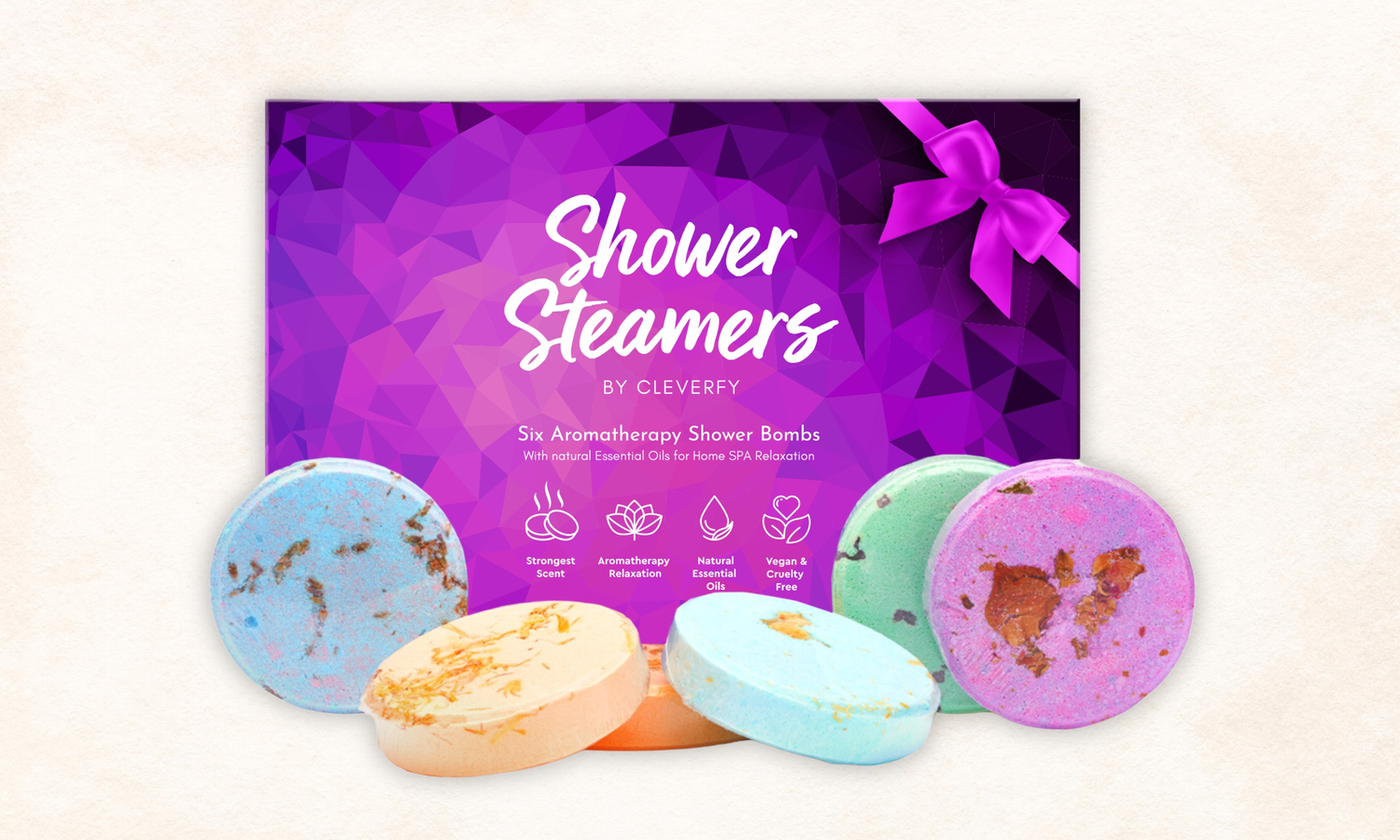


Mindful Living Made Easy with Aromatherapy Gift Ideas
You're between meetings, running on coffee, and trying to make ten quiet minutes feel like a real break. The shower is already hot. You close your eyes, let the steam rise, and notice eucalyptus opening the air around you. Nothing about the moment looks like a formal wellness practice, yet your attention has finally returned to your body.
That's mindful living in a useful form. It isn't reserved for long retreats, silent rooms, or perfect morning routines. It's built from small rituals you can repeat when your schedule is fragmented. For gift-givers, that changes the question from “What looks relaxing?” to “What can this person realistically use?”
Table of Contents
- Why Mindful Living Starts with How You Give the Gift
- The Rise of Mindfulness and the Wellness Gift Boom
- Four Stress-Relief Gift Categories Worth Knowing
- Comparing the Categories Side by Side
- Matching the Gift to the Recipient and Stress Type
- Why Shower Steamers Stand Out for Busy Minds
- Ready-Made Gift Bundles for Every Occasion
- A Simple Checklist and Answers to Common Questions
Why Mindful Living Starts with How You Give the Gift
A beautiful candle can sit untouched on a shelf. A carefully chosen shower steamer may become part of someone's Tuesday morning. The difference isn't only the product. It's whether the gift fits the recipient's available time, privacy, energy, and existing habits.
Consider an overworked parent who finishes the day by rushing through a shower before helping with homework. A meditation cushion might represent a practice they want, but it also asks them to create a quiet block they don't currently have. A shower steamer asks for less. They place it near the water, step into a routine already happening, and use the steam as a cue to slow their breathing and notice the moment.
Practical rule: Give a ritual that removes friction, not another task that requires motivation.
Mindful living works through repetition. A person can notice the water on their shoulders, follow one breath, identify the scent, and let an intrusive thought pass without judging it. That pause may be brief, but it gives the nervous system and attention a consistent transition between “doing” and “resting.”
The gift also communicates something personal. Choosing a format for a frequent traveler, a new parent, a restless sleeper, or a wellness enthusiast shows that you've considered how they live. A useful guide to choosing thoughtful presents for different relationships is this gift guide for friends, family, and colleagues, especially when you want the item to feel personal rather than interchangeable.
Before buying, ask three questions:
- Where will they use it? A shared bathroom, bedroom, office, or suitcase each calls for a different format.
- How much time do they have? A short shower ritual suits a different recipient than a person who enjoys extended evening routines.
- What kind of stress follows them? Burnout, racing thoughts, sleep trouble, and low-grade tension need different cues.
The most mindful gift doesn't promise to transform someone's life. It gives them a realistic doorway into a calmer moment.
The Rise of Mindfulness and the Wellness Gift Boom
A busy recipient may want a calmer daily rhythm without adding another appointment. That practical need explains why mindfulness has moved from formal programs into ordinary gift choices.
Modern mindfulness gained a structured medical setting in 1979, when Jon Kabat-Zinn opened the Mindfulness-Based Stress Reduction Clinic at the University of Massachusetts Medical School. The milestone helped connect mindfulness with health care, including pain and depression management, according to the historical account collected by the BBC.
Since then, meditation has spread well beyond clinical settings. In the United States, use rose from 7.5% of adults in 2002 to 17.3% in 2022, more than doubling over that period. A peer-reviewed analysis cited in the same overview estimated that 18.3% of U.S. adults, or about 60.53 million people, used meditation in 2022, while yoga reached 16.8%, or 55.78 million adults.
That reach changes how you should choose a wellness gift. Mindful living now appears in homes, workplaces, bedrooms, bathrooms, and travel bags. Recipients often need a sensory cue that fits an existing routine, whether the goal is leaving work mode, preparing for sleep, or making a crowded day more manageable.
A 2025 global survey found that 35% of people worldwide meditate at least sometimes, compared with 29% in 2018. It also reported that 40% of adults aged 18 to 24 meditated, compared with 26% of adults aged 65 and older. The survey linked regular mindfulness practice with attempts to feel better among people experiencing loneliness, irritability or depression, sleep difficulty, or fatigue. Those findings appear in the 2025 mindfulness survey from WIN World Survey.
From formal practice to daily cue
Aromatherapy gifts make mindfulness concrete. Scent can signal the end of a workday, while warm steam can mark the move into rest. A diffuser can support breathing, journaling, or quiet attention in a desk or bedroom.
Choose the format according to the recipient's time budget. Someone who showers daily may use a steamer more often than an elaborate kit that needs setup. A person building a home practice may prefer a diffuser and accept the extra preparation. For busy minds, shower steamers offer the lowest-effort, highest-frequency entry point. The right gift connects a sensory object to a routine the recipient already follows.
Four Stress-Relief Gift Categories Worth Knowing
The format determines how much effort the recipient must spend before relaxation can begin. These four categories cover most aromatherapy gifting decisions.
Aromatherapy shower steamers
A shower steamer is a dissolvable tablet placed on the shower floor, away from the strongest water stream. As it breaks down, steam carries the aroma through the bathroom. The routine takes place inside an existing shower, so it suits burnout, acute tension, and overloaded schedules.
Use an energizing scent in the morning or a softer profile in the evening. The mindfulness cue is simple: notice the aroma, feel the water, and take a few unhurried breaths. The format is particularly suitable for someone who wants self-care but won't protect a separate appointment with it.
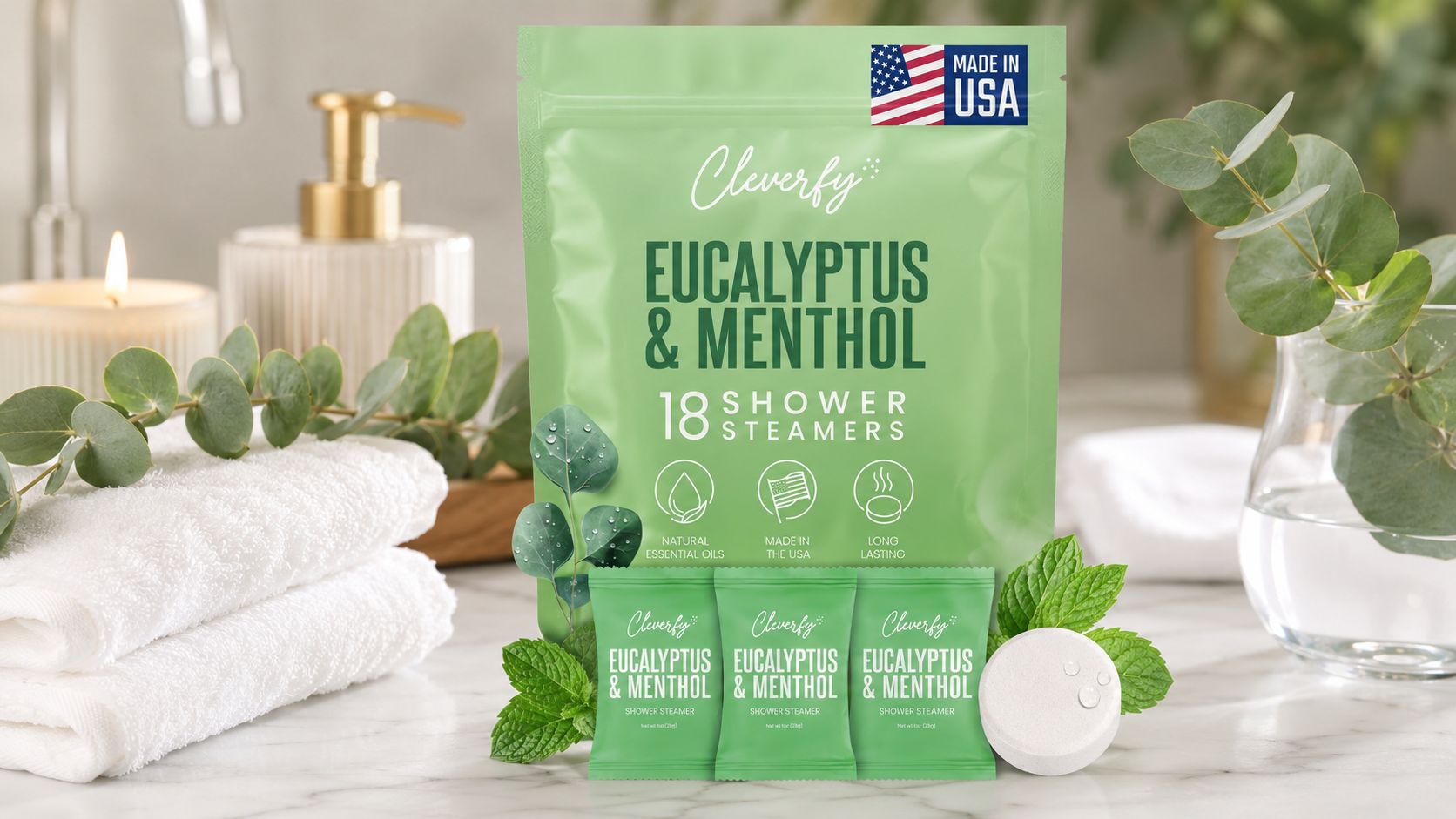
For a concrete example, the Cleverfy Eucalyptus and Menthol Megapack of 18 Shower Steamers contains 18 tablets with menthol and eucalyptus scents. The catalog describes them as made with pure essential oils, vegan and cruelty-free, and designed to be used by placing one tablet in the shower.
Essential oil diffusers
A diffuser scents a room for a longer period and works best for someone with a stable bedroom, office, or meditation corner. It addresses chronic low-grade tension by changing the atmosphere around a repeated activity. The trade-off is setup. The recipient must fill, clean, position, and remember to operate the device.
Diffusers make sense for enthusiasts who enjoy intentional routines or shared spaces where several people can appreciate the scent. They're less suitable for people who dislike maintenance or move frequently.
Sleep kits
A sleep kit may combine a pillow mist, eye mask, calming scent, journal, or another bedtime cue. It targets racing thoughts and sleep-related anxiety, but it shouldn't be presented as a guaranteed insomnia solution. Research suggests mindfulness can reduce pre-sleep arousal and perceived insomnia symptoms, while objective sleep measures often don't improve consistently, as discussed in this review of mindfulness and sleep disturbance.
If you're choosing a symbolic object rather than a consumable, explore symbolic statues as mindful presents. That option suits a recipient who values visual reminders and contemplative spaces.
Self-care subscriptions
A subscription delivers variety over time, which makes it attractive to a wellness enthusiast who enjoys discovery. It can address decision fatigue by curating the next ritual, but personalization is limited and unused products can accumulate. Choose it for someone who likes surprises, not for a minimalist who wants one reliable item.
Comparing the Categories Side by Side
Use the table as a practical decision matrix. “Time per session” refers to the active ritual, not the time needed to purchase or unwrap the gift.
Stress-Relief Gift Categories Compared
| Category | Time Per Session | Effort Required | Best For | Frequency of Use |
|---|---|---|---|---|
| Shower steamers | Brief, built into a shower | Low | Busy people, acute tension, burnout | High if the recipient showers regularly |
| Diffusers | Extended room-based use | Moderate | Enthusiasts, workspaces, bedrooms | Regular when setup becomes habitual |
| Sleep kits | Short bedtime routine | Low to moderate | Racing thoughts and nighttime stress | Nightly or occasional |
| Self-care subscriptions | Varies by item | Moderate, requires engagement | Curious wellness enthusiasts | Periodic, depending on the box |
Shower steamers offer the lowest setup burden. The recipient doesn't need to reserve a room, prepare a surface, or learn a new device. Their main limitation is that the experience ends with the shower, so they're not designed to scent a room throughout the day.
Diffusers offer more environmental control. They can support a longer practice in a workspace or bedroom, but water, oils, electrical access, and cleaning create more steps. That makes them a stronger fit for an intentional hobbyist than for someone whose stress comes from having too many tasks already.
Sleep kits sit between convenience and discipline. The items are easy to use, yet the recipient must remember to use them before bed and tolerate the scent near their face. Subscriptions provide variety, but variety can become clutter when the recipient prefers familiar, repeatable cues.
The right question isn't which format is most luxurious. It's which format the recipient will reach for without being reminded.
Price should be judged qualitatively here because a thoughtful gift can be a single item, a small pairing, or a larger assortment. Personalization usually falls as bundle size and variety increase, while convenience tends to rise. Match the format to the person's tolerance for choice.
Matching the Gift to the Recipient and Stress Type
Start with the stress pattern, not the product category. A person may say they want to relax, but their daily obstacle could be time pressure, anticipatory worry, poor sleep, or too many decisions.
The overworked parent
For a parent who moves from work to meals to bedtime without a clean pause, choose shower steamers. The dominant pattern is acute tension layered over exhaustion. A shower-based ritual is more realistic than a diffuser because it doesn't require a dedicated surface or quiet room.
A bright citrus or mint profile can suit a morning reset. A softer botanical scent may fit an evening shower. Add a small note that says, “Take this shower for yourself,” rather than giving instructions about how the person should manage stress.
The meditation-curious partner
A partner setting up a home practice may enjoy a diffuser with a starter selection of oils. Their stress pattern is anticipatory anxiety, often felt before a focused activity begins. The diffuser can become a consistent environmental marker for sitting, breathing, journaling, or reading.
This gift requires more participation, so it's only a good match if the recipient likes arranging a space. If they've already bought a cushion, cleared a corner, or talked about creating a practice, the setup is likely to feel supportive rather than burdensome.
The colleague who can't switch off at night
For someone whose stress peaks at bedtime, a sleep kit is the clearest fit. The dominant issue is sleep deprivation combined with mental replay. Include a calming scent, a comfortable eye mask, and a simple journal for offloading thoughts.
Keep the promise modest. Mindfulness-based approaches may help with perceived stress and pre-sleep arousal, but evidence on objective sleep outcomes is uneven, particularly for chronic sleep problems, as described in the sleep review indexed by PubMed.
The wellness enthusiast
A person who loves trying new rituals may appreciate a self-care subscription. Their stress pattern is decision fatigue, and curated variety gives them a fresh prompt without requiring them to browse for the next idea. It's a poor match for someone sensitive to fragrance or reluctant to collect products.
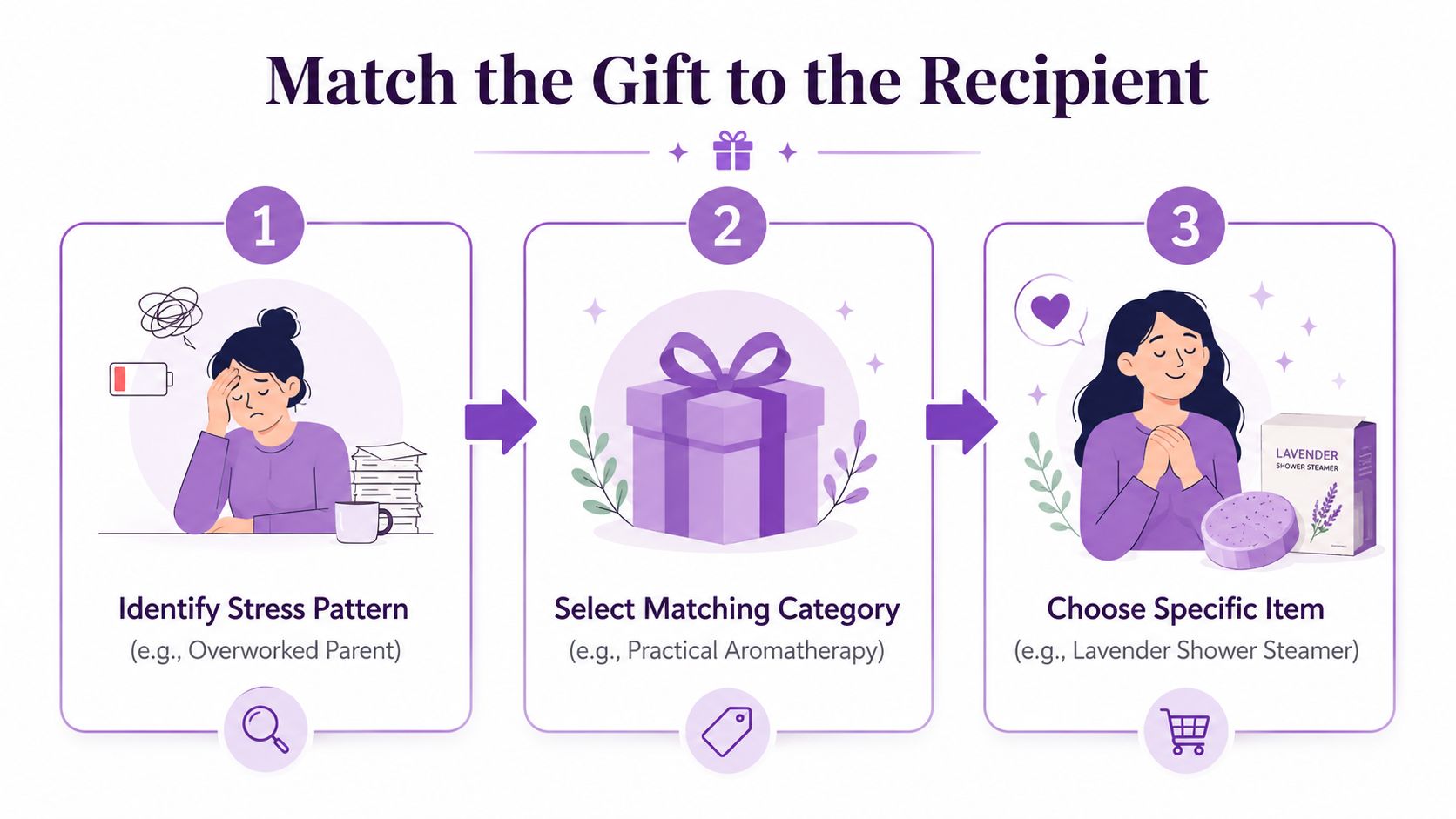
One recipient can benefit from layered formats. Start with steamers for frequent use, then add a sleep cue or diffuser only if the person enjoys the first ritual. Mindful living grows more reliably from one repeated behavior than from a crowded collection.
Why Shower Steamers Stand Out for Busy Minds
Shower steamers make the strongest case when the time budget is tight. They attach aromatherapy to a routine the recipient already performs, turning a brief shower into a sensory pause without asking them to download an app, light a candle, or protect a separate calendar block.
The mechanism is simple. Place the tablet on the shower floor where water reaches it gradually, then let the steam carry the aroma. The recipient can use the scent as an attention anchor, noticing the breath, the temperature, and the physical sensation of standing under the water.
This is why I recommend steamers first for busy people. The effort-to-relaxation ratio matters more than how elaborate the packaging looks. A diffuser requires filling and maintenance. A sleep kit depends on bedtime discipline. A subscription depends on the recipient opening the box and deciding what to do with it.
The format also supports frequency. A person who showers most days has a predictable opportunity to use the gift. That doesn't prove the product will improve sleep or resolve anxiety, but it does make the ritual easier to repeat, and repetition is central to turning attention training into a daily habit.
For practical guidance on using the format as a short reset, see this five-minute shower steamer stress-relief routine.
The trade-offs to discuss honestly
Steamers aren't suitable for everyone. Strong fragrance can bother people with scent sensitivity, and shared bathrooms require consideration of other household members. A tablet should stay on the floor rather than being rubbed directly onto skin, and recipients should follow the product's ingredient and usage guidance.
Humidity can also change how quickly a steamer dissolves. Placement controls the experience: closer to direct water creates a faster release, while a less exposed spot creates a gentler one. If the recipient is skeptical of wellness language, describe it as a scented shower ritual, not a cure.
The point isn't that steamers replace meditation, therapy, medical care, or sleep treatment. They're a practical cue for a person who needs a pause but won't create an elaborate ceremony. A gift earns its place by being used.
Ready-Made Gift Bundles for Every Occasion
A bundle works when each item has a job. Don't fill a box with unrelated wellness objects. Pair one primary ritual with one supporting cue and a handwritten message that makes the occasion specific.
Birthday reset for a friend
Choose a birthday reset bundle for someone navigating a move, new job, breakup, or another high-change season. Use shower steamers with a fresh eucalyptus or citrus profile, add a small notebook, and place everything in a linen pouch or kraft box.
Write: “For the days when everything feels new, take one quiet shower before you solve the next problem.” A compact bundle is easier to personalize and less likely to overwhelm than a large assortment.
Holiday hostess gift
For a colleague or host who never slows down, use a holiday wind-down bundle. Select calming shower steamers, add a sleep mask or herbal tea, and choose simple packaging that doesn't create extra work.
The trade-off is scent preference. If you don't know what they like, avoid an intense single-note fragrance and include a short note explaining that they can use the item whenever it suits them. More products don't make the gesture more thoughtful if the recipient can't use them.
Graduation self-care kit
A new graduate entering a demanding role may need an easy transition ritual. Pair an energizing morning steamer with a pocket journal and package it in a sturdy kraft box that can travel between a first apartment and an office.
Write: “Your schedule can be ambitious without taking every minute.” Keep this set focused. A graduate already faces many choices, so a small, clearly designed kit is more useful than a large collection.
Quiet milestone set for a caregiver
Caregivers often receive practical help but little private recognition. Create a quiet milestone set with gentle shower steamers, a soft eye mask, and a note that acknowledges their effort without asking them to be cheerful.
For more pairing ideas, browse these aromatherapy gift sets. Choose a smaller set when you're unsure about scent, and a larger assortment only when you know the recipient enjoys variety.
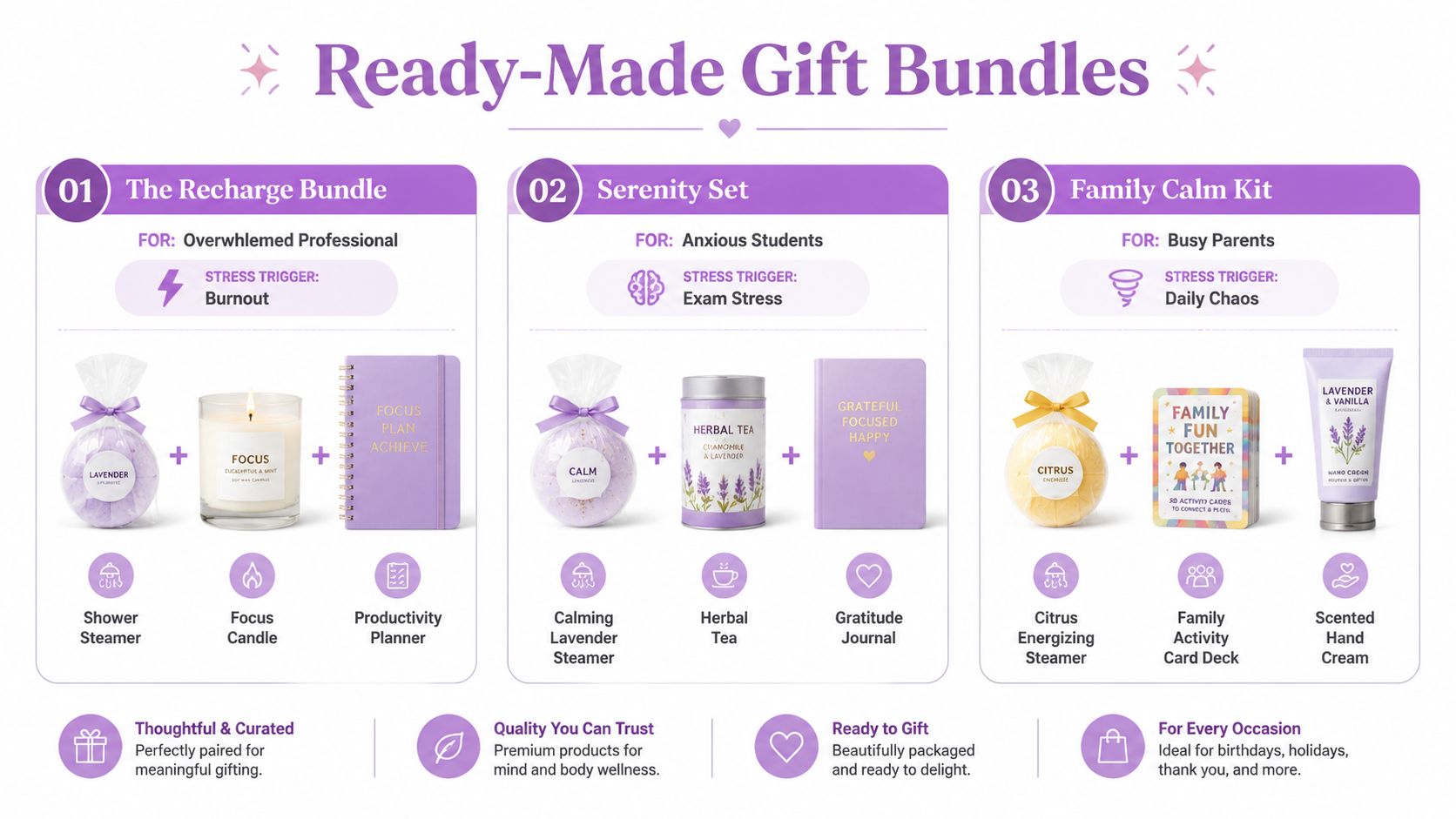
The best packaging cue is the one that makes the ritual easy to begin. A pouch belongs near toiletries. A sleep set belongs on the nightstand. A journal should open easily. Put the gift where the recipient will see the next action.
A Simple Checklist and Answers to Common Questions
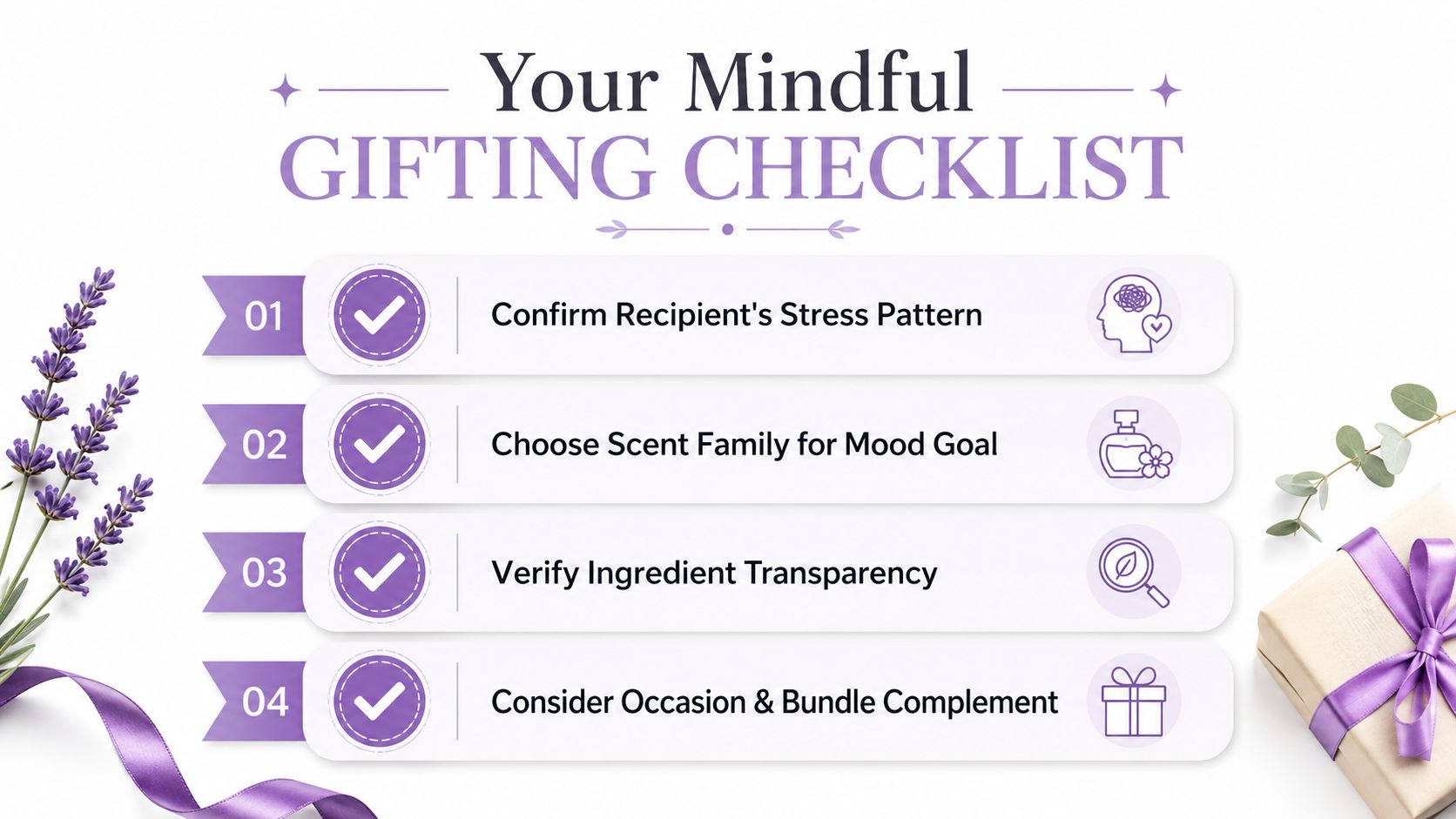
Use this checklist before you buy:
- Confirm the stress pattern: Decide whether the recipient needs a quick reset, a sleep cue, a room-based ritual, or variety.
- Choose the scent family: Match invigorating profiles with morning use and calming profiles with evening routines.
- Verify ingredients: Look for clear ingredient information and usage directions, especially when the recipient has scent or skin sensitivities.
- Consider the occasion: Decide whether one steamer, a small pairing, or a curated bundle feels appropriate.
Common questions
How long do shower steamers last once opened?
Storage conditions matter. Keep unused tablets dry and sealed, away from shower humidity. Follow the package guidance, because moisture exposure can affect texture, scent, and how the tablet dissolves.
Are they suitable for shared bathrooms?
They can be, but ask first if household members are sensitive to fragrance. Place the tablet where it won't create a slipping hazard, and never treat the aromatic steam as a substitute for medical care when someone is ill.
How do I introduce aromatherapy to a skeptic?
Skip wellness jargon. Say, “I thought this might make your regular shower feel a little nicer.” Choose a modest format, explain that it's a sensory ritual, and let the recipient decide whether it belongs in their routine.
Which format travels best?
Individual shower tablets and compact sleep accessories are usually easier to pack than a diffuser. Frequent flyers should check liquid, electrical, and airline packing requirements before traveling with oils or devices.
Mindful living becomes easier when the gift respects time, preference, and routine. Choose one practical ritual, write a message that sounds like you, and give the recipient permission to use it imperfectly.
Cleverfy Beauty offers aromatherapy shower steamer tablets and gift-ready sets designed to fit relaxation, mood, and daily shower routines. Visit Cleverfy Beauty to choose a practical mindful-living gift that the recipient can use without adding another complicated task to the day.

