

Personal Wellness: 10 Essential-Oil Scents for Sleep
Could your evening shower do more than clean the day away? It can become a simple sleep signal, but the scent you choose matters less than how well it fits your routine, your preferences, and your sensitivity to fragrance.
Personal wellness works best when it feels practical. A shower steamer can add an aromatic cue without requiring a bathtub, a long preparation period, or a separate relaxation session. This guide compares ten scent-focused approaches by aroma profile, likely evening use, placement, blend compatibility, and trade-offs. Lavender, chamomile, ylang-ylang, sandalwood, citrus, peppermint, and eucalyptus can all have a place in a wellness routine, but none should be treated as a guaranteed sleep treatment.
Individual responses vary. Aromatherapy may support a calming atmosphere and help you pay attention to your transition into bedtime, but persistent insomnia, severe anxiety, breathing problems, or other ongoing sleep concerns deserve professional care. Use a steamer as one part of a broader wind-down routine, not as a substitute for medical advice.
Table of Contents
- 1. Aromatherapy and Essential Oil Therapy
- 2. Stress Management and Cortisol Reduction
- 3. Mindfulness and Present-Moment Awareness
- 4. Self-Care Rituals and Emotional Well-Being
- 5. Sleep Quality and Evening Wind-Down Routines
- 6. Mental Clarity and Cognitive Focus
- 7. Respiratory Health and Breathing Optimization
- 8. Mood Enhancement and Emotional Resilience
- 9. Gift-Giving and Relational Wellness
- 10. Daily Ritual and Habit Formation for Sustainable Wellness
- 10-Point Personal Wellness Comparison
- Build a Sleep-Friendly Scent Routine
1. Aromatherapy and Essential Oil Therapy
Could your shower scent help signal that the day is ending? Aromatherapy uses aromatic plant extracts to shape a sensory experience linked with relaxation, alertness, or emotional comfort. In a shower, steam carries the aroma while the tablet dissolves gradually, attaching the cue to a routine you already follow.
For a sleep-focused choice, start with lavender if you prefer a soft floral profile during quiet evening activities. Chamomile is warmer and more herbal. Ylang-ylang is richer and more floral, so it may suit some users but feel too intense for others. Sandalwood provides a deeper, woody option for anyone who dislikes sweet or floral aromas. These profiles may support a calming setting, but they do not guarantee sleep.
Follow the aromatherapy benefits of shower steamers by placing one tablet on the shower floor, initially away from direct water. Steam can distribute the scent gradually. Move it closer only if the aroma feels too faint or the tablet dissolves too slowly.
Practical rule: Use one calming scent consistently before testing a blend.
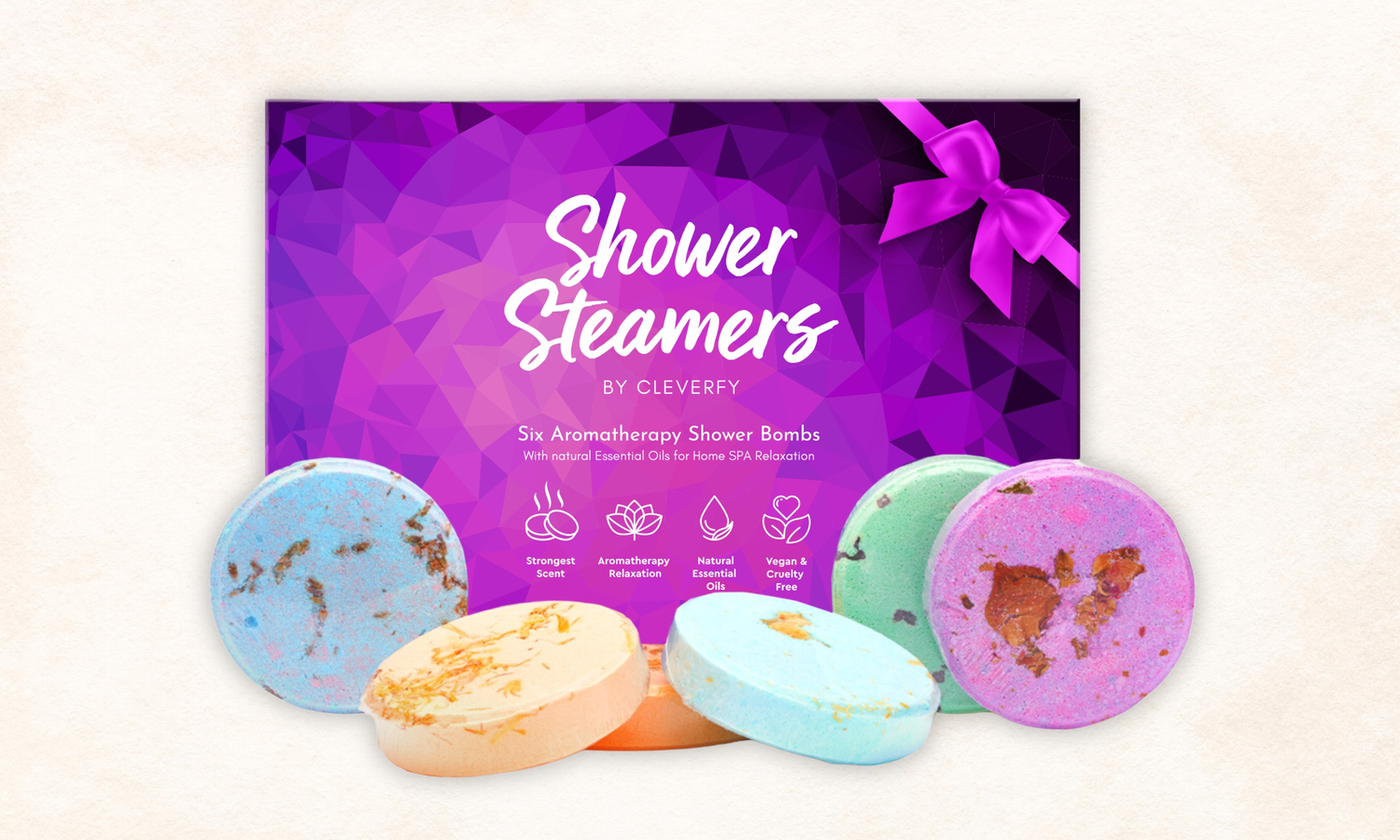
Pair the aroma with comfortable breathing, perhaps allowing the exhale to run slightly longer than the inhale. Store tablets somewhere dry. A Living Air Bluetooth humidifier offers another way to add fragrance outside the shower, though a steamer keeps the cue tied to bathing. The Cleverfy Purple Gift Set of 6 Shower Steamers includes lavender, watermelon and vanilla, grapefruit and coconut, menthol and eucalyptus, orange, and peppermint for comparing profiles and trade-offs.
2. Stress Management and Cortisol Reduction
A stressed mind rarely switches off just because the clock says bedtime. A scent can help mark the boundary between work, caregiving, studying, and personal time, but it works best as a cue rather than a promise of cortisol reduction or instant sleep.
Try a lavender or chamomile steamer after work when your main problem is mental carryover. A healthcare worker might prefer a gentle floral aroma before bed, while a busy parent might use a rose-like scent as a brief emotional reset. The same shower can also support a student who needs to settle after studying, provided the scent isn't stimulating.
The science behind stress and its impact on mind and body is complex, so keep your personal experiment modest. Notice how tense you feel before the shower, how you feel afterward, and whether the aroma makes the transition easier. Don't treat a pleasant response as proof that the scent has changed a biological stress marker.
A useful evening sequence looks like this:
- Choose the timing: Use the steamer after your final demanding task, not while you're rushing between chores.
- Control the placement: Keep it away from direct water flow so the aroma lasts through the shower.
- Add a breathing cue: Breathe comfortably and let your attention return to the scent when your thoughts race.
- Compare profiles: Test lavender, chamomile, and a woody scent on separate evenings rather than combining everything immediately.
Stress management also includes sleep scheduling, movement, social support, and professional help when distress persists. Aromatherapy can make a transition feel more deliberate, but it can't carry the whole burden.
3. Mindfulness and Present-Moment Awareness
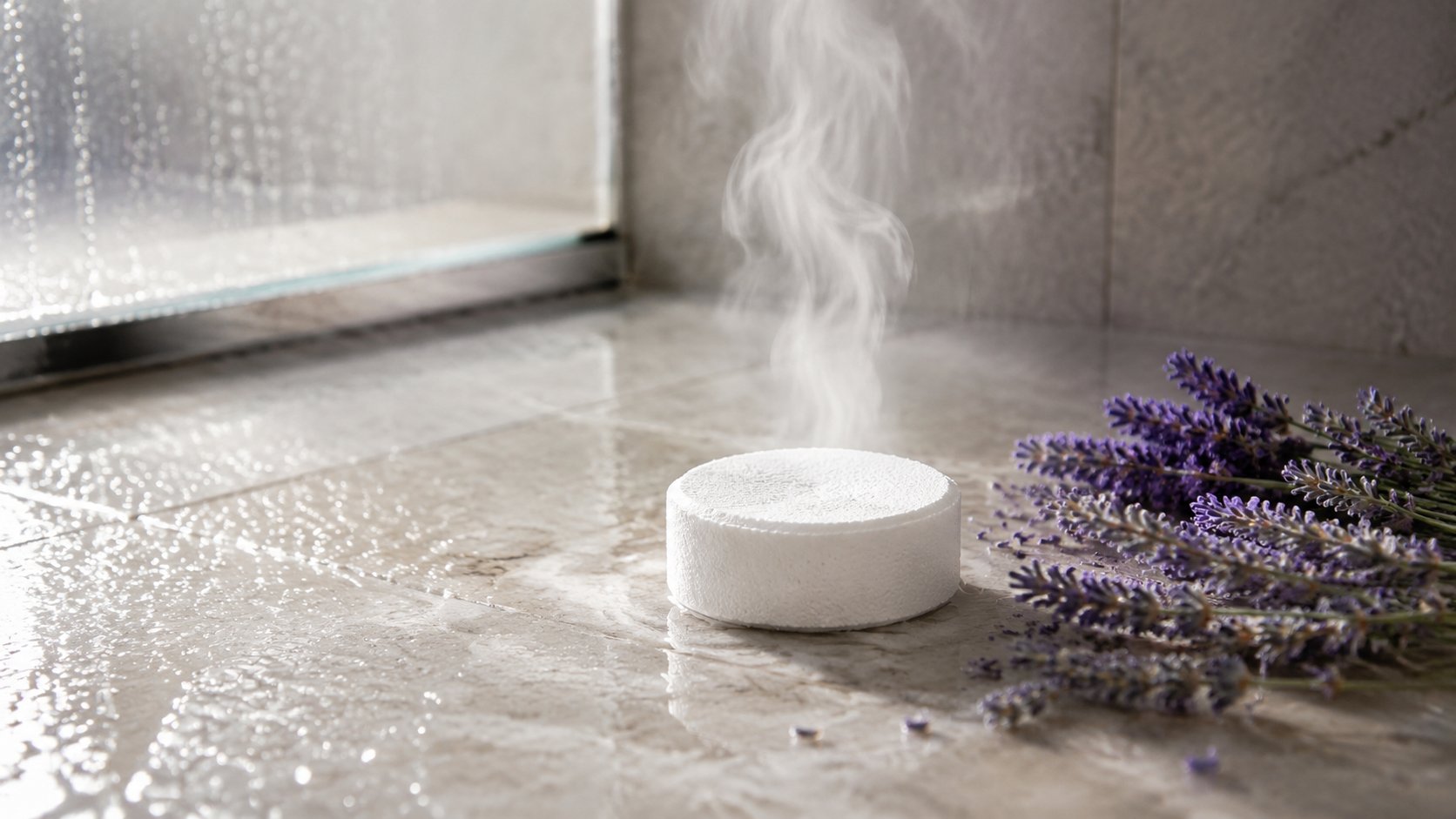
The shower already gives you several sensory anchors: warm water, changing air temperature, sound, and fragrance. Adding a shower steamer can turn those sensations into a short mindfulness practice, especially if you stop treating the shower as another place to plan tomorrow.
Choose a scent with a clear identity. Lavender works when you want a soft, familiar floral note. Chamomile creates a more herbal impression. A mild citrus aroma may suit an earlier shower when you want presence without sleepiness. The best choice is the one you can notice without becoming distracted by it.
Try this sequence:
- Before turning on the water, decide that the shower is a transition rather than a task to rush through.
- Place the steamer on the floor, away from the strongest water stream.
- Notice the scent, water temperature, sound, and movement of your breathing.
- When your mind wanders, return gently to one sensory detail.
- Finish by identifying the next quiet activity, such as reading or preparing the bedroom.
You don't need to force a blank mind. Mindfulness means noticing what has appeared and returning attention without adding self-criticism. A holistic stress relief guide can offer broader context, but the shower practice itself can remain simple.
The aim isn't to make every thought disappear. It's to give your attention somewhere calm to return.
A consistent scent may become a useful reminder to slow down, but don't assume the aroma will work the same way every night. If a fragrance feels sharp, heavy, or irritating, choose another profile.
4. Self-Care Rituals and Emotional Well-Being
A self-care ritual differs from an occasional treat because it has a repeatable shape. You select a scent, place the tablet, notice the steam, and move into the next part of your evening. That sequence can make personal wellness feel less abstract and more connected to an ordinary day.
For emotional comfort, select by mood rather than by a rigid list of supposed effects. A floral scent may feel reassuring after an exhausting day. A soft vanilla or gentle fruit note can add warmth. A woody aroma may suit someone who finds floral fragrances too sweet. If you dislike a scent, it isn't the right wellness tool for you, no matter how popular it is.
Make the ritual easy to repeat
Keep the tablets dry and place one where you'll see it before starting the shower. Use warm water that feels comfortable, but avoid making the bathroom excessively hot. During the shower, notice whether the scent helps you feel more settled, neutral, or overstimulated.
A small evening ritual can include:
- A deliberate choice: Pick a scent based on your actual mood rather than reaching automatically for the same tablet.
- A sensory detail: Add a soft towel, dimmer lighting, or quiet audio if those choices feel relaxing.
- A closing action: Follow the shower with journaling, gentle stretching, or a screen-free activity.
- A flexible schedule: Use the ritual often enough to feel familiar, but don't turn it into another obligation.
The point isn't to perform perfect self-care. It's to create a reliable moment in which you acknowledge your needs. If fragrance causes discomfort, skip the steamer and keep the rest of the ritual. Personal wellness should reduce friction, not create a new standard you feel pressured to meet.
5. Sleep Quality and Evening Wind-Down Routines
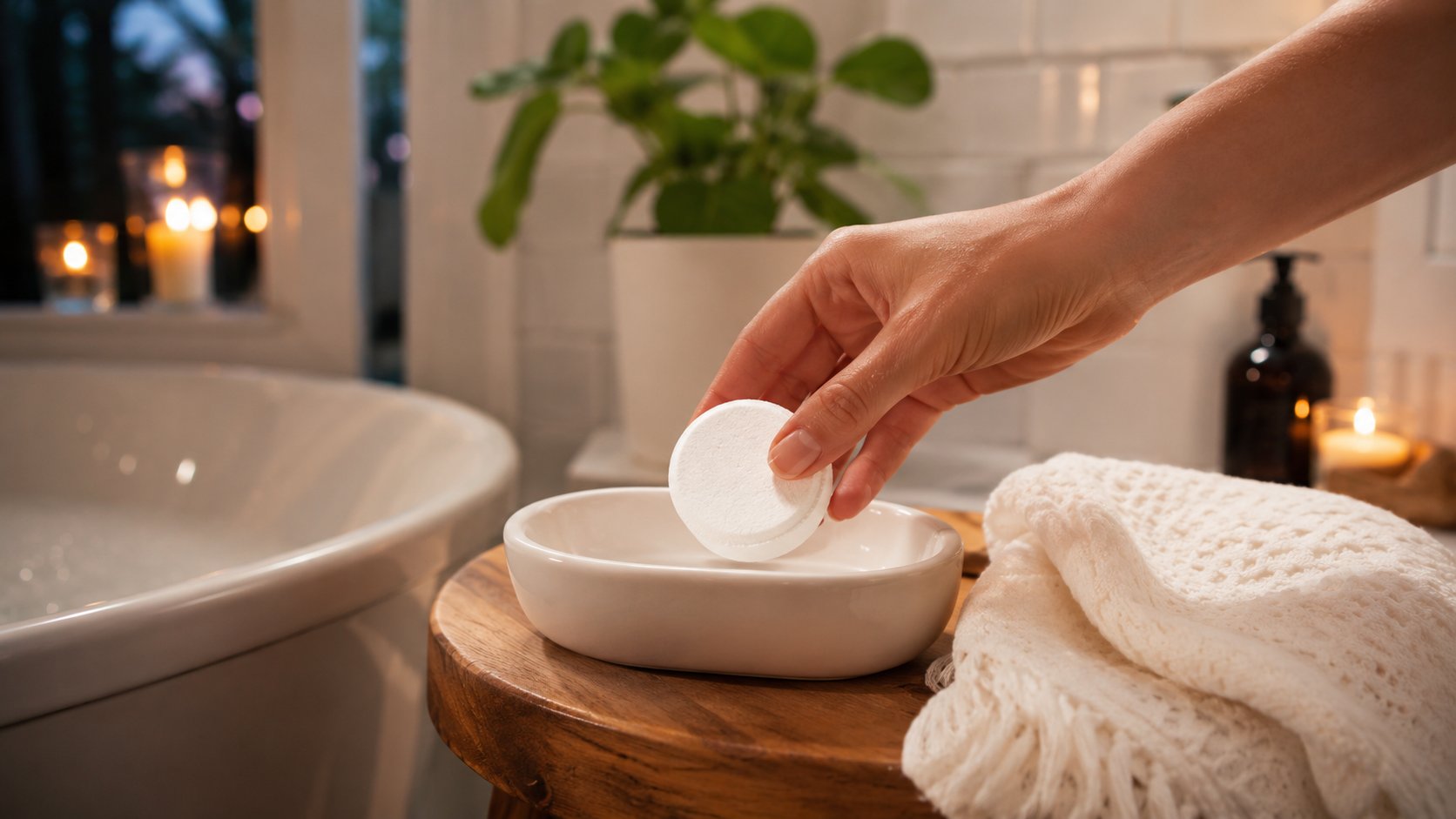
A sleep-focused shower should tell your brain that demanding activities are ending. The scent is only one part of that message. Timing, lighting, water temperature, and what you do after the shower all influence whether the routine feels calming or rushed.
Start with lavender, chamomile, ylang-ylang, or sandalwood. Lavender is familiar and relatively easy to pair with a quiet bedroom routine. Chamomile brings an herbal softness. Ylang-ylang and sandalwood are more distinctive, so test them on an evening when you don't need to be asleep immediately afterward.
Place the steamer away from the direct stream so it releases aroma gradually. Take a normal shower, then leave the bathroom for a cooler, darker, quieter environment. The shower shouldn't become a long, stimulating event, especially if hot water leaves you feeling alert or uncomfortable.
For a practical wind-down:
- Choose one timing cue: Use the shower at a similar point before bed when your schedule allows.
- Keep water comfortable: Warm water may feel relaxing, but avoid temperatures that make you feel overheated.
- Protect the next step: Prepare clothing, reading material, or bedroom conditions before you enter the shower.
- Observe the pattern: Notice whether the scent makes bedtime feel easier, neutral, or less pleasant.
The guide to creating an effective sleep routine can help you build the surrounding habits. If sleep problems continue, don't keep escalating scents or using stronger fragrance as a replacement for professional assessment.
6. Mental Clarity and Cognitive Focus
Not every shower should be designed for sleep. A stimulating scent can belong in the morning, while a calming scent remains reserved for the evening. Keeping those categories separate helps prevent you from choosing peppermint or eucalyptus late at night when your actual goal is to reduce alertness.
Peppermint feels cool and sharp. Eucalyptus has a fresh, penetrating character. Rosemary and lemon can add herbal or bright citrus notes. These profiles may suit a morning shower before focused work, study, or a demanding meeting, but personal responses differ. A scent that helps one person feel refreshed may feel too intense to someone else.
Use stimulating aromas earlier
Place the tablet away from direct water at first and allow the steam to spread for a few minutes. Take comfortable breaths rather than deliberately inhaling if the aroma feels strong. Then connect the shower to a concrete activity, such as preparing a work list, eating breakfast, or beginning a focused block.
A simple scent boundary can help:
- Morning: Peppermint, eucalyptus, rosemary, or lemon may feel more appropriate.
- Afternoon reset: Choose a lighter citrus or herbal profile if you need to regain attention.
- Evening: Return to lavender, chamomile, ylang-ylang, or sandalwood.
- Sensitive days: Use less fragrance or skip the steamer if your head or airways feel irritated.
A scent isn't a substitute for sleep, hydration, food, breaks, or a workable workload. Treat it as an environmental prompt. If you want your shower to support sleep, reserve the sharper profiles for times when alertness is useful.
7. Respiratory Health and Breathing Optimization
Eucalyptus and peppermint are popular in shower products because their aromas feel fresh and cooling. That sensation can make breathing feel more noticeable during a shower, especially when steam fills the room. It doesn't mean a steamer treats a respiratory condition, opens every airway, or replaces medical care.
For a sleep-oriented routine, respiratory scents can be a poor fit if they feel sharp or activating. Use them earlier in the day, or choose a softer aroma when your main goal is bedtime relaxation. If you have asthma, fragrance sensitivity, allergies, or another respiratory concern, be especially cautious and follow advice from your healthcare professional.
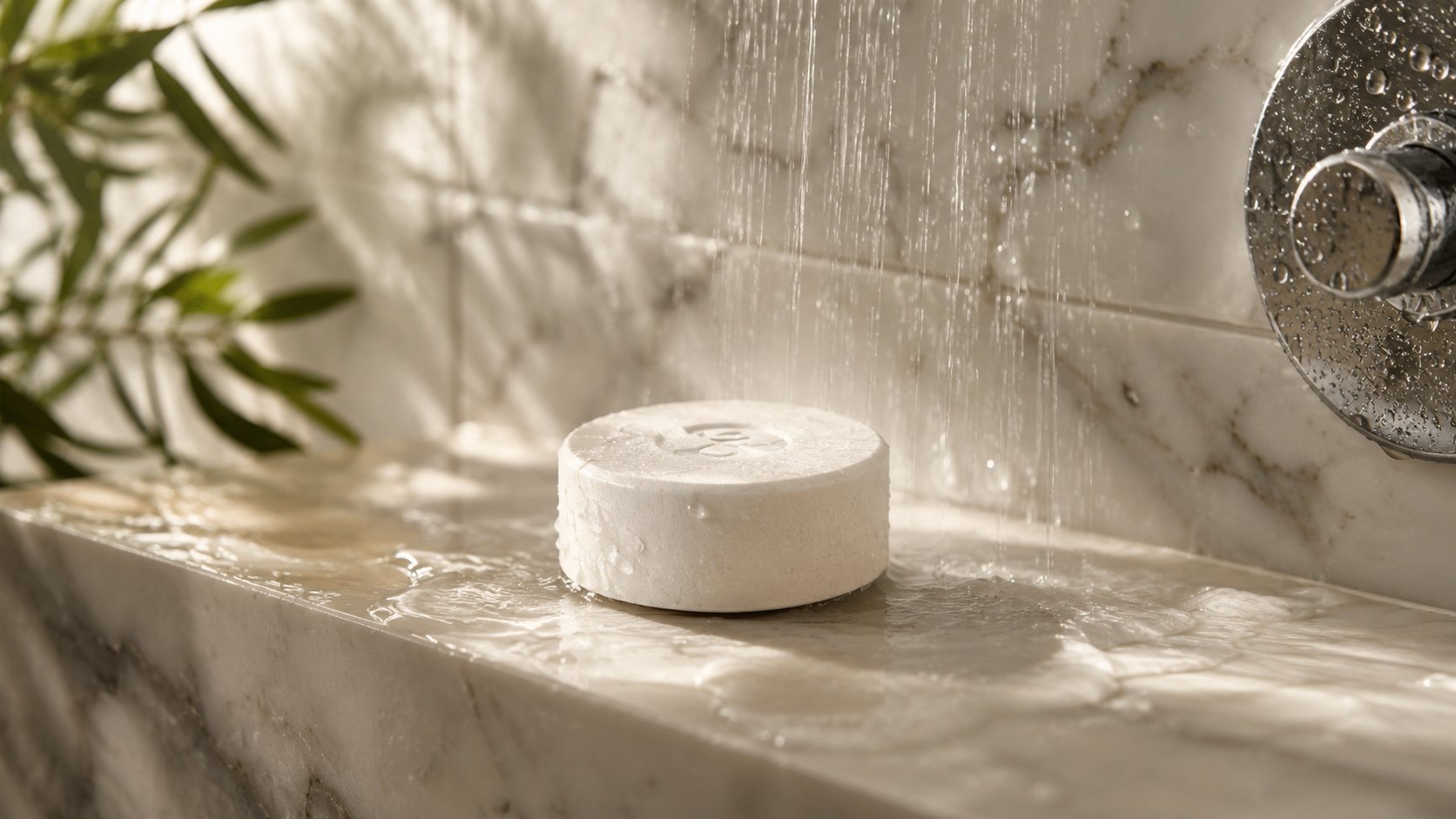
The placement matters. Put the tablet on the shower floor, away from direct water, and stop using it if you develop coughing, wheezing, headache, skin irritation, or discomfort. Don't place it where you could slip on it or where concentrated product can remain underfoot.
Pair aroma with gentle breathing
If the scent feels comfortable, use it as a reminder to breathe normally and slowly. You can try a relaxed inhale followed by a longer exhale, but don't force a count or hold your breath. The purpose is to reduce rushing and notice your breathing, not to push beyond comfort.
A eucalyptus steamer may suit a morning shower before yoga or a walk. Peppermint may feel fresher before work. For the evening, compare these with lavender or chamomile and choose the profile that leaves you calmer rather than more awake.
Avoid making claims about oxygen, congestion treatment, or disease relief based only on a pleasant steam sensation. Personal wellness includes knowing where a household ritual ends and clinical respiratory care begins.
8. Mood Enhancement and Emotional Resilience
Scent can change the emotional tone of a room quickly, which makes the shower a useful setting for a mood reset. Citrus profiles such as orange, grapefruit, and lemon often feel bright. Rose and lavender can feel softer and more comforting. These descriptions are starting points, not universal outcomes.
Choose the scent that matches the transition you need. Orange may help a morning shower feel more optimistic. A floral scent may suit an evening when you want emotional quiet. Grapefruit can feel lively, but that brightness may not fit immediately before bed.
A mood-focused shower works better when it leads into a meaningful action. After the shower, call someone, take a short walk, prepare a nourishing meal, tidy one small area, or begin a relaxing activity. The aroma can support the transition, but emotional resilience grows through broader patterns of connection, rest, movement, and support.
Aroma is a cue, not a cure. Let it support a mood shift without asking it to resolve the reason you feel low.
Keep a simple mental note of the combination that feels best. Was the scent pleasant? Did the shower feel rushed? Did the next activity support the mood you wanted? You don't need elaborate tracking, and you shouldn't treat a temporary uplift as treatment for depression or another mental health condition.
For sleep, reserve bright citrus scents for earlier showers if they make you feel energized. If orange or grapefruit feels soothing to you, it can still work in the evening. Your response matters more than a fixed rule.
9. Gift-Giving and Relational Wellness
A sleep-friendly scent can also become a thoughtful gift when you know the recipient prefers showers and enjoys fragrance. The strongest gift choice isn't necessarily the most elaborate set. It's the one that respects the person's preferences, living situation, and tolerance for essential-oil aromas.
A mixed set gives the recipient room to compare profiles. Lavender may appeal to someone building an evening routine. Peppermint or eucalyptus may suit morning showers. Citrus and sweet scents can work for people who want a brighter sensory experience, though fragrance preferences are highly personal.
Make the gift personal
Add a short note explaining how to use the tablet without promising a medical effect. Suggest placing it on the shower floor away from direct water, allowing the steam to distribute the scent, and stopping if irritation occurs. If the recipient has fragrance sensitivity, asthma, allergies, or a condition affected by essential oils, let them decide whether to use it.
Consider these details:
- Recipient preference: Choose floral, herbal, woody, minty, or citrus profiles based on what they already enjoy.
- Routine fit: A shower-focused gift makes more sense for someone who doesn't use a bathtub.
- Timing: A gift before a stressful transition may feel more thoughtful than a generic seasonal present.
- Shared meaning: Include your own simple evening ritual if you want to encourage mutual self-care.
Gift-giving can reinforce connection, but don't frame the product as a solution to someone else's sleep or mental health problem. Offer it as a sensory option and let the recipient choose how it fits their personal wellness routine.
10. Daily Ritual and Habit Formation for Sustainable Wellness
The best shower-steamer routine is one you'll repeat. Attach it to a shower you already take, rather than creating an ambitious schedule that depends on perfect motivation. The shower becomes the anchor, and the scent becomes a small cue for the state you want to enter.
For sleep, choose an evening shower that naturally occurs before reading, stretching, journaling, or preparing for bed. Keep the tablets dry and visible, but not where water can reach them prematurely. Start with one scent, because changing products constantly makes it harder to learn what you genuinely prefer.
A practical habit design looks like this:
- Use one anchor: Place the steamer into the same evening shower rather than using it whenever you remember.
- Reduce decisions: Keep a calming scent available for nights when you don't want to choose.
- Protect the cue: Store tablets close enough to remember, but safely away from moisture.
- Notice the outcome: Pay attention to relaxation, enjoyment, and sleep readiness without demanding a specific result.
- Change gradually: Rotate only when the aroma becomes less enjoyable or no longer suits your routine.
If you work shifts or have an irregular schedule, use the shower before your intended sleep period rather than relying on a conventional clock time. A self-care guide from Ella & Eden can provide broader ritual ideas, but your version should remain manageable.
A sustainable habit doesn't need to be dramatic. It needs a clear cue, a pleasant action, and a realistic place in your day.
10-Point Personal Wellness Comparison
| Practice | 🔄 Implementation complexity | 💡 Resource requirements | ⭐ Expected outcomes | ⚡ Speed / Efficiency | 📊 Key advantages & ideal use cases |
|---|---|---|---|---|---|
| Aromatherapy and Essential Oil Therapy | Low, simple shower integration | Shower steamers, quality essential oils, dry storage | ⭐⭐⭐, subtle mood & stress modulation; individual variance | ⚡ High, immediate inhalation effects, no extra time | Convenient daily mood support; ideal for users without baths and quick wellness boosts |
| Stress Management and Cortisol Reduction | Low–Moderate, habit needed for sustained effect | Steamer tablets, consistent use, optional breathing practice | ⭐⭐⭐, acute calming; modest cortisol reduction with consistency | ⚡ Moderate, immediate calming; long-term benefits require routine | Fast daily stress relief for busy professionals, caregivers, end-of-day wind-downs |
| Mindfulness and Present-Moment Awareness | Moderate, requires intentional attention | Steamer, willingness to practice, 5–15 min time block | ⭐⭐⭐, improved focus and reduced rumination with repetition | ⚡ Efficient, short sessions integrate into routine | Beginner-friendly "shower meditation"; ideal for brief daily mindfulness anchors |
| Self-Care Rituals and Emotional Well-Being | Low, design + consistency to create meaning | Themed steamer sets, optional journaling or ambiance items | ⭐⭐⭐⭐, builds resilience and self-compassion via ritual | ⚡ Moderate, immediate sensory pleasure; cumulative benefits | Daily self-prioritization and gifting; best for those seeking ritualized emotional support |
| Sleep Quality and Evening Wind-Down Routines | Low, timing discipline required | Calming scent steamers, consistent pre-sleep timing | ⭐⭐⭐, improved sleep onset/quality for many (not clinical) | ⚡ Moderate, requires 20–30 min pre-bed routine | Pre-sleep transition tool; suited for people wanting non-pharmaceutical sleep support |
| Mental Clarity and Cognitive Focus | Low, morning/pre-task use | Invigorating scent steamers (peppermint, rosemary, lemon) | ⭐⭐⭐⭐, immediate alertness and short-term focus enhancement | ⚡ High, fast onset, effects last hours | Pre-work or study boost; alternative/complement to caffeine for productivity |
| Respiratory Health and Breathing Optimization | Low, simple steam inhalation; precautions for sensitivity | Eucalyptus/peppermint steamers, warm shower | ⭐⭐⭐, temporary decongestion and deeper breathing | ⚡ High, immediate relief; short duration | Congestion relief, pre-exercise breath prep, seasonal allergy support (not a medical substitute) |
| Mood Enhancement and Emotional Resilience | Low, consistent daily use advised | Mood-elevating scent steamers, scent rotation | ⭐⭐⭐, immediate mood lift; cumulative resilience with routine | ⚡ High, quick affect change, builds over time | Daily mood regulation, seasonal affect support, pairing with gratitude or affirmations |
| Gift-Giving and Relational Wellness | Low, curated sets simplify process | Themed multi-packs, gift-ready packaging | ⭐⭐⭐, strengthens relationships and encourages recipient self-care | ⚡ High, instant gifting solution with ongoing benefits | Birthdays, holidays, corporate gifting; ideal for wellness-minded recipients |
| Daily Ritual and Habit Formation for Sustainable Wellness | Moderate, requires repeated practice (30–66 days) | Multi-pack supply, visual cues, accountability partner | ⭐⭐⭐⭐, automatic wellness habits and compound benefits long-term | ⚡ Low initially / High long-term, slow formation, then low-effort | Sustainable behavior change; best for users seeking lasting integration of wellness into daily life |
Build a Sleep-Friendly Scent Routine
Start with one calming scent, not ten. Lavender is a practical first choice if you want a familiar floral profile. Chamomile may suit you if you prefer an herbal aroma, while ylang-ylang offers a fuller floral direction for people who enjoy richer fragrances. Sandalwood can provide a deeper, woody alternative.
Use the tablet in an evening shower and place it on the floor away from the direct water stream. That placement helps prevent it from dissolving too quickly and lets the steam carry the aroma through the room. Follow the shower with one quiet activity, such as reading, gentle stretching, journaling, or preparing the bedroom for sleep.
Give the routine enough repetition to judge whether you enjoy it. Pay attention to practical signals rather than chasing a guaranteed effect. Do you look forward to the scent? Does the shower help you stop thinking about work? Do you feel comfortable afterward, or does the fragrance leave you alert, congested, or irritated?
If the first scent isn't pleasant, change it. You can test a simple combination later, such as lavender with a soft citrus note, but avoid adding multiple strong aromas at once. A complex blend makes it difficult to identify what you like and what may be causing discomfort.
Your shower can support personal wellness, but it can't diagnose or resolve persistent sleep problems. Seek professional support if difficulty sleeping continues, affects daytime functioning, or occurs alongside significant anxiety, low mood, breathing symptoms, pain, or other health concerns. Use aromatherapy as a calming environmental cue, and keep the rest of your sleep routine equally practical.
Cleverfy Beauty offers essential-oil shower steamer tablets in gift-ready multi-scent sets, including calming, citrus, mint, and eucalyptus profiles that can fit different points in a daily routine. Visit Cleverfy Beauty to explore shower-focused aromatherapy options and choose a scent set for your own evening wind-down.

