

Self-Care Routine How to Build One That Actually Sticks
You get home tired, stand in the shower, and think about all the self-care routines you meant to start. The problem usually isn't that you don't care. It's that your routine asks for more time, more decisions, and more energy than you have.
A self-care routine works when it fits the life you already have, not the one you wish you had on your best day. That's why the shower matters so much. It's already part of the day, it already has a beginning and an end, and it can hold a few tiny actions without demanding a separate block on your calendar.
Table of Contents
- Why Most Self-Care Routines Fall Apart
- How to Design a Self-Care Routine That Fits Your Life
- Three Adaptable Templates for Any Schedule
- Choosing Scents That Support Your Goals
- Sample Routines for Busy Professionals Teens Men and Gift Recipients
- How to Stay Consistent Without Burning Out
Why Most Self-Care Routines Fall Apart
A client once told me her evening routine had twelve steps, and she still felt like she was failing because she skipped most of them after work. That pattern shows up constantly. People do not fall apart because they lack discipline, they fall apart because the routine behaves like a checklist instead of a design problem.
The mismatch shows up in the data too. In a U.S. study of adults aged 25 and older, only 6.6% reported doing health-related self-care on any given day, even though those who did spent a mean of 90 minutes and a median of 15 minutes on it. When the full adult population was counted, the average was 42 minutes per person per week, or 36.2 hours per year JABFM study. People are not living inside long, elegant routines. They are fitting care into the cracks.
Capacity beats ambition
Practical rule: build the routine for your low-energy Tuesday, not your ideal Sunday.
That shift changes how the routine holds up. A self-care routine works better when it matches your actual capacity on a given day, which is why guidance to evaluate your energy level before choosing practices matters so much Stellis Health guidance. If you are exhausted, a ten-step plan becomes another source of guilt.
The shower helps because it removes setup. You are already there, you already need to clean up, and you do not need to invent a new time slot. this habit-stacking guide shows the same pattern, one action attached to an existing cue is easier to repeat than a separate routine that has to be remembered from scratch. For shower-first users, that means the routine should feel embedded in the shower you already take, not added on like extra homework.
Why guilt makes routines brittle
Guilt pushes people toward overcorrection. They miss a morning, then try to make up for it with a longer nighttime routine, and then they miss that too. Once that loop starts, the routine stops feeling like support and starts feeling like evidence.
A more durable routine is narrow, boring, and easy to repeat. It should survive a late train, a rough night, a toddler waking up early, or a workday that drains you before lunch. If it cannot survive those conditions, it is not a routine yet, it is a wish list.
How to Design a Self-Care Routine That Fits Your Life
Map the moments this week when you feel most pulled in. Sleep debt, back-to-back calls, evening screen time, and a constant sense of mental clutter all compete for attention, so the first move is to identify the one pressure point that would change the rest if it improved. That is where a staged workflow helps, assess the load, choose one target, set the cue, then review before adding anything else beginner routine guidance.
Use one decision filter
Ask yourself three questions, in this order.
- What feels most neglected right now? Pick the area that is draining you the most.
- What can happen inside an existing cue? Choose something that fits a shower, commute, bedtime, or wake-up.
- What is small enough to repeat on a bad day? If it only works on a good day, it is too big.
That last filter matters more than people expect. A routine fails when it is built to look complete instead of being easy to repeat, especially on days when energy is low and attention is scattered. A calendar or habit tracker helps because it turns the routine into something you review instead of something you judge. Research-based routine-building advice also supports starting with one concrete action, then checking it after a short practice window, such as a couple of weeks, before adding another layer routine-building guidance.
Put the routine where your day already has structure
The easiest anchors are the ones that already happen without negotiation. For many people, that is the shower, because it happens before work, after exercise, or before bed. One practical approach is to make the shower the trigger for a single sensory reset, then stop there unless you have more capacity.
If you want a grounded starting point, the ArtNaturals roundup of simple self-care tips keeps the focus on practical actions instead of a polished wellness image. That matches the goal here. Fewer moving parts usually means better follow-through, especially for people who are trying to build a routine around an existing habit rather than around extra time they do not have.
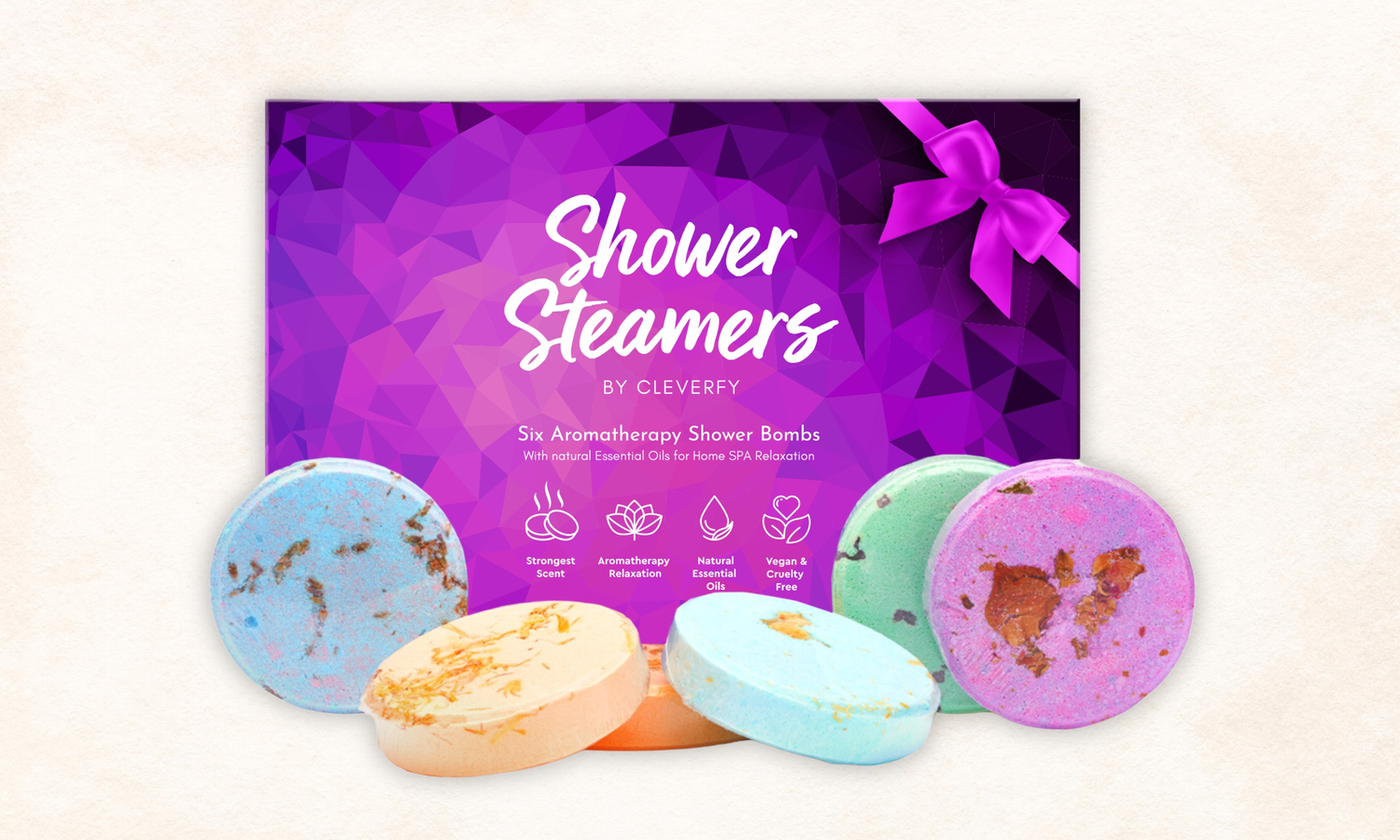
A shower-first plan can stay very short. If a routine takes more than a few minutes and you have not practiced it consistently, it is probably too ambitious for the moment. For a tactile cue, the Cleverfy Purple Gift Set of 6 Shower Steamers offers a six-tablet shower steamer set with essential oils and scents including lavender, watermelon and vanilla, grapefruit and coconut, menthol and eucalyptus, orange, and peppermint. It fits the shower cue without asking you to create another task list.
For people balancing family, work, and a few minutes of personal recovery, juggling work, family, and self-care balance usually comes down to trimming friction, not adding more intention. The routine should feel like a small agreement with yourself, not a performance.
Three Adaptable Templates for Any Schedule
The fastest way to keep a self-care routine usable is to match it to time, not motivation. If you only have a few minutes, build a few minutes. If you have a longer window on weekends, use that instead of forcing the same plan every day. The point is not to do more, it's to choose the right template for the day you're living.

The 5 minute daily reset
This one is for mornings that feel compressed. A practical benchmark for morning self-care is a short stack of one glass of water, 6 slow breaths or 2 minutes of box breathing, 5 to 10 minutes of movement, a one-sentence intention, and a quick mood log morning self-care benchmark. If that sounds like a lot, remember that it only works when you keep it tiny.
In shower form, the reset can happen in sequence. Drink water before you step in, take your breathing cue while the steam builds, move lightly after you dry off, then say the day's intention out loud once. A shower steamer can sit at the center of that cue, so the routine starts with scent instead of scrolling.
The evening wind-down
The evening version should reduce stimulation, not add a new project. Keep it simple, rinse, slow your breathing, and choose one action that tells your body the day is done. If you need a sensory anchor, use a calming scent during the shower, then stop there rather than building a second bedtime checklist.
That's usually where people go wrong. They try to pair self-care with productivity, like journaling, stretching, and planning tomorrow all in the same half-hour. It's better to use the shower as the last hard stop before you shift into quieter habits.
The weekend recharge
A longer block gives you room to handle the things that get neglected during the week. People can do a deeper reset, check supplies, clean the bathroom, reorganize a medicine shelf, or take a longer shower without rushing. If your weekdays are chaotic, the weekend block is where the routine becomes sustainable.
A simple way to decide which template to use is this. If you've got under ten minutes, use the daily reset. If you've got a calmer evening, use the wind-down. If you've got more space, use the recharge block. That choice removes decision fatigue before it starts.
Choosing Scents That Support Your Goals
Scent works best when you match it to the moment, not just to what smells nice. A shower-first routine gives you a clear use case, energize in the morning, settle at night, and use sharper notes when you want your head to feel clearer. That's a practical difference, because scent becomes a cue tied to behavior, not decoration.
The way shower steamers work is straightforward. A tablet dissolves on the shower floor and releases aromatherapy steam, which gives you the sensory effect without a bathtub. That makes the format easier to use on busy days, especially if you're trying to keep the routine short and repeatable.
Match scent to function
For morning, lighter or more invigorating profiles make more sense. For evenings, softer or calmer profiles usually fit better. If congestion relief is part of your reason for using aromatherapy, a sharper profile can feel more useful during a shower than a generic spa scent.
That's why variety matters. Different scent families are easier to test in a pack with multiple options, then rotate once you know what supports your routine. If you're shopping for a shower-first setup, it helps to think in terms of use cases, not fragrance categories.
Use a trial set before you commit
The first job is learning which scent makes the routine easier to repeat. A themed multi-scent set gives you a low-risk way to do that, because you can compare how different aromas feel across weekdays, workouts, and nights when you're already tired. That matters more than finding the most luxurious smell.
The same logic applies if you're trying to make a routine giftable. A packaged set feels clearer than a single scent because the recipient can experiment without having to guess what to use first. For more scent-specific pairing ideas, this guide to the best essential oil scents for every mood is worth a look before you settle on one profile.
A good routine doesn't need a huge product shelf. It needs one scent that helps you start, one that helps you slow down, and enough consistency to remember why you chose them.
Sample Routines for Busy Professionals Teens Men and Gift Recipients
Different people need different routines because different lives create different constraints. A busy professional needs something that can happen between meetings and bedtime. A teen often needs a low-cost, low-friction ritual that doesn't feel preachy. Gift recipients need something that is easy to understand without extra instructions.
Busy professionals
A 5 minute morning reset works well when the day starts before your brain does. Use water, a brief breathing cue, and one scent that feels alerting. At night, keep it just as simple, a short shower with a calmer aroma, then stop. No extra screen-free challenge, no long journal prompt, no elaborate skincare stack. That kind of routine fits around work boundaries instead of pretending workdays are spacious.
A structured version helps if you like clear cues. Use a sharper scent in the morning and a softer one in the evening. The routine stays small, but the signals stay distinct, which helps your brain learn the difference between “start” and “shut down.”
Teens
Teens usually stick with routines that feel personal and quick. A shower ritual with music before the shower, a short steam-based reset during the shower, and a phone-free finish afterward is easier to keep than a full wellness plan. The goal is to make the routine feel like a normal part of getting ready, not a lecture.
Scent choice can stay playful here. A younger user may respond better to a routine that feels light and sensory rather than clinical. Keep the language simple, keep the time short, and let the habit live inside the daily shower.
Men
For men who don't want a lot of moving parts, the most useful routines are often practical rather than aesthetic. A morning shower can double as a wake-up cue, and an evening shower can become a decompression cue after the gym or commute. If the habit is tied to something already happening, it is much easier to keep.
A straightforward men's routine is usually about consistency, not complexity. Use one scent to signal focus and another to signal recovery, then let the shower do the heavy lifting. That is enough for a routine to feel established without turning into a project.
Gift recipients
Gift routines work when the instructions are obvious. A set that says “use one item per week” is easier to enjoy than a bundle that requires research first. A gift-ready shower steamer set with essential oils, a simple presentation, and a few different scent options fits that use case well.
If you want a specific example, the Cleverfy Purple Gift Set of 6 Shower Steamers gives the recipient an easy starting point without forcing a guess. The value is in the low-friction format, not in making the gift feel complicated.
Different people also use self-care in different ways. In a cross-national study, self-care showed up across the UK, U.S., Australia, and Japan in uneven ways, and people who practiced several types of self-care formed a smaller, more engaged group. The point for routine design is simple, one template will not fit every person, so the shower-based habit has to stay flexible enough for the person using it.
How to Stay Consistent Without Burning Out
Burnout usually starts when consistency turns into self-punishment. A routine should have an exit ramp built into it, so the next hard week does not wipe it out. In practice, that means keeping the habit small enough to repeat even after a long day, a bad commute, or a night of poor sleep.

Let the routine flex with your capacity
A routine only works if it can shrink without falling apart. Some days call for a full shower reset, other days call for one scent cue and nothing else, and that smaller version still counts as keeping the habit alive. Guidance that centers capacity-based guidance supports that approach, because it treats energy as a design limit rather than a test of discipline capacity-based guidance.
That same logic applies to the rest of life around the routine. Sleep, meals, movement, and support all change how much effort the shower habit can carry, so the plan needs room for real trade-offs instead of pretending relaxation fixes everything. For a more behavior-focused look at repetition and follow-through, practical habit building in 2026 is a useful companion read.
Make the shower the anchor
The shower works well as the anchor because it already happens, which removes one more decision from the day. Store your steamers where you can see them, keep the sequence simple, and use the same cue at roughly the same time when you can. Variety helps when motivation drops, but predictability does more of the work.
A 5-minute shower routine can still feel complete. One scent, one wash, and one quiet pause are enough when energy is low, while a longer shower can hold a second step if the day allows it. That kind of time-based template gives the routine structure without turning it into a checklist.
Scent cues make the routine easier to repeat because they tell your body what kind of reset is coming next. A bright scent can signal focus, a softer scent can signal recovery, and the handoff from one to the other can be the routine itself. If a product is part of that setup, Cleverfy Beauty states free shipping on qualifying U.S. orders over USD 50 and a 100% money-back guarantee, which makes a shower-based trial easier to test without much risk.
Keep one shower cue, one scent, and one time window in place for a while before changing anything. If that feels easy enough to repeat on tired days, the routine is doing its job.

