

Teachers Gift Ideas That Actually Get Used
You're standing in the kitchen with a class signup sheet open on your phone, or you're in the store aisle looking at the same mugs and candles everyone else buys. You know you need teachers gift ideas, but you don't want to hand over something that ends up stuffed in a cabinet, duplicated three times, or politely smiled at and never used.
The fix is simpler than most parents think. Stop asking, “What looks nice?” and start asking, “What fits this teacher's day, this occasion, and this budget?” That's how you get past the generic gift trap and toward something a teacher will use.
Table of Contents
- Why Teacher Gifts Are Harder Than They Look
- What Teachers Say They Actually Want
- Occasions, Timing, and Gift Etiquette
- Budget Tiers and How to Spend Wisely
- Group Gifting Done Right
- DIY Versus Store-Bought and How to Match the Teacher
- Wellness and Self-Care Gifts Teachers Genuinely Use
- Your Quick Teacher Gift Decision Checklist
Why Teacher Gifts Are Harder Than They Look
You've probably been there, staring at a signup sheet with four families already marked down for “gift,” and no one wants to be the person who buys something weird. The problem isn't that teachers are hard to please, it's that the category gets crowded with the same safe-looking items, and safe-looking doesn't always mean useful.
The surveys tell the story. Teachers do not rank novelty first, they rank practical, personal, low-friction gifts first. In one dataset of 800 teachers, handwritten cards or letters landed at 51.5% as the most appreciated gift type, and cash or gift cards followed at 45.25%. That's a huge clue, because it says the best gift is usually the one that saves time, reduces clutter, or feels personal, not the one that looks fanciest on a store shelf. See the Firacard teacher recognition guide if you want more examples of appreciation that feel sincere instead of generic.
Practical rule: if the gift creates more work for the teacher, it's probably the wrong gift.
The rest of the logic is straightforward. Match the gift to the occasion, keep the budget modest unless it's a group present, and default to something consumable or choice-preserving when you're unsure. That's why this kind of shopping is less about creativity and more about decision-making. If you've ever bought a candle because it felt “teacher-ish,” only to realize the teacher already has five, this guide is for you.
A good teachers gift ideas list should help you make fewer mistakes, not give you more options to overthink.
What Teachers Say They Actually Want

The gap between what families buy and what teachers value is the whole game. In one survey, teachers said they most often received mugs (67.5%), food and drink (66.2%), candles (60.6%), gift cards (58.1%), and stationery (46.2%). But the same kind of survey also showed that the gifts people assume are “safe” aren't always the ones teachers like best.
The strongest takeaway is simple. Thoughtfulness beats novelty, and usefulness beats decoration. In the survey of 800 teachers, handwritten cards or letters were the most appreciated at 51.5%, and cash or gift cards were close behind at 45.25%. The least appreciated items included alcohol (38.88%), homemade food (34.63%), and trinkets or knick-knacks (32.13%). That doesn't mean nobody likes those things, it means they're weaker bets if you want a gift that lands well across a whole class.
There's also a budget signal hiding in the data. 43.4% of teachers said $10 to $20 is a reasonable gift price, 24.1% preferred $0 to $10, and 20.6% said price doesn't matter. So if you've been wondering whether you need to spend a lot, the answer is no. The smarter move is to spend enough to show care, then put the rest of the effort into fit.
Teachers don't need another decorative object. They need something that fits a real day, a real classroom, or a real break between classes.
One more thing matters: not every teacher wants the same format. 44% of teachers expect a gift for occasions like holidays or appreciation events, while 53% do not. That means silence is normal too. If you're unsure, a note plus a practical gift is enough.
Occasions, Timing, and Gift Etiquette
Teacher gifting gets messy when parents ignore the moment. A holiday gift, Teacher Appreciation Week gift, end-of-year gift, back-to-school gift, or a personal milestone like a wedding or baby shower all call for different levels of formality. A small gift that feels right in May can feel too much in September, and a personal present that works for a close family can feel intrusive in a classroom setting.
Match the moment, not your impulse
For ordinary school occasions, keep it light and useful. For a milestone, you can be warmer, but don't swing into overly personal territory unless you know the teacher well. A teacher doesn't need a gift that says, “I know your private life.” They need a gift that says, “I noticed your work and I'm grateful.”
Avoid fragrance-heavy items if you're unsure about sensitivities, and skip anything that creates awkwardness for the recipient. That includes gifts that are too intimate, too messy, or too hard to share. A handwritten note should always travel with the gift, because the note is what keeps the present from feeling generic.
The easiest way to stay polite is to think in boundaries. If you wouldn't hand it to a coworker you only know professionally, don't hand it to a teacher unless you're sure it fits. That's why flowers, cards, and practical consumables stay popular. They're warm without being overfamiliar.
For a broader appreciation angle, the Cleverfy guide to graduation gift ideas for teachers is a useful example of how to keep a teacher gift celebratory without getting too personal.
Keep the gift kind, not complicated.
The rule I've used for years is this. If the event is school-wide, the gift should be simple. If the event is personal, the gift can be a little more specific, but it still shouldn't force the teacher to explain, store, or return anything.
Budget Tiers and How to Spend Wisely
A good budget keeps you from spiraling into overbuying. Most teacher gifts work best when they stay compact, consumable, or choice-preserving, because those are easier to use and harder to regret. If you're shopping alone, a modest token is enough. If you're coordinating with a class, a pooled budget changes the game.
Under $10 for small, direct gestures
This tier works for a solo parent, a quick appreciation note, or a small seasonal gift. Think handwritten card, a simple snack, a classroom consumable, or a small self-care item. The point is not to look impressive, it's to look thoughtful without adding clutter.
DIY can work here if your child is young and the teacher enjoys keepsakes. A handwritten note from a child matters more than a fancy purchase in this range. Purchased gifts work better when you're short on time or don't know the teacher well.
$10 to $25 for the sweet spot
This is the most practical range for most families. It lines up with the teacher survey result that 43.4% of teachers see $10 to $20 as reasonable, and it leaves room for something useful instead of token-only. You can choose a gift card, a compact wellness item, or a small classroom-friendly item that won't sit unused.
If you want a simple pricing reference outside the teacher context, the EasyRegistry guide on how much to give as a gift is a helpful way to think about appropriateness without getting stuck on etiquette theater.
$25 to $50 for group purchases
This tier makes sense when several families chip in. Use it for a higher-value gift card, a bundled self-care set, or a useful item that would be too much for one parent to buy alone. Don't spend this amount on a decorative object unless you're absolutely sure the teacher wants it. Bigger doesn't mean better, and in a classroom, bigger often means harder to store.
The clear winner across these tiers is simple. Buy less stuff, choose more function, and put the emotional weight into the note.
Group Gifting Done Right

Pooling money is the smartest move when a class wants to say thank you without creating ten identical presents. It also solves the two biggest problems in teacher gifting, duplicate items and low-value clutter. The trick is to make the process boring, clear, and easy to join.
Keep the process simple
Start with one coordinator, not five people debating in a group chat. Post a per-family suggestion, a deadline, and one payment method. The best group gifts are the ones families can understand in ten seconds and contribute to without chasing reminders.
Then choose one category, not a pile of options. A gift card works when the class wants to preserve choice. A classroom fund or supply contribution works when the teacher has shared needs. A physical gift works when you've picked something compact and easy to use.
Match the gift to the teacher's day
Elementary teachers often get more classroom crafts and small tokens, so a choice-preserving gift can be a relief. Middle and high school teachers usually appreciate something simpler and less decorative. Commuters need portability. Specialists often get category-specific clutter already, so another mug or desk trinket is usually a miss.
That's why a curated wellness item can work well in a group gift, especially when the packaging is ready to hand over and the item doesn't create storage strain. The Cleverfy guide to gifts for friends, family, and colleagues is useful here because it shows how to think about a gift that feels considerate without getting awkwardly personal.
Avoid this mistake: never let a group gift turn into a secret contest for who can buy the fanciest thing.
Present the gift together if you can, or at least sign one card from the whole class. That way the teacher knows the present came from a group, not one parent trying to outdo everyone else. Keep the focus on appreciation, not performance.
DIY Versus Store-Bought and How to Match the Teacher
DIY works best when the teacher will value sentiment over polish. Young children can make the gift feel personal fast, especially when the card or drawing comes from them directly. A classroom-wide craft can also work when the teacher enjoys keepsakes and has room to display them.
Store-bought is the better call when time is tight, the class is older, or you don't know the teacher well enough to predict taste. It also reduces the risk of a gift looking homemade in a way that feels sloppy instead of charming. A purchased gift with a handwritten note usually lands better than a rushed DIY object that falls apart in a week.
Fit the gift to the teacher's reality
Elementary teachers often appreciate practical classroom support or a personal note because they already receive plenty of small parent-made items. Middle and high school teachers usually prefer something quick, useful, and easy to carry home. Special education teachers may already manage a lot of classroom-specific supplies, so another supply-heavy gift can miss the mark. Commuters need compact gifts, and campus-based teachers can handle a little more volume.
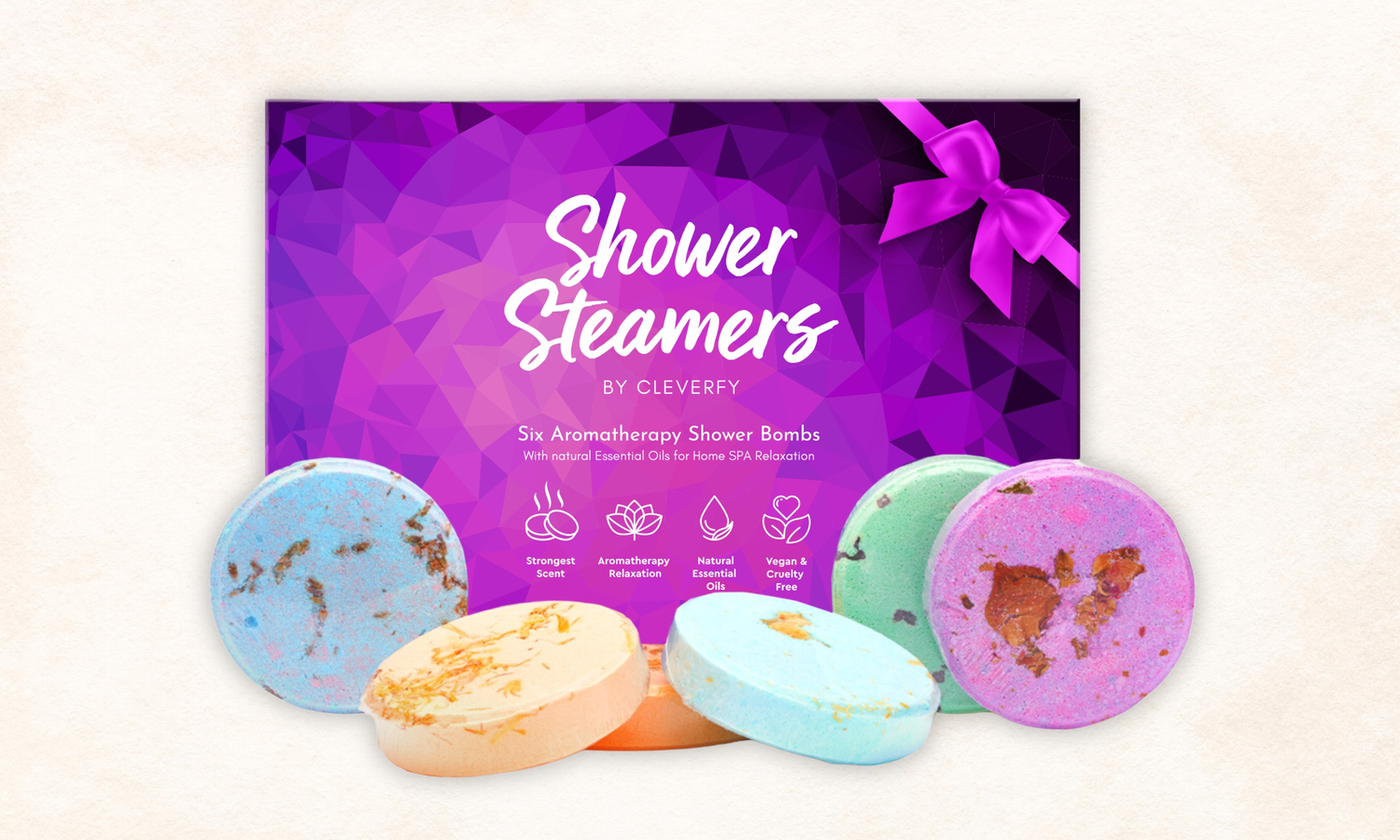
Consumables win. A shower steamer set, a tea sampler, or a small care item disappears into use instead of becoming a thing to store. That matters in a profession where desks are crowded and break time is limited.
If you want one wellness example that fits the low-clutter rule, the Cleverfy Purple Gift Set of 6 Shower Steamers is a 6-tablet shower steamer set with essential oils, packaged as a gift set, with scents including Lavender, Watermelon & Vanilla, Grapefruit & Coconut, Menthol & Eucalyptus, Orange, and Peppermint. It's a straightforward example of the kind of gift that can fit a busy routine without adding classroom clutter.
If the teacher has to move it, store it, or explain it, the gift is already asking too much.
Use DIY for sentiment. Use store-bought for reliability. Mix both only when the child-made piece is strong and the purchased item is still simple.
Wellness and Self-Care Gifts Teachers Genuinely Use
Teachers keep saying the same thing in different ways. They want gifts that help them recover, reset, or enjoy a quiet minute without creating more clutter. Wellness and self-care gifts work because they are compact, usable, and easy to tuck into a real routine.
Choose items that disappear into a routine
The smartest self-care gifts are the ones someone can use on an ordinary Tuesday. Shower steamers, bath products, herbal tea, cozy socks, and eye masks all fit that pattern. They do not need shelf space for long, and they do not force the teacher to decide where to put them.
Shower steamers are especially smart for teachers because they fit into a routine that already exists. Here are 3 ways shower steamers can help teachers recharge. No extra scheduling, no special equipment, no bathtub required. They are also a cleaner fit than a candle when you want a scent-forward gift without adding flame or open wax.
For a teacher who likes low-fuss self-care, aromatherapy shower steamers make sense, especially when the scents are bundled and gift-ready. A set with multiple scent profiles is easier to buy for a class than a single-fragrance item. It gives the teacher choice without making the parent guess too hard.
Quick wellness shortlist
- Shower steamers: Good for teachers who want a quick reset after school.
- Tea or drink-focused gifts: Better when the teacher has mentioned a favorite routine.
- Cozy accessories: Useful if you know the teacher likes comfort items and not desk clutter.
- Gift cards tied to self-care: Best when you want flexibility and zero waste.
A fragrance-sensitive classroom environment still matters, so keep wellness gifts personal rather than classroom-wide unless you know the teacher is comfortable with scent. The gift should feel like relief, not another obligation.
Consumable beats decorative almost every time in this category.
Your Quick Teacher Gift Decision Checklist

Use this when the signup sheet lands and you don't want to overthink it.
-
What's the occasion?
Holiday, appreciation week, end-of-year, or milestone. The more formal the moment, the simpler the gift should be. -
What's your budget?
Under $10 means small and personal. $10 to $25 is the sweet spot for most family gifts. $25 to $50 works best when several families contribute. -
Personal or group?
Personal gifts should stay modest and thoughtful. Group gifts can be more useful, but they need one coordinator and one clear plan.
If you're still unsure, default to this combo. A handwritten note, a consumable item, or a choice-preserving gift card. That formula stays safe because it respects the teacher's time, space, and preferences.
The biggest mistake is acting like every teacher wants the same thing. They don't. Some want a note. Some want a gift card. Some want a practical self-care item they'll use at home. The right answer is the one that fits the person, not the Pinterest board.
If you want teacher gifts that feel useful instead of generic, take a look at Cleverfy Beauty. Their shower steamer sets fit the kind of low-clutter, gift-ready self-care that works well for teachers, especially when you want something simple, practical, and easy to hand over with a handwritten note.

