

Personal Growth Guide to Build Habits That Last
You probably know the feeling. Monday begins with energy, maybe a new notebook, a tidier morning routine, and a promise that this time things will stick. By Thursday, the alarm still rings, but the clear intention from Monday has gone quiet, and the day slips into old habits before breakfast.
That gap between motivation and follow-through is where personal growth often gets misunderstood. The problem is usually not a lack of willpower. People usually need a better setup, one built around small cues, repeatable actions, and realistic resets so growth fits an ordinary day instead of fighting it.
Growth works like closing the distance between what you mean to do and what your environment makes easy to do. When routines are tied to stable triggers, effort feels lighter, which is why cue-based habits matter so much, especially when stress is already high. If you want a plain-language look at how stress affects the body and daily functioning, this explanation of stress and the mind-body connection is a helpful companion.
That is also why personal growth is not just about productivity. It is about resilience, mood regulation, and the small recovery moments that keep you steady when life gets messy. A short walk, a shower reset, or five quiet minutes with no input can do more than another goal list when your system feels overloaded. Those sensory reset moments create enough calm to make the next good choice feel possible.
Read on, and you'll get a clearer definition of growth, a practical map of the main areas it touches, evidence-based ways to build habits, and a calmer way to measure progress without quitting too early.
Table of Contents
- What Personal Growth Really Means and Why It Matters Now
- The Five Core Areas That Shape Lasting Growth
- Evidence Based Frameworks and Daily Habits That Stick
- Common Barriers and How Sensory Micro Rituals Help You Reset
- How to Measure Progress Without Losing Motivation
- Putting It All Together Your Next 30 Days of Growth
What Personal Growth Really Means and Why It Matters Now
A plant does not grow because you pull on it. It grows when the soil is prepared, the watering is steady, and the conditions support it day after day. Personal growth works the same way, as intentional, ongoing development in your mindset, skills, and wellbeing.
That wider definition matters because growth is often mistaken for self-help hype or a productivity race. In practice, it is the quieter work of becoming steadier, more aware, and better able to respond well when life gets messy. A person can read the right advice and still stall if the daily setup is working against them.
The broader market also shows that this interest is not fading. The personal development market continues to expand, which suggests people are looking for ways to support change over time, not just chase motivation for a week. Analysts at Grand View Research report that the sector was valued at USD 51.0 billion in 2025 and is projected to reach USD 79.8 billion by 2033, reflecting steady demand rather than a passing trend.
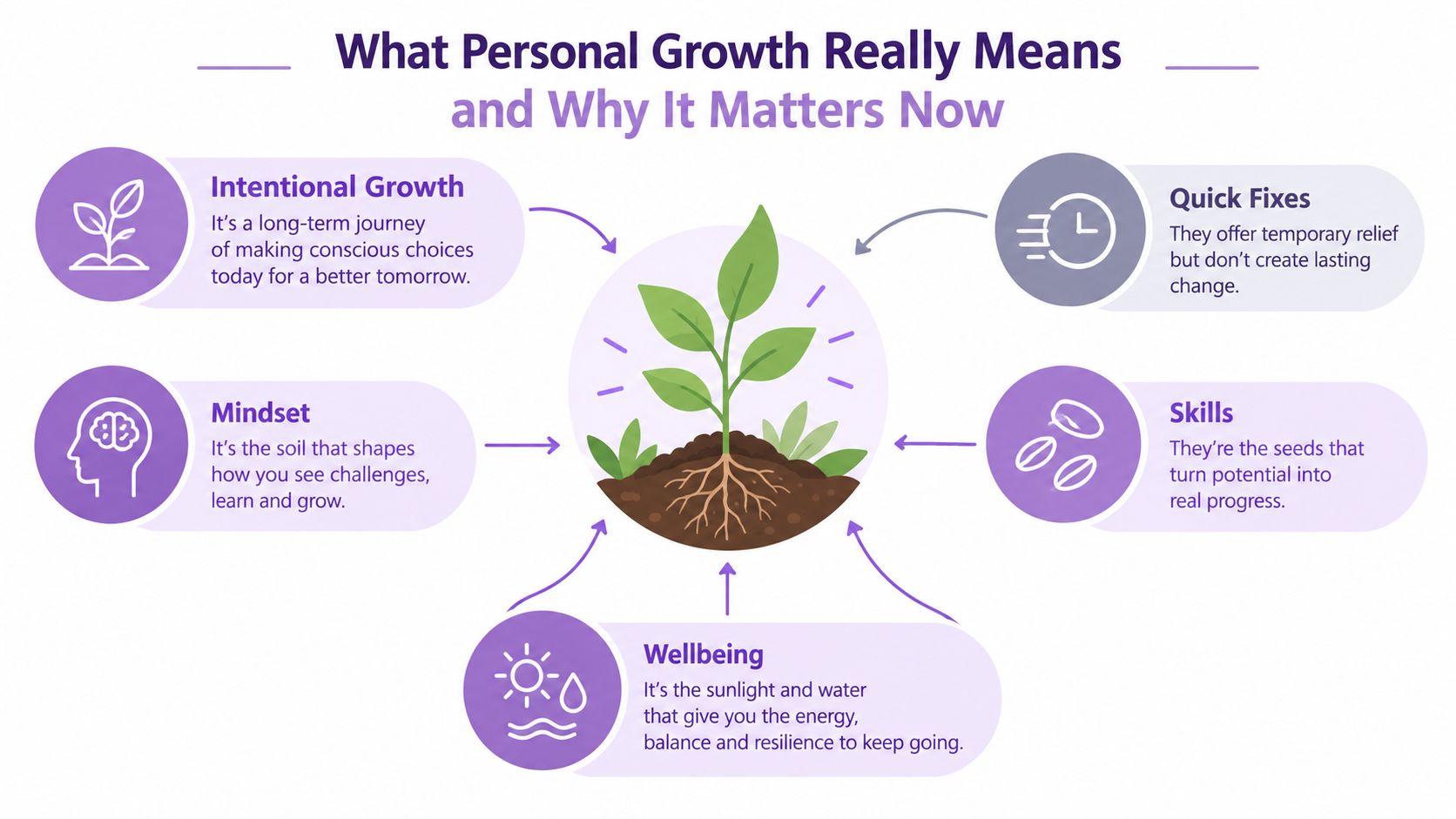
The practical side shows up in small routines. If you want to build emotional intelligence as part of that process, improve self-awareness and regulation is a useful guide, because it frames growth as noticing what is happening inside you and choosing a steadier response. That is a good fit for a wellness approach, since awareness without response rarely changes much.
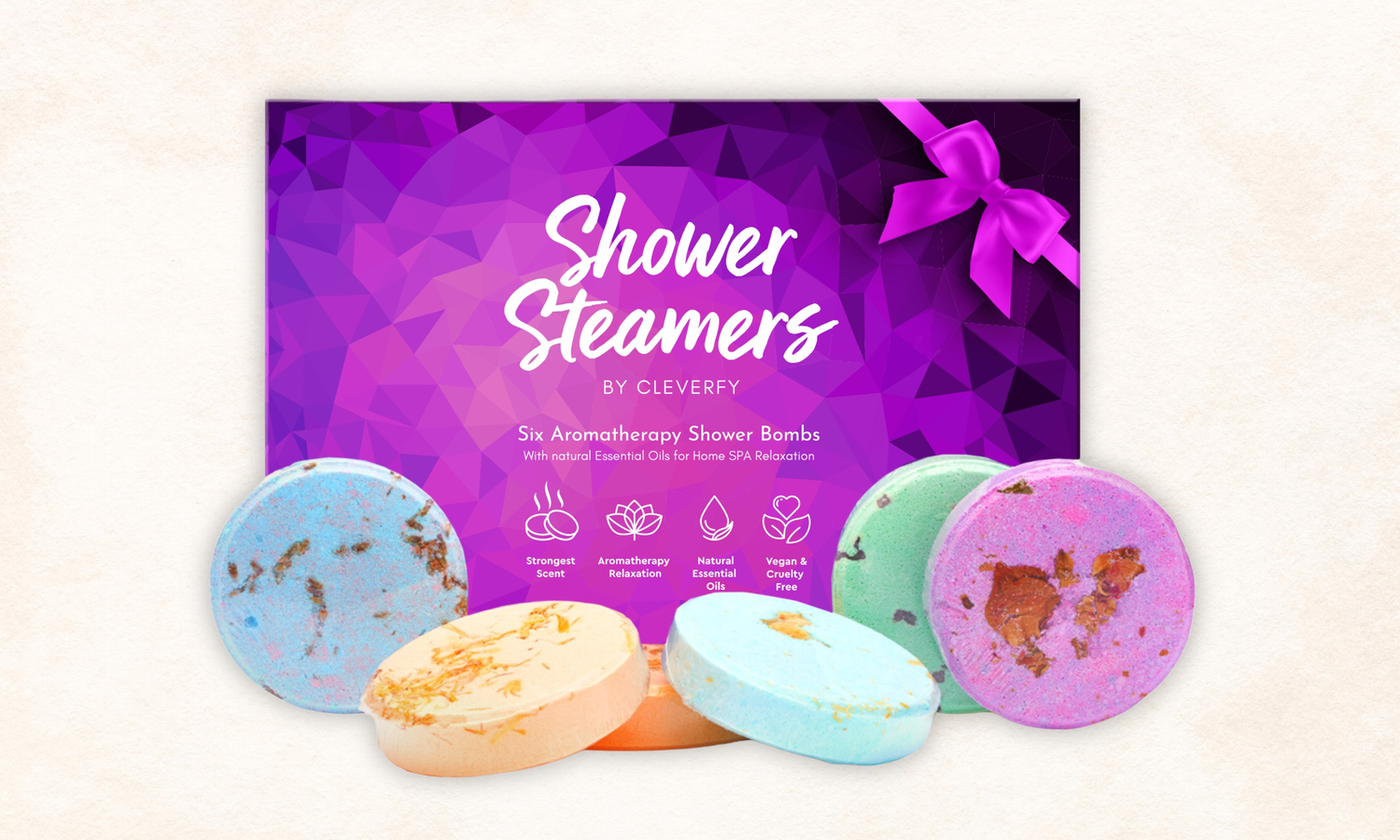
Routine-based support can also be sensory, not only mental. The Cleverfy Purple Gift Set of 6 Shower Steamers is a shower aromatherapy set with six essential-oil tablets, including scents like Lavender and Peppermint. Used as a cue, a shower like that can become a small reset point, the way a lamp signals it is time to read or a chair signals it is time to work.
That is why personal growth matters now. It is not only about doing more. It is about building resilience, protecting mood, and making the next good choice easier to repeat when your energy is low.
The Five Core Areas That Shape Lasting Growth
Growth gets easier to understand when you stop treating it like one giant goal. A better model is a pyramid, because each level supports the next. If the base wobbles, the layers above it ask for more effort than they should.
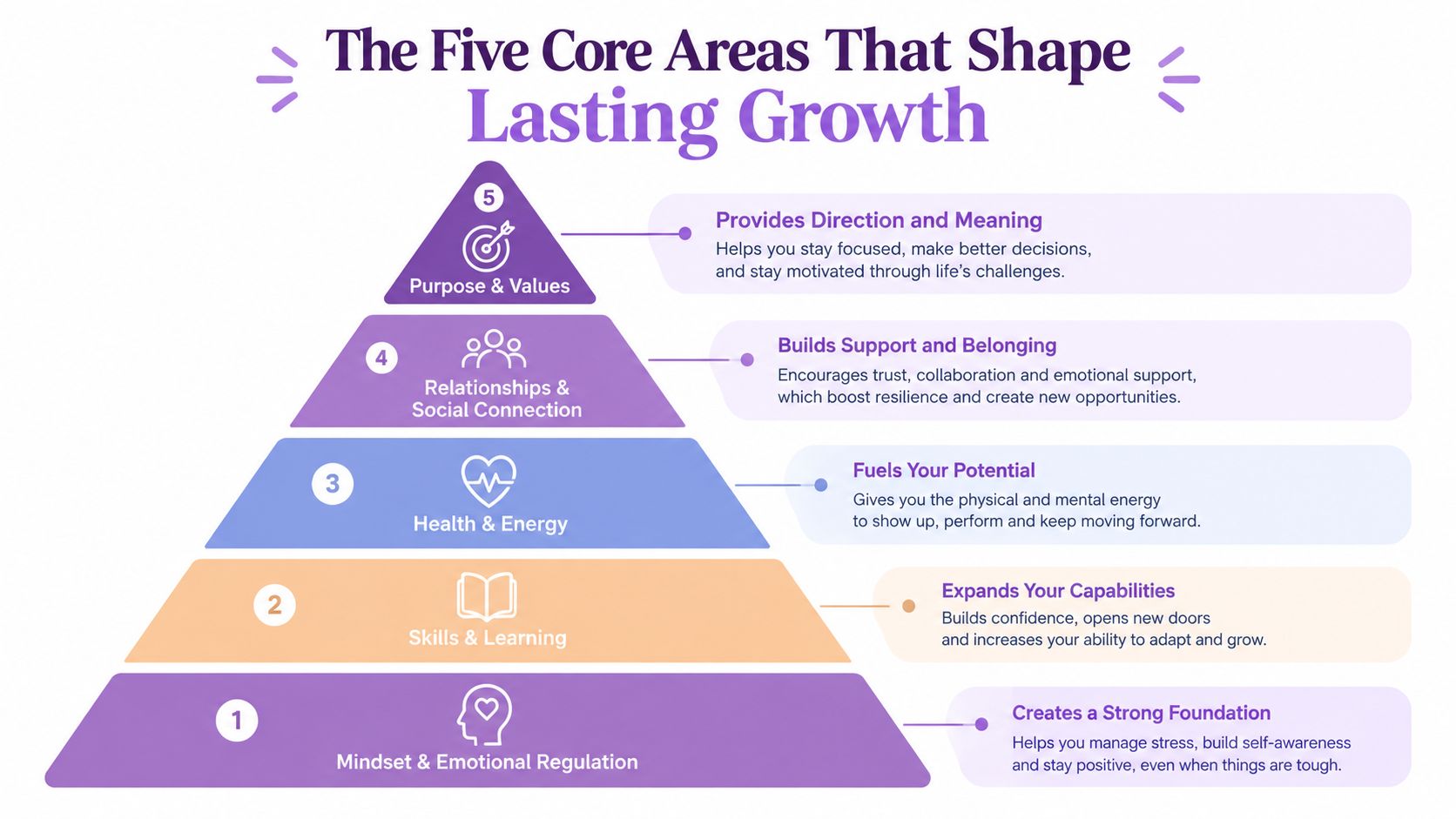
The base is mindset and emotional regulation. It helps you catch a spiral early, name what is happening, and choose the next response instead of reacting on autopilot. That pause may seem small, but it changes the rest of the day.
Above that sits skills and learning. Growth becomes visible in daily life because new skills change what you can do, not just how you feel about yourself. Learning to listen better, manage time more clearly, or speak up more calmly builds capacity in practical ways.
The next layer is health and energy, which includes sleep, movement, nutrition, and rest. If your energy is drained, even good intentions feel heavy. A plan that ignores recovery asks the body to carry more than it can comfortably hold.
The fourth layer is relationships and social connection. People do not grow in isolation, they grow in families, friendships, teams, and communities. Supportive connection can steady habits, while stressful relationships can drain attention and make new routines harder to keep.
At the top is purpose and values. This layer helps you decide what kind of person you want to be when life does not cooperate. It keeps growth from turning into a random stack of improvements that looks good on paper but feels empty in practice.
Growth is connected, not separate. A calmer mind supports learning, better energy supports relationships, and clearer values make the other layers easier to choose.
That is the part many people miss. You do not have to improve every area at once, but you do need to see how they affect one another. Some days, the best growth move is a new habit. Other days, it is a sensory reset, a shower, a breath, or a quiet pause that helps your mood settle so the next choice feels possible.
Evidence Based Frameworks and Daily Habits That Stick
The habits that last usually look ordinary. They begin with a small action, happen in the same context, and ask less of your willpower than a fresh decision each day. Habit research shows that behavior becomes more automatic when it repeats in a stable setting, because environmental cues start to prompt the action with less conscious effort, which lowers cognitive load (PMC study).
That is why “after I wake up” works better than “sometime in the morning.” “After I brush my teeth” is clearer than “before I get ready.” The cue carries part of the load.
Anchor the habit to a trigger
Choose a trigger that already exists, then attach one tiny action to it. After you turn off your alarm, take three slow breaths. After you open your laptop, write down your top task. After dinner, put your phone in another room for ten minutes.
Simple rule: Do not build a habit from scratch if you can attach it to something you already do.
Clear goals help, too. Meta-analytic evidence shows that specific, difficult goals improve performance more than nonspecific goals, with a large effect size for specific difficult goals (d = 0.80) and an overall goal effect of d = 0.56 (PubMed). In everyday terms, “be healthier” is weaker than “walk after lunch three days this week” or “read ten pages before bed.”
If you want a practical walkthrough of turning goals into coaching conversations, Coaching goal setting with Coachful keeps the focus on clarity instead of hype. The same logic applies to habit stacking for self-care, where a new action sits beside a routine you already trust.
Use micro habits that fit real life
- Morning reset: After waking, sit on the edge of the bed and choose the one thing that matters first.
- Workday cue: When you open your inbox, write one sentence before you answer messages.
- Evening close: After you wash your face or shower, place tomorrow's clothes somewhere visible.
Check the fit: If the habit takes more than a few minutes or depends on perfect conditions, shrink it again.
A habit also has to survive a bad week. If the trigger stops working, keep the same tiny action and move it to a cue that shows up more reliably, or use a sensory reset first so your mood is settled enough to begin. That is often the difference between a plan that looks good and a routine that sticks.
Common Barriers and How Sensory Micro Rituals Help You Reset
A hard week can make every self-improvement plan feel too heavy. The barriers are usually stress, low energy, time scarcity, and habit slip after the first burst of enthusiasm. When the day is crowded or emotionally loaded, one more productivity system can feel like another task to fail at.
Research on the personal development market shows rising interest in mental health and mindfulness, along with more demand for AI-driven personalization and hybrid, digitally delivered support (Mordor Intelligence). That shift fits daily life. Growth is increasingly about recovery and resilience, not just getting more done.

When a reset works better than a goal
Some moments call for a smaller move. You do not need a fresh target first. You need your nervous system calm enough to take the next step.
A sensory micro ritual can do that. Scent, warm water, and a predictable sequence give the brain a clear cue that the moment has changed. It works like a doorframe between states, from tense to ready, from scattered to settled.
A shower is a simple place to start. If you use a shower aromatherapy tablet as part of an existing routine, there is no extra planning layer to manage. The shower becomes a cue for downshifting, which can make starting feel less forced. For a practical example of how small routines support personal growth routines, this kind of reset keeps the focus on repeatable action.
Limiting beliefs can block the reset
A common roadblock is the story people tell themselves after a slip. Thoughts like “I always fall off track” can sound accurate, but they usually reflect a temporary state, not a permanent identity. Those thoughts make a smaller reset feel pointless before it even begins.
A better move is to find limiting belief reframes for your identity. That kind of reframe matters most on tired days, when self-talk gets sharper and the mind starts treating one bad stretch as a fixed pattern.
Choose a reset that matches the moment
- When you feel flooded: use a brief sensory reset before you problem-solve.
- When you feel flat: use a cue that marks a clean transition into the next task.
- When you feel scattered: return to one repeatable ritual instead of redesigning your whole day.
Different states need different support. Flooded needs settling. Flat needs a signal to begin. Scattered needs fewer decisions, not more willpower.
That is why a short ritual can help when goal-setting alone does not. It gives the body a reliable cue, and the body often leads the mind. When the nervous system is steadier, the next habit feels possible without forcing it.
How to Measure Progress Without Losing Motivation
A hard day can make growth feel invisible. That is why measurement has to fit the change you are trying to make. Some progress shows up in repeated actions, some in a steadier mood, and some in results you can count.
Here's a simple way to choose.
| Tracking Method | Effort Level | Best For | Feedback Speed |
|---|---|---|---|
| Habit streaks | Low | Repeated actions like reading, stretching, or journaling | Fast |
| Weekly reviews | Medium | Goals that need reflection and adjustment | Moderate |
| Journaling prompts | Low to medium | Emotional clarity, mood support, self-awareness | Moderate |
| Outcome metrics | Medium | Clear goals with visible results | Slower, but concrete |
Habit streaks work well for cue-based routines. Weekly reviews help when you need to notice patterns and adjust the plan. Journaling prompts give shape to feelings that are hard to name. Outcome metrics matter when the goal has a clear visible result. Each method tracks a different kind of progress, like using different tools for different repairs.
The median time to form a habit is 66 days, with a wide range from 18 to 254 days, which is a good reminder that personal growth often takes longer than enthusiasm does (Quantumrun). That spread helps explain why people stop early. They expect a routine to feel automatic before it has had time to settle.
A weekly check-in keeps the process clear. Review what you did, where you slipped, and which cue helped most. If a goal feels too large, shrink the action but keep the same trigger so the routine still feels familiar.
Track the process first, then the outcome. If you can't repeat the action, the result usually won't hold.
Use your notes as feedback, not a verdict. If you missed the habit three days in a row, that does not prove failure. It may mean the cue was too weak, the task was too big, or the timing did not match your real day.
Measurement should build steadiness. When you can see a pattern, you can adjust it with less guesswork.
Putting It All Together Your Next 30 Days of Growth
A strong month of growth does not need a giant overhaul. It needs one clear focus, one repeatable cue, and one way to check what is changing. That gives your efforts a shape you can follow.
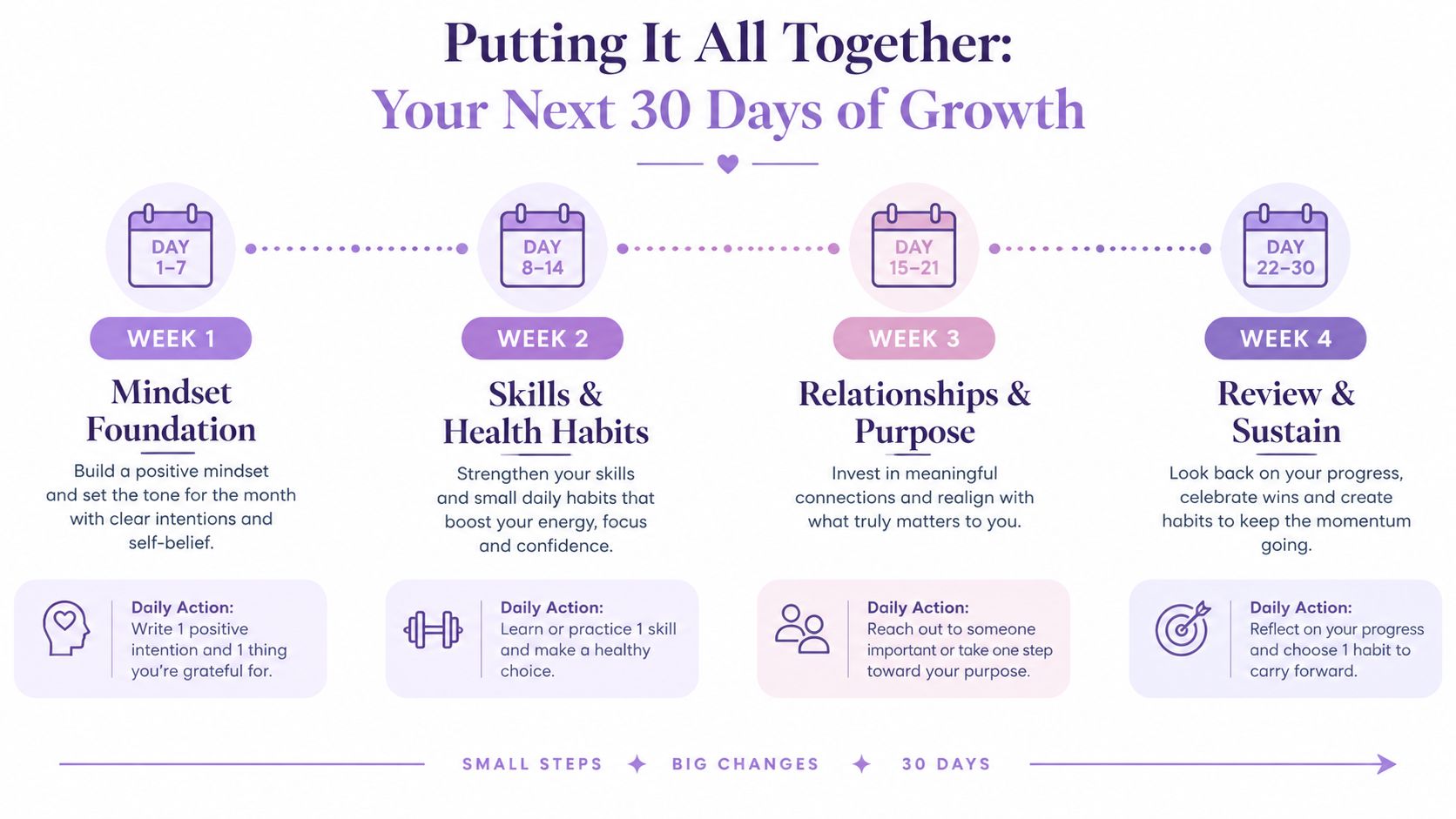
A simple 4-week rhythm keeps the plan manageable. Week 1 builds a mindset base with one short pause or reflection each day. Week 2 adds one skill habit and one health habit, both attached to steady cues. Week 3 turns toward relationships and purpose, maybe through one intentional conversation or a values check-in. Week 4 is for review, not judgment, so you can see what held and what needs to be smaller or easier.
Keep the month focused on one clear target you can describe in plain language. Make it specific enough that you know what success looks like, but small enough that you can still repeat it when your energy dips. One or two goals are enough. A crowded plan often turns into a noisy one.
The larger lesson is simple. Personal growth is not a finish line. It is a practice of tuning your cues, choosing better defaults, and building steadier mood and resilience through small daily actions.
If you want to support the next 30 days, visit Cleverfy Beauty for aromatherapy shower steamers and other routine-friendly wellness items that can turn an evening shower into a clear end-of-workday reset. A shower steamer can become the cue that says the day is done, the pace can drop, and your next good choice can start from a calmer place.

