

10 Back-to-School Self-Care Tips for Busy Parents
Share
School mornings hit hard fast. One minute you're looking for a missing sneaker, the next you're answering a teacher message, packing a lunch, and trying not to snap before coffee. Back-to-school self-care has to work inside that reality, which is why the best ideas are the ones you can fold into routines you already have.
The pressure is real. One cited report says the average parent spends more than 30 hours per week on school-related logistics, while children average 11.5 activities per week and parents receive about 17.5 communications per week about them, so rest has to be brief and repeatable, not elaborate. Another source highlighted by Parents says 60% of parents were driven to tears by back-to-school stress, and respondents spent 17 hours per week coordinating family schedules and logistics, so this season asks for practical calm, not perfect wellness.
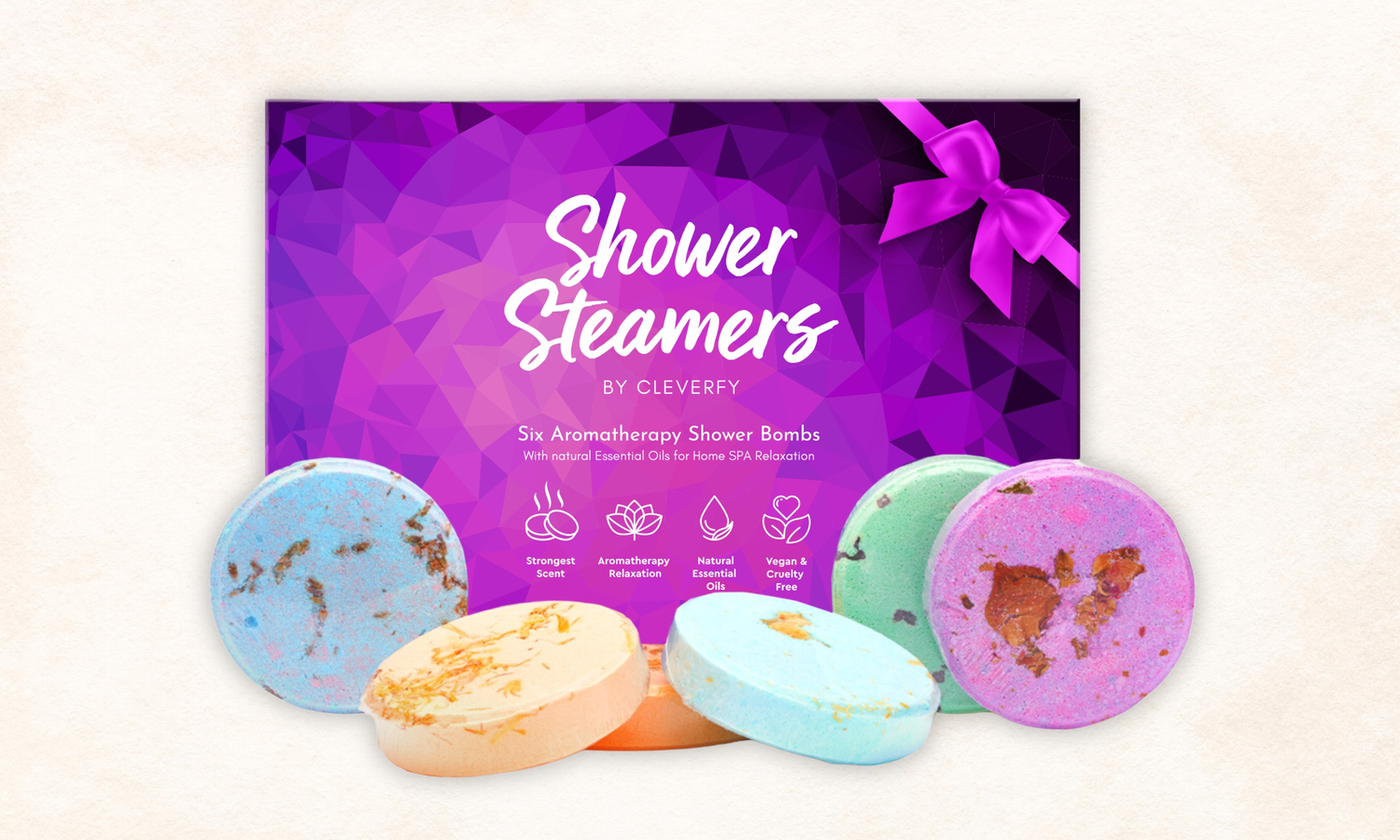
That's where shower steamers fit beautifully. A shower is already part of many parents' day, so aromatherapy can turn that existing window into a reset without adding another task to your list. If you're looking for 10 Back-to-School Self-Care Tips for Busy Parents, start with the ones that fit into five minutes, not fifty.
Table of Contents
- 1. Integrate Aromatherapy Into Your Daily Shower Routine
- 2. Create a 5-Minute Daily Self-Care Ritual You Actually Stick With
- 3. Use Scent-Based Mood Regulation and Mindful Breathing
- 4. Establish Boundaries Between Work and Parenting and Personal Time
- 5. Invest in Gift-Ready Wellness Sets for Strategic Self-Care Gifting
- 6. Create a Personal Wellness Space Even If It's Just Your Bathroom
- 7. Build Consistency Through Habit Stacking With Existing Routines
- 8. Practice Seasonal Self-Care Adjustments Based on Energy and Needs
- 9. Use Aromatherapy as a Tool for Managing Specific Parenting Challenges
- 10. Model and Teach Self-Care to Your Children Through Aromatherapy
- Back-to-School Self-Care: 10-Point Comparison
- Your Sustainable Self-Care Plan for Parenthood
1. Integrate Aromatherapy Into Your Daily Shower Routine
A shower steamer works best when it fits into the shower you already take. Busy parents usually do not need another wellness habit to manage. They need the minutes already spent rinsing off to feel a little more restorative.
Place the tablet on the shower floor away from direct spray so it can release scent gradually. Morning showers pair well with brighter, more energizing scents, while evening showers usually feel better with calmer notes. If you want a ready-made option to keep in the bathroom cabinet, Cleverfy MintMix Megapack of 18 Shower Steamers is a factual fit here, since the product snapshot says it contains 18 tablets, uses pure essential oils, and includes Menthol & Eucalyptus.
Practical rule: if the steamer takes extra setup, it stops being sustainable. Keep it where you can reach it, use it in the shower you already take, and let the scent do the work.
The trade-off is simple. Shower steamers will not create a long spa session, and they are not meant to. They are useful because they work within the time pressure parents already face, which is why shower-based aromatherapy fits back-to-school season so well.
Morning and evening uses that fit real schedules
- Before drop-off: use a bright scent to feel more awake before the school rush.
- After bedtime: switch to a calmer scent to help your body unwind after coordinating dinner, homework, and messages.
- On high-friction days: keep one packet visible so you do not have to search for it when you are already tired.
For a few scent ideas that work well in short routines, see this guide to mood-boosting shower steamer scents.
2. Create a 5-Minute Daily Self-Care Ritual You Actually Stick With
A good self-care routine for parents has to be short enough that your brain won't negotiate with it. The most useful version is often just five minutes, repeated at the same point in the day, so it becomes part of the rhythm rather than another thing to remember.
The strongest routines are the ones tied to a clear cue. Maybe it's your morning shower before everyone wakes up, maybe it's the first quiet moment after bedtime, or maybe it's the transition between work and home. A five-minute ritual becomes more realistic when you decide in advance what it is, when it happens, and what you're not allowed to do during it.
Small and repeatable beats ambitious and occasional. A parent who uses the same short ritual every day usually gets more recovery than someone who keeps waiting for a free hour that never arrives.
If your ritual includes a shower steamer, pair it with one tiny intention, like “start calm,” “end the day,” or “let this be my reset.” That turns the shower from a task into a marker for your own care. A calendar reminder can help in the beginning, but the key win is consistency, not perfection.
Try one ritual first. Don't stack breathing exercises, journaling, stretches, and a skincare routine all at once. The less you ask of yourself, the more likely you are to keep going when school calendars, carpools, and late emails start piling up.
3. Use Scent-Based Mood Regulation and Mindful Breathing
Scent is useful because it can change the feel of a moment without requiring a lot of mental effort. In a season where parents are constantly switching roles, that matters. A citrus or peppermint shower before the morning scramble can help the day feel more active, while lavender or chamomile at night can support a gentler landing.
The key is to pair scent with breath, not to treat aromatherapy like magic. Slow breathing while the steam rises gives your body a clearer signal that the pace is changing. If you're overwhelmed, you don't need a long meditation. Three conscious breaths in a shower can be enough to interrupt the mental pileup.
This guide on scents that boost mood and make you happy is helpful if you want a simple way to match scent to mood without overcomplicating the routine. Use it as a practical reference, not a new project.
You can also rotate scents so they stay noticeable. When the same aroma becomes too familiar, it can fade into the background, which makes the reset feel weaker. A simple scent chart, even a handwritten note on the bathroom mirror, can help you remember which scent works best before meetings, after an argument, or before bed.
A simple breath pairing
- In the morning: inhale for a count of four, exhale for a count of six.
- During stress: pause long enough for three slow breaths.
- At night: keep your shoulders soft and let the shower steam do part of the work.
4. Establish Boundaries Between Work and Parenting and Personal Time
Back-to-school stress often feels endless because the roles blur together. You leave work thinking about pickup, then answer a school note, then jump straight into dinner, and the day never really closes. A short shower ritual can become a boundary that tells your nervous system one role is ending and another is beginning.
Use the same scent for the same transition when you can. That repetition helps your brain build an association, which is useful when you don't have time for a full wind-down. A parent who showers after work before greeting the family may feel more present at home. A parent who showers after bedtime may feel less like they're carrying the whole evening into sleep.
This boundary works best when other people can see it. Say, “This is my 10-minute refresh time,” and protect it the way you'd protect a meeting.
The trade-off is that boundaries feel awkward at first, especially in homes where everyone is used to the parent being available on demand. But a visible reset is often easier for families to respect than a vague request for “more space.” Keep the phone out of reach if you can, lock the bathroom door if that helps, and use the steam as a signal to stop carrying the previous task into the next one.
The point isn't to separate yourself from your family. It's to give yourself enough transition time that you can show up without running on fumes.
5. Invest in Gift-Ready Wellness Sets for Strategic Self-Care Gifting
Self-care gets easier when the people around you are not all starting from zero. Thoughtful gifting can lower the effort for someone else and also normalize the idea that parents, partners, teens, and friends deserve small resets too.
A wellness set removes decision fatigue. Instead of asking someone to build a routine from scratch, you hand them something they can use right away. That's one reason curated steamers make sense as gifts for a partner, a friend going through a hard season, or a teen who needs a low-pressure way to decompress after school.
The ultimate gift guide for friends, family, and colleagues is a useful place to start if you want to match the gift to the person rather than guessing. A small set works for acquaintances, while a larger pack makes sense when you want the recipient to have more ongoing use.
The best gifts come with a note about why you chose them. Keep it simple, practical, and warm. Explain how to use the steamers, mention a good time of day, and let the recipient know the gift is meant to support their actual routine, not add pressure.
- For a partner: choose a scent profile that fits a shared evening reset.
- For a teen: give them autonomy by letting them pick the scent they want to try first.
- For a friend: include a note that says they don't need to earn the break.
6. Create a Personal Wellness Space Even If It's Just Your Bathroom
A wellness space doesn't need to be a spare room, a bench, or a perfect shelf styled for social media. For a busy parent, it can be the bathroom corner where your shower steamers live. The goal is to make one spot feel like a pause instead of another family staging area.
Start small. Put the steamers in a container you like looking at, clear off the clutter you keep ignoring, and keep one or two scent options visible. If the space is crowded with work papers, random toiletries, and everyone else's stuff, it never really feels like yours.
The bathroom works because it's already tied to routine and privacy. Add one sensory element at a time, maybe softer lighting, cleaner storage, or a scent you associate with calm. If your family keeps barging in, set the expectation that this is a phone-free, work-free zone during your reset.
Here's the part that matters most. A personal wellness space only works if it stays easy to use. If you have to rearrange half the house to get to it, you'll stop using it when the week gets busy.
A short visual reset can make a difference too, which is why the next item in the list matters so much.
7. Build Consistency Through Habit Stacking With Existing Routines
Habit stacking is one of the easiest ways to make self-care feel automatic. You attach the new behavior to something you already do every day, so your brain doesn't have to create a new decision point. For parents, that usually means linking aromatherapy to the shower you already take, the bedtime routine you already manage, or the transition you already need between work and home.
Start by naming two or three routines that almost never disappear, even during chaos. Morning shower, evening shower, and the first few minutes after arriving home are common anchors. Then place the steamer where you'll see it, not where you'll eventually remember it.
The power of self-care habit stacking is a helpful framing if you want a reminder that consistency matters more than intensity. The goal is to make the habit feel so normal that skipping it takes more effort than doing it.
If a habit requires motivation every single day, it's too fragile for the back-to-school season.
One simple stack can look like this. Wake up, turn on the shower, place the steamer on the floor, and use those few minutes to breathe before the rest of the house wakes up. That's a cleaner strategy than trying to reinvent your whole morning.
- Choose one anchor: don't build three new habits at once.
- Reduce friction: keep the tablets visible and accessible.
- Repeat the same cue: the same routine cue makes the habit easier to remember.
8. Practice Seasonal Self-Care Adjustments Based on Energy and Needs
Parents don't need the same kind of self-care every month. School starts, weather shifts, holiday planning ramps up, and family energy changes with it. A good routine adjusts with those changes instead of fighting them.
That can mean choosing brighter scents when mornings feel sluggish and calmer scents when everyone is overloaded. It can also mean noticing when your bathroom ritual needs to become shorter, simpler, or more grounding. Seasonal self-care works because it respects what's really happening in the house.
If you track your energy loosely, you'll start to see patterns. Some weeks call for focus and momentum, while others call for recovery and softness. You don't need a complicated journal. A few notes about which scent helped on which kind of day is enough to guide the next choice.
The trade-off is that too much experimentation can become another chore. Keep the adjustment process light. Pick a scent direction at the start of a new season, then let the routine stay stable until your needs change again.
A thoughtful seasonal shift can also make family routines easier. If the household knows your shower now serves as your evening downshift, they're more likely to respect it. That kind of predictability helps everyone.
9. Use Aromatherapy as a Tool for Managing Specific Parenting Challenges
The most useful self-care routines are the ones that solve a real problem in real time. Morning sluggishness, after-school tension, bedtime resistance, and work stress all call for different responses. That's why it helps to think in terms of a scent toolkit rather than a one-size-fits-all ritual.
Make a short list of the situations that repeat most often in your house. Maybe you need help waking up, maybe you need help recovering after a hard conversation, or maybe you need something calming before school paperwork and emails take over the evening. Then assign one scent or one shower ritual to each challenge.
Use the scent before the challenge, not only after it. That preemptive step is often more effective because it helps you meet the moment with a steadier baseline. It also means you're not trying to calm yourself down after the stress has already hit full force.
A family version of this can be surprisingly useful. Children can learn that certain scents or quiet shower moments signal a reset, which gives them a language for regulation that doesn't rely on a lecture. Keep the system simple, and keep refining it as your family changes.
When your stress patterns are predictable, your self-care can be too. That's what makes it practical.
10. Model and Teach Self-Care to Your Children Through Aromatherapy
Kids notice what parents do far more than what parents say. When they see you take a short, visible reset instead of pushing through exhaustion, they learn that well-being belongs in ordinary life. That matters because it turns self-care into a household norm instead of a hidden luxury.
Use simple language. Say that certain scents help you feel calmer, more awake, or ready to rest. Let children ask questions, and keep the explanation age-appropriate rather than overly clinical. The goal is to show emotional regulation as a normal skill, not as a special event.
You can also invite children into the process without handing over your own routine. Let them choose scents they like, help create a simple emotion-and-scent chart, or understand that your shower time is your quiet reset. If a teen wants their own age-appropriate set, that can be a respectful way to support autonomy.
The best part is that this reduces guilt. When self-care is modeled openly, it doesn't compete with parenting, it supports it. Your children see that caring for yourself is part of how a family stays steady.
That lesson lasts longer than a single school year. It shapes how they handle stress later, too.
Back-to-School Self-Care: 10-Point Comparison
| Item | Implementation Complexity 🔄 | Resource Requirements ⚡ | Expected Outcomes 📊 | Ideal Use Cases 💡 | Key Advantages ⭐ |
|---|---|---|---|---|---|
| Integrate Aromatherapy Into Your Daily Shower Routine | Low, plug-and-play during existing showers | Low, shower steamers, water; no extra equipment | Short-term sensory benefits: relaxation or invigoration | Parents with established shower habits wanting quick self-care | Highly accessible, low-cost, minimal time commitment |
| Create a 5-Minute Daily Self-Care Ritual You Actually Stick With | Low–Medium, requires initial habit formation | Low, timer + chosen steamer or breathing cue | Habit formation over weeks; improved mood/consistency | Extremely busy schedules needing a realistic practice | Achievable, builds routine, sustainable long-term |
| Use Scent-Based Mood Regulation and Mindful Breathing | Medium, learning breath techniques + scent mapping | Low, variety of scents; time for practice | Rapid mood shifts; improved emotional regulation 📊 | When immediate stress relief or focus is needed | Scientifically grounded, versatile, teachable to kids |
| Establish Boundaries Between Work/Parenting and Personal Time | Medium, consistent ritual and communication | Low–Medium, steamers + protected time | Reduced burnout; clearer role transitions; better recovery | Transition moments (post-work, bedtime) for mental reset | Strengthens resilience and models healthy boundaries |
| Invest in Gift-Ready Wellness Sets for Strategic Self-Care Gifting | Low, purchase & present; some recipient research | Medium, themed multi-packs; packaging | Increased social support for self-care; encourages use | Gifts for family, teachers, friends to promote wellness | Removes decision fatigue for recipients; fosters community |
| Create a Personal Wellness Space (Even If It's Just Your Bathroom) | Medium, organization and minor decor changes | Low–Medium, steamers, storage, lighting, small decor | Consistent, accessible retreat that invites regular use | Homes where leaving isn't feasible but a dedicated spot helps | Cost-effective sanctuary; scalable improvements over time |
| Build Consistency Through Habit Stacking With Existing Routines | Medium, planning to identify anchors and link actions | Low, steamers visible + minimal cues (notes/timer) | High long-term adherence; habits become automatic | Anchoring to non-negotiable routines (shower, bedtime) | Maximizes consistency with minimal extra time required |
| Practice Seasonal Self-Care Adjustments Based on Energy and Needs | Medium, planning scent rotations and tracking patterns | Medium, multiple scent sets for seasonal rotation | Sustained engagement; better alignment with seasonal mood | Seasonal transitions, back-to-school, holidays | Prevents scent fatigue; keeps practice relevant and motivating |
| Use Aromatherapy as a Tool for Managing Specific Parenting Challenges | Medium, identify situations and test scent-match strategies | Low–Medium, curated scent toolkit for scenarios | Targeted relief for concrete challenges; increased parental efficacy | Morning sluggishness, meltdowns, bedtime resistance, anxiety | Highly practical, situation-specific, empowers proactive coping |
| Model and Teach Self-Care to Your Children Through Aromatherapy | Medium, age-appropriate instruction and supervision | Low, child-safe scents, charts, small sets | Improved child coping skills; family wellness norms | Families seeking to normalize emotion regulation & self-care | Builds resilience in children and reduces parental guilt |
Your Sustainable Self-Care Plan for Parenthood
Back-to-school season will always be demanding, but your response to it can be steadier. The shift happens when you stop treating self-care like an extra project and start building it into the routines you already have. That's why shower steamers, short breathing breaks, and repeatable five-minute rituals work so well for busy parents, they fit the life you're already living.
The most practical plan is also the simplest. Choose one tip, one scent, and one predictable moment in the day, then repeat it until it feels natural. If you need structure, begin with a morning shower reset or an evening wind-down, because those are the moments when a sensory cue can do real work without adding to your schedule.
This approach aligns with what parents are experiencing. When school coordination takes over much of the week, as noted in the cited parent workload data, self-care has to be brief, reliable, and easy to protect. A shower-based aromatherapy ritual does exactly that, it turns a necessary part of the day into a small recovery window.
You do not need a perfect routine to feel better. You need a sustainable one, and sustainable usually means short, repeatable, and kind to your energy. Keep it practical, keep it sensory, and let your bathroom become the place where the day softens instead of the place where it all gets louder.
Cleverfy Beauty focuses on aromatherapy shower steamers that release essential-oil scent in the shower, which makes them a practical fit for short back-to-school resets. If you want to try a simple shower-based routine or send a wellness gift that's easy to use, visit Cleverfy Beauty and choose a scent that fits your morning or evening rhythm.

